

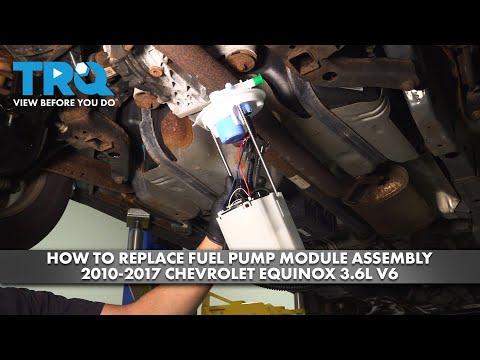






How to Replace the Fuel Pump on a 2019 Chevrolet Equinox
Step-by-step fuel pump module replacement with tools, safety tips, and torque specs for 2018, 2019, 2020, 2021
How to Replace the Fuel Pump on a 2019 Chevrolet Equinox
Step-by-step fuel pump module replacement with tools, safety tips, and torque specs for 2018, 2019, 2020, 2021


🔧 Fuel Pump - Replacement
The fuel pump on your Equinox is the in-tank fuel pump module, so replacement usually means relieving fuel pressure, lowering the fuel tank, and swapping the module assembly. This is a fuel-system repair with fire risk, so work slowly and keep sparks, cigarettes, and hot lights away.
Difficulty Level: Advanced | Estimated Time: 3-5 hours
⚠️ Safety & Precautions
- Fuel is highly flammable. Work outside or in a very well-ventilated area.
- Disconnect the negative battery cable before opening the fuel system.
- Relieve fuel pressure before disconnecting any fuel line.
- Keep a class B fire extinguisher nearby.
- Do not use incandescent work lights near fuel vapors.
- Use jack stands. Never rely on a jack alone.
- Wear safety glasses and fuel-resistant gloves.
🔧 Required Tools
You'll need the following tools for this repair:
- Safety glasses
- Nitrile gloves
- Fuel-safe gloves
- Floor jack (rated 3-ton minimum)
- Jack stands (rated 3-ton minimum)
- Wheel chocks
- 10mm socket
- 13mm socket
- 15mm socket
- Ratchet
- Long extension
- Torque wrench
- Fuel line disconnect tool
- Flat-blade trim tool
- Brake cleaner
- Drain pan
- Shop towels
- Marker or paint pen
🔩 Required Parts
HowToo sells all the parts you need for this repair:
- Fuel pump module assembly - Qty: 1
- Fuel pump lock ring - Qty: 1
- Fuel pump seal / O-ring - Qty: 1
- Fuel line O-rings - Qty: 1 set
- Evaporative vent hose seal - Qty: 1
- Fuel - Qty: Refill tank as needed
📋 Before You Begin
- Park on level ground and set the parking brake.
- Run the fuel level low if possible. A lighter tank is much easier to lower.
- Disconnect the negative battery cable with a 10mm socket.
- Remove the fuel filler cap to help reduce pressure in the tank.
- Relieve fuel system pressure at the service point if equipped, or wait several minutes after key-off before disconnecting lines.
🔨 Step-by-Step Instructions
Follow these steps in order:
Step 1: Disconnect power and prepare the vehicle
- Use a 10mm socket to disconnect the negative battery cable.
- Block the front wheels with wheel chocks.
- Raise the rear of the vehicle with a floor jack (rated 3-ton minimum) and support it with jack stands (rated 3-ton minimum).
- Work with the tank as empty as possible.
Step 2: Remove shielding and access components
- Use a 13mm socket and 15mm socket to remove any fuel tank shield or underbody braces in the way.
- Keep the hardware in order so it goes back in the same spots.
Step 3: Disconnect fuel and vapor lines
- Use a fuel line disconnect tool to separate the fuel line from the module.
- Use a flat-blade trim tool if any retaining clips need gentle release.
- Disconnect the EVAP vent hose and any electrical connector to the fuel pump module.
- Cap or wrap open lines with shop towels to keep dirt out.
Step 4: Support and lower the fuel tank
- Place a floor jack (rated 3-ton minimum) with a wide support under the tank.
- Use a 15mm socket to remove the fuel tank strap bolts.
- Lower the tank slowly and check for any line or wire still attached.
- Disconnect anything still connected before lowering the tank fully.
Step 5: Remove the fuel pump module
- Clean the top of the tank with brake cleaner and shop towels so no dirt falls inside.
- Use a marker or paint pen to mark the module orientation.
- Use a fuel pump lock ring tool or a brass drift and hammer if needed to remove the lock ring.
- Lift the fuel pump module out carefully and angle the float arm through the opening.
Step 6: Install the new module
- Install the new fuel pump seal / O-ring on the tank opening.
- Lower the new fuel pump module assembly into the tank in the same orientation as the old one.
- Install the lock ring and tighten it to the manufacturer specification. If your service information is unavailable, do not overtighten; the ring must seat fully and evenly.
- Reconnect the electrical connector and EVAP vent hose.
Step 7: Raise the tank and reconnect everything
- Raise the tank with the floor jack (rated 3-ton minimum) until it is seated correctly.
- Use a 15mm socket to reinstall the tank strap bolts and tighten them evenly.
- Torque to 25 Nm (18 ft-lbs) for tank strap bolts unless your service data lists a different spec.
- Reconnect the fuel line with the fuel line disconnect tool if needed and make sure it clicks into place.
- Reinstall any shield or brace with the 13mm socket and 15mm socket.
Step 8: Restore power and prime the system
- Reconnect the negative battery cable with a 10mm socket.
- Turn the key to ON for 5 seconds, then OFF. Repeat this 3 times to prime the system.
- Check all fuel line connections and the top of the tank for leaks.
Step 9: Start and verify
- Start the engine and let it idle.
- Inspect again for leaks, fuel smell, or warning lights.
- Clear any fuel system codes with a scan tool if needed.
✅ After Repair
- Check for fuel leaks with the engine running and after shutdown.
- Make sure the fuel gauge reads correctly.
- Road test the vehicle and verify normal acceleration.
- If a check engine light returns, scan for fuel pressure or EVAP codes.
💰 DIY vs Shop Cost
Shop Cost: $900-$1,600 (parts + labor)
DIY Cost: $250-$700 (parts only)
You Save: $650-$900 by doing it yourself!
Shop labor rates vary but typically run $100-$150/hour. This repair takes a shop approximately 3-5 hours.
🎯 Ready to get started?
HowToo makes it easy: same-day/2-day shipping on every part, plus all the tools and specialty tools you need! Check out the parts and tools sections below to add everything to your cart.