F-150 - Fuel Pump Module Replacement ⛽
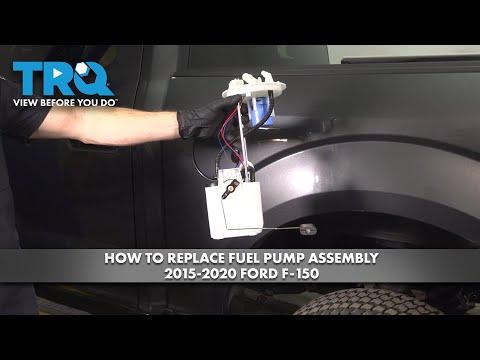
I’ll walk you through the OEM-style method: dropping the fuel tank and replacing the entire fuel pump module
Safety First ⚠️
- 🧯 No sparks or flames: Work outside or in a very well‑ventilated area. No smoking, no grinding, no open flame.
- 🔋 Disconnect the battery: Remove the negative (–) cable from the battery to avoid sparks.
- 🧤 Wear protection: Safety glasses and fuel‑resistant gloves. Gasoline is an irritant and very flammable.
- 🧪 Work with low fuel: Ideally less than 1/4 tank. A full tank is extremely heavy.
Tools & Supplies 🧰
- 🛠️ Floor jack and jack stands (to safely support the truck).
- 🛠️ Transmission jack or a second floor jack + wide wood board to support the fuel tank.
- 🛠️ Socket set:
- Common sizes: 8mm, 10mm, 13mm, 15mm sockets (metric) and ratchet.
- 🛠️ Fuel line quick‑disconnect tool set (plastic horseshoe‑shaped tools that release the fuel line clips).
- 🛠️ Fuel pump lock ring tool or brass drift + hammer (brass drift = soft metal punch that won’t spark).
- 🛠️ Flat screwdriver or trim tool (to help with hose clamps and connectors).
- 🧴 Brake cleaner or similar to clean dirt around the pump opening.
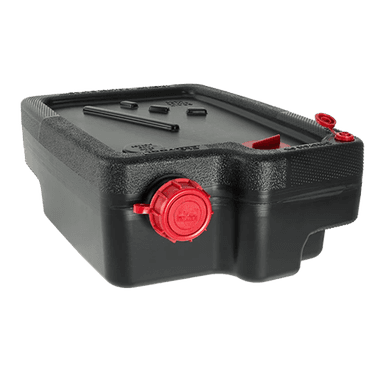
- 🧻 Rags and a small drain pan (to catch any fuel drips).
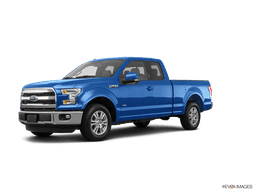
- 🧪 New fuel pump module assembly (for 2016 F‑150 5.0L, flex fuel, 4WD, Lariat – match by engine and wheelbase).
- 🧪 New fuel pump module seal/O‑ring (often included with the module; always replace).
Torque wrench (a ratchet that lets you set a specific tightening force) is strongly recommended.
Prep Steps 📝
- 🧭 Relieve fuel pressure:
- Remove the fuel pump fuse or relay from the under‑hood fuse box (check the lid diagram for “Fuel Pump” or “FP”).
- Start the engine and let it run until it stalls. Crank for a few more seconds to bleed pressure.
- Turn key off and reinstall the fuse/relay for later.
- 🔋 Disconnect battery negative (–) cable.
- ⛽ Lower fuel level if needed: If tank is more than 1/2 full, consider driving it down or using a siphon pump into approved fuel cans.
Raise and Support the Truck 🚙
- 🧱 Park on level ground, set parking brake, chock front wheels.
- 🛠️ Jack up the rear of the truck and place jack stands under the frame rails, not under the axle only. Make sure it’s stable.
Accessing and Supporting the Fuel Tank 🛢️
- 🛠️ Place a jack with a wide wood board under the center of the fuel tank to spread the load and avoid puncturing it.
- 🧹 Clean around the top of the tank (if you can reach) to reduce dirt falling into the tank later.
Disconnect Filler Neck & Vent Hoses 🧵
- 🛠️ At the fuel filler area (behind the gas door), follow the large filler hose and smaller vent hose to where they meet the tank.
- 🛠️ Use a screwdriver or socket to loosen the hose clamps at the tank side.
- 🧤 Twist and pull the hoses off the tank fittings. A little fuel may drip.
Remove Fuel Tank Straps 🔩
- 🛠️ With the jack supporting the tank, locate the two metal straps holding the tank up.
- 🛠️ Remove the strap bolts (usually 13mm or 15mm) at the rear ends of the straps.
- 🧰 Slowly lower the jack a few inches so the tank drops slightly but is still supported.
- 🔩 Torque spec on reassembly: Fuel tank strap bolts ≈ 30–35 lb‑ft (40–47 N·m).
Disconnect Electrical & Fuel Lines on Top of Tank 🔌
- 🧭 As you lower the tank a bit, you’ll see:
- Electrical connector(s) for the pump and level sensor.
- Fuel supply line (and possibly a return/EVAP line).
- 🔌 Electrical connectors: Press the tab and pull straight off. Don’t pry on the wires.
- 🛠️ Fuel lines:
- Use the quick‑disconnect tool. Slide it into the fitting to release the internal spring clip, then pull the line off.
- Have rags ready; a small amount of fuel will spill.
- 🧰 Lower the tank fully and slide it out from under the truck.
Remove the Fuel Pump Module ⛽
- 🧹 Clean the area around the pump module on top of the tank with brake cleaner and rags. Any dirt here can fall into the tank.
- 🛠️ The module is held by a lock ring:
- If you have a lock ring tool, place it on the ring and turn counter‑clockwise.
- Otherwise, use a brass drift and hammer to tap the ring counter‑clockwise. Do not use steel tools that can spark.
- 🧰 Remove the lock ring and lift the pump module straight up. Tilt slightly to clear the float arm and internal hoses.
- 🧪 Remove and discard the old O‑ring seal.
Install the New Fuel Pump Module 🆕
- 🧴 Wipe the sealing surface on the tank clean and dry.
- 🧪 Install the new O‑ring seal in the groove on the tank.
- 🛠️ Carefully lower the new module into the tank:
- Make sure the float arm and any internal hoses are not bent or jammed.
- Align the index marks on the module and tank (there is usually an arrow or notch).
- 🛠️ Install the lock ring and turn it clockwise until fully seated.
- Tap with brass drift if needed to lock it in place.
- Typical lock ring torque is high (often 60–80 lb‑ft), but Ford mainly specifies fully seated to the stop. Make sure it’s fully locked.
Reinstall the Fuel Tank 🔁
- 🛠️ Slide the tank back under the truck and raise it with the jack until you can reach the top.
- 🔌 Reconnect:
- Electrical connectors (click fully into place).
- Fuel line(s) (push until you feel and hear a click; tug gently to confirm they’re locked).
- 🧰 Raise the tank fully into position.
- 🔩 Reinstall the tank straps and bolts.
- Tighten evenly, then torque to about 30–35 lb‑ft (40–47 N·m).
- 🧵 Reconnect the filler hose and vent hose to the tank and tighten the clamps securely.
Final Connections & Priming the System 🔄
- 🔋 Reconnect the battery negative (–) cable.
- ⛽ Turn the key to RUN (not start) for 5 seconds, then OFF. Repeat 3–4 times. This primes the fuel system and builds pressure.
- 🚗 Now crank the engine. It may crank a bit longer the first time, then should start and idle normally.
- 👀 Check under the truck for fuel leaks around the tank, lines, and filler area.
Test Drive & Check Engine Light ✅
- 🚙 Take a short drive, watch for:
- Normal power and throttle response.
- No fuel smell.
- No warning lights (or scan and clear any stored codes if you have a scanner).
Tips & Tricks 💡
- 🧰 Have a helper: One person steadying the tank while the other runs the jack makes this much easier.
- 🧪 Always replace the seal: Reusing the old O‑ring often leads to leaks or EVAP codes.
- 🧹 Keep it clean: Dirt in the tank can kill a new pump quickly.
HowToo makes it easy: Below this answer you’ll see the correct fuel pump module for your F‑150, the lock ring tool, and a fuel line disconnect kit. You can add them to your cart right from the parts section for fast shipping. 🛒
If you tell me your bed length (5.5, 6.5, or 8 ft), I can narrow down the exact pump module part number even further.