




How to Replace the Fuel Pump on a 2015 Ford F-150
Step-by-step instructions with tools, parts, safety tips, and torque specs for 2015, 2016, 2017, 2018
How to Replace the Fuel Pump on a 2015 Ford F-150
Step-by-step instructions with tools, parts, safety tips, and torque specs for 2015, 2016, 2017, 2018


🔧 Fuel Pump - Replacement
The fuel pump on your F-150 is inside the fuel tank, so the tank must be lowered to replace the pump module. This is a bigger job, but it is very doable with the right tools and careful fuel handling.
Difficulty Level: Advanced | Estimated Time: 4-6 hours
⚠️ Safety & Precautions
- Work outdoors or in a very well-ventilated area. Fuel vapors are flammable.
- No smoking, sparks, hot lights, or open flames near the truck.
- Wear safety glasses and fuel-resistant gloves.
- Disconnect the negative battery cable before starting.
- Relieve fuel pressure before opening any fuel line.
- Keep a drain pan and rags ready for spilled fuel.
- The tank is heavy even when partially empty. Use a helper if possible.
🔧 Required Tools
You'll need the following tools for this repair:
- 8mm socket
- 10mm socket
- 13mm socket
- 3/8-inch ratchet
- Fuel line disconnect tool set
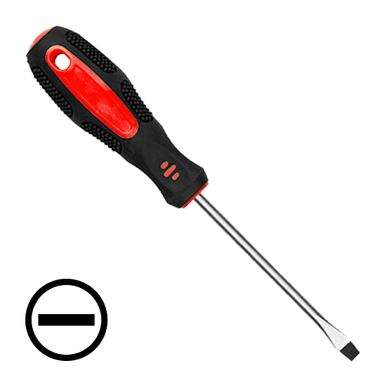
- Flat-blade screwdriver
- Trim clip removal tool
- Torque wrench
- Floor jack (rated 3-ton minimum)
- Jack stands (rated for truck weight)
- Fuel-safe drain pan
- Shop towels
- Safety glasses
- Nitrile gloves
🔩 Required Parts
HowToo sells all the parts you need for this repair:
- Fuel pump module assembly - Qty: 1
- Fuel pump module seal - Qty: 1
- Fuel line O-rings - Qty: 1 set
- Fuel tank strap bolts - Qty: 2
- Fuel tank filler neck seal - Qty: 1
📋 Before You Begin
- Park on level ground and set the parking brake.
- Run the fuel level as low as safely possible before starting. A near-empty tank is much easier to remove.
- Disconnect the negative battery cable with a 10mm socket.
- Relieve fuel pressure at the fuel rail service procedure before disconnecting lines.
- If the truck has a skid plate, remove it first.
🔨 Step-by-Step Instructions
Follow these steps in order:
Step 1: Relieve fuel pressure and disconnect the battery
- Use a 10mm socket to disconnect the negative battery cable.
- Relieve fuel pressure following the truck's fuel system service procedure before opening any line.
- Fuel spray is the main risk here.
Step 2: Raise and support the truck
- Use a floor jack to raise the rear of the truck.
- Place jack stands under the frame rails and lower the truck onto them.
- Keep the truck stable before going underneath.
Step 3: Disconnect the fuel tank filler and vent connections
- Use a flat-blade screwdriver and trim clip removal tool to remove any shields or retainers blocking access.
- Loosen the filler neck and vent tube connections as needed.
- Set the hoses aside so they do not tear when the tank is lowered.
Step 4: Disconnect electrical and fuel lines
- Use a fuel line disconnect tool set to release the quick-connect fuel lines.
- Unplug the fuel pump electrical connector.
- Inspect the connector and line ends for dirt before opening the system.
Step 5: Support and lower the fuel tank
- Use a floor jack with a wide support surface to hold the tank.
- Remove the tank strap bolts with a 13mm socket.
- Lower the tank slowly and watch for any remaining hose or wire attachment.
- Go slow and check every side.
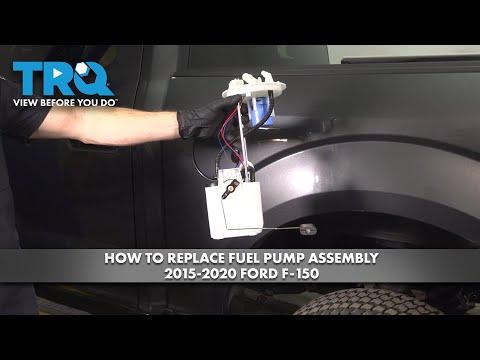
Step 6: Remove the fuel pump module
- Clean the top of the tank with compressed air or a clean rag before opening it.
- Use a screwdriver or the proper lock ring tool to remove the pump retaining ring.
- Lift the fuel pump module straight out of the tank.
- Remove the old seal from the tank opening.
Step 7: Install the new fuel pump module
- Install the new seal in the tank opening.
- Lower the new fuel pump module into place carefully so the float and pickup do not bind.
- Install and tighten the retaining ring securely.
- Make sure the module sits fully seated before moving on.
Step 8: Reinstall the tank
- Raise the tank with the floor jack while guiding the hoses and wiring.
- Reconnect the fuel lines and electrical connector.
- Reattach the filler neck and vent connections.
- Reinstall the tank straps and tighten the bolts. Torque to 40 Nm (30 ft-lbs)
Step 9: Reconnect the battery and prime the system
- Reconnect the negative battery cable with a 10mm socket.
- Turn the key to ON for 5 seconds, then OFF. Repeat 3 times to prime the system.
- Check under the truck for any fuel leaks.
Step 10: Start and verify operation
- Start the engine and let it idle.
- Check for leaks around the tank, fuel lines, and filler connections.
- Listen for abnormal pump noise.
✅ After Repair
- Test drive the truck and confirm normal throttle response and no hard-start condition.
- Recheck for fuel odor or seepage after the road test.
- If the check engine light is on, scan for fuel system codes and clear them after the repair.
💰 DIY vs Shop Cost
Shop Cost: $900-$1,600 (parts + labor)
DIY Cost: $250-$700 (parts only)
You Save: $650-$900 by doing it yourself!
Shop labor rates vary but typically run $100-$150/hour. This repair takes a shop approximately 4-6 hours.
🎯 Ready to get started?
HowToo makes it easy: same-day/2-day shipping on every part, plus all the tools and specialty tools you need! Check out the parts and tools sections below to add everything to your cart.