






How to Replace the Fuel Pump on a 2013 Honda CR-V
Step-by-step instructions with tools, parts, torque specs, and safety tips for 2012, 2013, 2014
How to Replace the Fuel Pump on a 2013 Honda CR-V
Step-by-step instructions with tools, parts, torque specs, and safety tips for 2012, 2013, 2014


🔧 Fuel Pump - Replacement
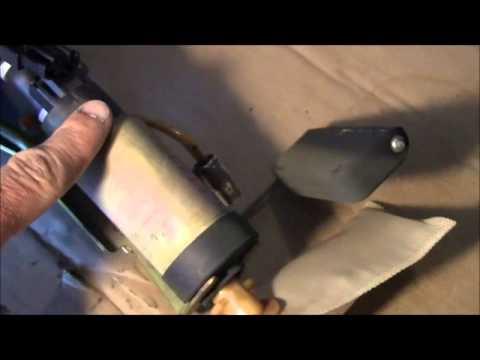
The fuel pump sits inside the fuel tank and feeds fuel to the engine. On your CR-V, the pump module is serviced through the rear cabin access panel, so the tank usually does not need to come out.
Difficulty Level: Intermediate | Estimated Time: 2-4 hours
⚠️ Safety & Precautions
- Work outside or in a very well-ventilated area. Fuel vapors are flammable.
- Disconnect the negative battery cable before opening the fuel system.
- Relieve fuel pressure before disconnecting the fuel line.
- Keep sparks, cigarettes, heat guns, and lights with hot bulbs away from the area.
- Wear safety glasses and fuel-resistant gloves.
- Do not use the pump if the tank opening or lines are dirty.
🔧 Required Tools
You'll need the following tools for this repair:
- 10mm socket
- Ratchet
- Extension bar
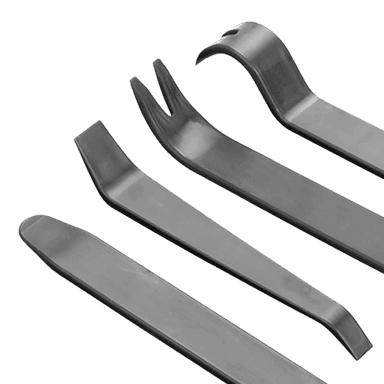
- Trim tool set
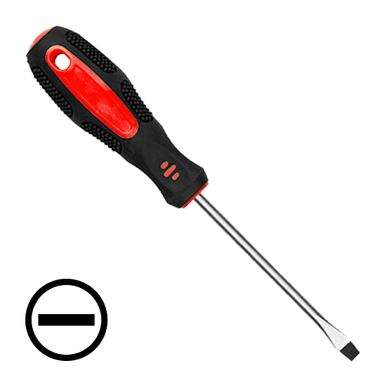
- Flat-head screwdriver
- Fuel line disconnect tool (specialty)
- Torque wrench
- Needle-nose pliers
- Shop towels
- Drain pan
- Safety glasses
- Nitrile gloves
🔩 Required Parts
HowToo sells all the parts you need for this repair:
- Fuel pump module assembly - Qty: 1
- Fuel pump module seal - Qty: 1
- Fuel filter strainer - Qty: 1
- Fuel line O-rings - Qty: 1 set
- Access cover seal or gasket - Qty: 1
📋 Before You Begin
- Park on level ground and set the parking brake.
- Open the fuel filler cap to help reduce tank pressure.
- Disconnect the negative battery cable with a 10mm socket.
- Relieve fuel system pressure before disconnecting any lines.
- Remove or lift the rear seat cushion if needed to reach the access cover.
🔨 Step-by-Step Instructions
Follow these steps in order:
Step 1: Disconnect battery and relieve fuel pressure
- Use a 10mm socket to disconnect the negative battery cable.
- Relieve fuel pressure using the vehicle fuel pressure relief procedure.
- Place shop towels and a drain pan under the work area.
Step 2: Remove rear seat access trim
- Use a trim tool set to remove the rear seat cushion or lift the trim panel covering the access opening.
- Remove the access cover fasteners with a 10mm socket or flat-head screwdriver, depending on the cover style.
- Lift off the cover and set it aside.
Step 3: Disconnect the fuel pump module
- Use needle-nose pliers to release any connector lock tabs if needed.
- Unplug the electrical connector from the pump module.
- Use a fuel line disconnect tool (specialty) to remove the fuel line.
- Wipe any fuel with shop towels.
Step 4: Remove the fuel pump module
- Clean the top of the module area before opening it.
- Use the correct tool to remove the retaining ring or fasteners.
- Lift the module out slowly so the float arm does not bend.
- Keep dirt out of the tank.
Step 5: Install the new module
- Transfer only the needed parts to the new module if the replacement assembly does not include them.
- Install the new fuel pump module seal in the tank opening.
- Lower the new module straight down into the tank.
- Make sure the float arm moves freely.
Step 6: Secure the module and reconnect
- Install the retaining ring or fasteners.
- Use the torque wrench to tighten fasteners to factory specification.
- Torque to 34 Nm (25 ft-lbs) for retaining bolts if equipped with bolted retainers.
- Reconnect the fuel line until it clicks.
- Reconnect the electrical connector.
Step 7: Reinstall trim and battery cable
- Reinstall the access cover with the 10mm socket or flat-head screwdriver.
- Reinstall the rear seat cushion or trim panel using the trim tool set.
- Reconnect the negative battery cable with the 10mm socket.
Step 8: Prime and test
- Turn the key to ON for 5 seconds, then OFF. Repeat 2 to 3 times.
- Check the pump area and fuel line for leaks.
- Start the engine and let it idle.
- Recheck for leaks and verify normal running.
✅ After Repair
- Confirm the engine starts quickly and idles smoothly.
- Check again for fuel odor or seepage after a short drive.
- If the engine does not start, recheck the connector, fuel line lock, and battery connection.
- Dispose of fuel-soaked towels safely.
💰 DIY vs Shop Cost
Shop Cost: $700-$1,400 (parts + labor)
DIY Cost: $180-$450 (parts only)
You Save: $520-$950 by doing it yourself!
Shop labor rates vary but typically run $100-$150/hour. This repair takes a shop approximately 2-4 hours.
🎯 Ready to get started?
HowToo makes it easy: same-day/2-day shipping on every part, plus all the tools and specialty tools you need! Check out the parts and tools sections below to add everything to your cart.