

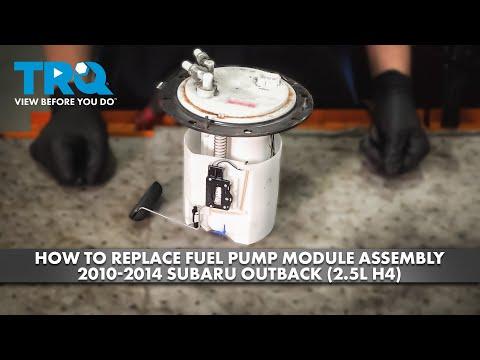





How to Replace the Fuel Pump on a 2012-2014 Subaru Outback (Trim: 3.6R Limited | Engine: Flat 6 3.6L)
Step-by-step DIY guide with tools, parts, torque specs, safety tips, and leak checks for 2012, 2013
How to Replace the Fuel Pump on a 2012-2014 Subaru Outback (Trim: 3.6R Limited | Engine: Flat 6 3.6L)
Step-by-step DIY guide with tools, parts, torque specs, safety tips, and leak checks for 2012, 2013


🔧 Outback - Fuel Pump Replacement
Replacing the fuel pump on your Outback involves accessing the pump module from inside the rear cargo area, removing the fuel pump assembly from the tank, and installing a new complete fuel pump module. The fuel pump sends fuel from the tank to the engine, and a weak pump can cause hard starting, stalling, low power, or a no-start condition.
Difficulty Level: Intermediate | Estimated Time: 2-3 hours
⚠️ Safety & Precautions
- ⚠️ Work in a well-ventilated area away from flames, sparks, heaters, cigarettes, or hot lights.
- ⚠️ Gasoline vapors are highly flammable, so keep a fire extinguisher rated for fuel fires nearby.
- ⚠️ Disconnect the negative battery cable before opening the fuel system.
- ⚠️ Relieve fuel pressure before disconnecting the pump lines.
- ⚠️ Wear safety glasses and nitrile gloves to protect your eyes and skin from gasoline.
- ⚠️ Wipe spills immediately and dispose of fuel-soaked rags safely.
- ⚠️ Do not use power tools near the open fuel tank.
🔧 Required Tools
You'll need the following tools for this repair:
- 10mm socket
- 12mm socket
- Ratchet wrench
- Socket extension 6-inch
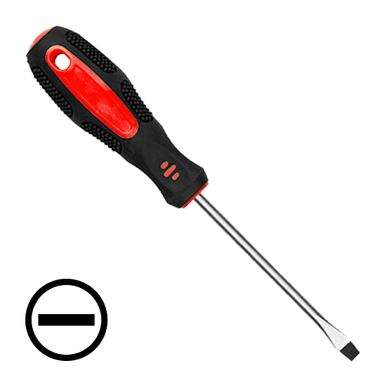
- Flat-blade screwdriver
- Plastic trim removal tool
- Fuel line disconnect pliers
- Needle-nose pliers
- Brass punch
- Small hammer
- Shop towels
- Drain pan
- Torque wrench inch-pound
- Safety glasses
- Nitrile gloves
- Fire extinguisher Class B
🔩 Required Parts
HowToo sells all the parts you need for this repair:
- Fuel pump module assembly - Qty: 1
- Fuel pump tank seal gasket - Qty: 1
- Fuel line retaining clips - Qty: 2
- Fuel-resistant shop towels - Qty: 1 pack
📋 Before You Begin
- 🚗 Park your Outback on level ground and set the parking brake.
- ⛽ Run the fuel level as low as safely possible before starting. A lighter tank makes spills less likely.
- 🔋 Use a 10mm socket to disconnect the negative battery cable, then move the cable aside so it cannot touch the terminal.
- 🧯 Keep a Class B fire extinguisher close by before opening the fuel tank.
- 🧰 A brass punch is a soft metal drift used to tap the fuel pump lock ring without creating sparks like steel can.
- 🧰 Fuel line disconnect pliers help squeeze the plastic fuel line tabs without breaking them.
🔨 Step-by-Step Instructions
Follow these steps in order:
Step 1: Relieve Fuel Pressure
- Open the fuel filler cap by hand to release tank vapor pressure.
- Use a plastic trim removal tool to remove the interior fuse box cover.
- Remove the fuel pump fuse using needle-nose pliers.
- Start the engine and let it run until it stalls. This uses up fuel pressure in the lines.
- Turn the ignition off.
- If the engine does not start, crank it for 3-5 seconds with the fuse removed.
- Reinstall the fuel filler cap by hand.
Step 2: Disconnect the Battery
- Use a 10mm socket and ratchet wrench to loosen the negative battery terminal nut.
- Lift the negative cable off the battery post and place it aside.
- Wait at least 60 seconds before working near fuel vapors.
Step 3: Access the Rear Cargo Floor
- Open the rear hatch.
- Remove loose cargo by hand.
- Lift out the rear cargo floor panels by hand.
- Use a plastic trim removal tool to release any cargo tray clips carefully.
- Fold or remove the rear floor trim enough to expose the fuel pump access cover on the passenger-side rear floor area.
- Take pictures before unplugging anything.
Step 4: Remove the Fuel Pump Access Cover
- Use a 10mm socket, socket extension 6-inch, and ratchet wrench to remove the access cover bolts.
- Lift the access cover slowly by hand.
- If the cover seal sticks, use a plastic trim removal tool to gently work it loose.
- Move the cover aside without pulling hard on any wiring.
Step 5: Clean Around the Pump Module
- Use shop towels to wipe dirt and dust from the top of the fuel pump module.
- Clean around the fuel lines and electrical connector before disconnecting them.
- This helps stop dirt from falling into the fuel tank.
Step 6: Disconnect the Electrical Connector
- Press the locking tab on the fuel pump electrical connector by hand.
- If the tab is tight, use a flat-blade screwdriver gently to help release it.
- Pull the connector straight off the pump module.
- Do not pull on the wires.
Step 7: Disconnect the Fuel Lines
- Place shop towels around the fuel line fittings.
- Set a drain pan nearby to catch small fuel drips.
- Use fuel line disconnect pliers to squeeze the quick-connect tabs.
- Pull each fuel line straight off the pump fitting by hand.
- Use needle-nose pliers only on the retaining clip if needed, not on the plastic fuel line body.
- Cover the line ends with clean shop towels.
Step 8: Remove the Fuel Pump Lock Ring
- Position the brass punch against one raised tab on the lock ring.
- Use a small hammer to tap the brass punch counterclockwise.
- Work around the ring evenly until the lock ring loosens.
- Lift the lock ring off by hand.
- Do not use a steel chisel because it can create sparks.
Step 9: Remove the Fuel Pump Module
- Lift the fuel pump module straight up slowly by hand.
- Tilt the module slightly as needed to clear the fuel level float arm.
- The fuel level float is the small arm that measures fuel level for the dash gauge.
- Let fuel drain from the old module into the tank for a few seconds.
- Place the old module into the drain pan.
- Remove the old tank seal gasket by hand.
Step 10: Install the New Tank Seal
- Wipe the tank opening with clean shop towels.
- Install the new fuel pump tank seal gasket by hand into the tank groove.
- Make sure the gasket sits flat and is not twisted.
- Do not reuse the old gasket.
Step 11: Install the New Fuel Pump Module
- Lower the new fuel pump module into the tank by hand.
- Guide the fuel level float arm in carefully so it does not bend.
- Align the pump module marks with the marks on the tank.
- Press the module down evenly against the new gasket.
- Do not force the float arm.
Step 12: Reinstall the Lock Ring
- Install the lock ring by hand over the fuel pump module.
- Use the brass punch and small hammer to tap the lock ring clockwise.
- Continue until the lock ring is fully seated against its stops.
- If your replacement uses small perimeter bolts instead of a lock ring, use a torque wrench inch-pound and tighten evenly in a crisscross pattern to Torque to 4.4 Nm (39 in-lbs).
Step 13: Reconnect Fuel Lines and Wiring
- Push each fuel line straight onto its matching fuel pump fitting by hand until it clicks.
- Gently tug each line by hand to confirm it is locked.
- Install new fuel line retaining clips by hand if the old clips are damaged or loose.
- Reconnect the electrical connector by hand until the locking tab clicks.
Step 14: Prime the Fuel System and Check for Leaks
- Use a 10mm socket and ratchet wrench to reconnect the negative battery cable.
- Use a torque wrench inch-pound to tighten the negative battery terminal to Torque to 5 Nm (44 in-lbs).
- Reinstall the fuel pump fuse by hand or with needle-nose pliers.
- Turn the ignition to ON for 5 seconds, then OFF for 10 seconds.
- Repeat this ON/OFF cycle 3 times to prime the fuel pump.
- Look and smell around the pump module for leaks before starting the engine.
Step 15: Reinstall the Access Cover and Cargo Trim
- If no leaks are found, reinstall the fuel pump access cover.
- Use a 10mm socket, socket extension 6-inch, and torque wrench inch-pound to tighten the access cover bolts to Torque to 4.5 Nm (40 in-lbs).
- Reinstall the rear cargo floor trim and panels by hand.
- Use the plastic trim removal tool to help align clips if needed.
Step 16: Start the Engine
- Start the engine and let it idle.
- Use safety glasses and inspect the access area again for leaks.
- If the engine cranks longer than normal, turn the key off and repeat the priming cycle.
- Shut the engine off immediately if you smell strong fuel or see wet fuel.
✅ After Repair
- ✅ Let the engine idle for 2-3 minutes and make sure it runs smoothly.
- ✅ Check the fuel gauge to confirm the level reads normally.
- ✅ Take a short test drive around the block, then recheck for fuel smell or leaks.
- ✅ Dispose of fuel-soaked towels according to local hazardous waste rules.
- ✅ If the check engine light was on before repair, a scan tool may be needed to clear stored fuel-pressure-related codes.
💰 DIY vs Shop Cost
Shop Cost: $650-$1,050 (parts + labor)
DIY Cost: $250-$550 (parts only)
You Save: $400-$500 by doing it yourself!
Shop labor rates vary but typically run $100-$150/hour. This repair takes a shop approximately 2-3 hours.
🎯 Ready to get started?
HowToo makes it easy: same-day/2-day shipping on every part, plus all the tools and specialty tools you need! Check out the parts and tools sections below to add everything to your cart.