

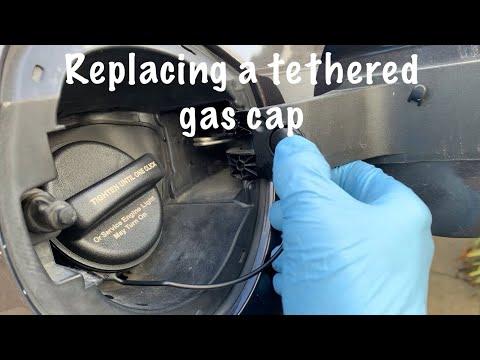




How to Replace the Fuel Cap on a 2001-2024 Toyota Highlander (Engine: Inline 4 2.7L)
Step-by-step DIY guide with safety tips, parts, EVAP leak checks, and cost savings for 2001, 2002, 2003, 2006, 2007, 2023, 2024
How to Replace the Fuel Cap on a 2001-2024 Toyota Highlander (Engine: Inline 4 2.7L)
Step-by-step DIY guide with safety tips, parts, EVAP leak checks, and cost savings for 2001, 2002, 2003, 2006, 2007, 2023, 2024


🔧 Highlander - Fuel Cap Replacement
Replacing the fuel cap on your Highlander is one of the easiest DIY repairs. A worn, cracked, loose, or missing fuel cap can cause fuel vapor leaks and may trigger a check engine light related to the EVAP system.
Difficulty Level: Beginner | Estimated Time: 5-10 minutes
⚠️ Safety & Precautions
- ⚠️ Work in a well-ventilated area and keep sparks, cigarettes, and open flames away from the fuel door.
- ⚠️ Do not replace the cap while the engine is running.
- ⚠️ If you smell strong fuel odor, step away and let the area air out before continuing.
- ⚠️ Battery disconnect is not required for this repair.
🔧 Required Tools
You'll need the following tools for this repair:
- Safety glasses
- Nitrile gloves
🔩 Required Parts
HowToo sells all the parts you need for this repair:
- Fuel cap - Qty: 1
📋 Before You Begin
- Park your Highlander on level ground.
- Shift to Park and set the parking brake.
- Turn the ignition fully off and remove the key from the vehicle.
- Make sure you have the correct replacement fuel cap for your Highlander.
- The fuel cap seals the fuel tank vapor system, also called the EVAP system. EVAP means the system that keeps fuel vapors from escaping into the air.
🔨 Step-by-Step Instructions
Follow these steps in order:
Step 1: Open the Fuel Door
- Use your hand to open the fuel door on the driver-side rear quarter panel.
- No tool is needed for this step.
- Put on safety glasses and nitrile gloves before touching the fuel cap.
Step 2: Remove the Old Fuel Cap
- Use your hand to turn the old fuel cap counterclockwise until it comes loose.
- Remove the cap from the filler neck. The filler neck is the metal opening where fuel goes into the tank.
- If your old cap has a retaining tether, use your hand to slide or unclip the tether from its mounting point on the fuel door area.
- Do not force plastic clips.
Step 3: Inspect the Filler Neck
- Use your eyes and a gloved finger to check the fuel filler neck sealing surface.
- Look for dirt, rust flakes, cracks, or pieces of old rubber seal.
- If needed, wipe the sealing surface gently with a clean dry cloth.
- Do not push dirt into the filler opening.
Step 4: Install the New Fuel Cap Tether
- If the new fuel cap has a tether, use your hand to attach it to the same mounting point as the old cap.
- Make sure the tether does not twist around the cap or block the fuel door.
- No torque spec applies because this is a hand-installed part.
Step 5: Install the New Fuel Cap
- Place the new fuel cap squarely onto the filler neck by hand.
- Turn it clockwise until it clicks.
- For your Highlander, tighten the cap until you hear at least one firm click.
- Do not use pliers or any tool to tighten it.
- Torque to hand-tight only
Step 6: Close the Fuel Door
- Use your hand to close the fuel door until it sits flush with the body.
- Make sure the tether is not pinched between the fuel door and body.
✅ After Repair
- Start your Highlander and check that the fuel cap warning message, if present, is gone.
- If the check engine light was already on because of a loose or leaking cap, it may take several drive cycles to turn off by itself.
- A drive cycle means starting the vehicle, driving normally, and shutting it off after the engine reaches operating temperature.
- If the check engine light remains on after several days of normal driving, scan for diagnostic trouble codes.
- If codes such as EVAP small leak or gross leak return, the issue may be elsewhere in the EVAP system, not just the cap.
💰 DIY vs Shop Cost
Shop Cost: $40-$90 parts + labor
DIY Cost: $15-$35 parts only
You Save: $25-$55 by doing it yourself!
Shop labor rates vary but typically run $100-$150/hour. This repair takes a shop approximately 0.2-0.3 hours.
🎯 Ready to get started?
HowToo makes it easy: same-day/2-day shipping on every part, plus all the tools and specialty tools you need! Check out the parts and tools sections below to add everything to your cart.