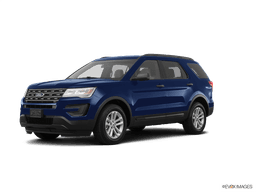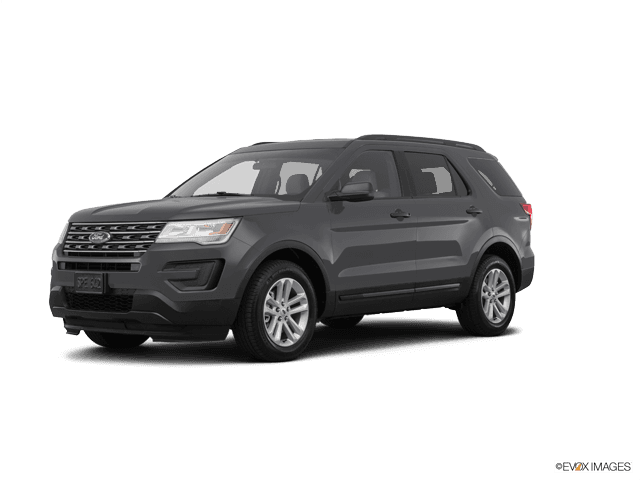

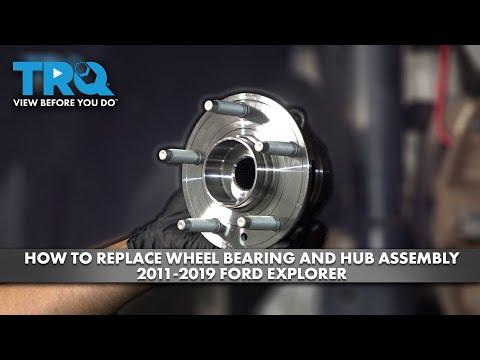





How to Replace the Front Wheel Bearing Hub on a 2017 Ford Explorer
Step-by-step hub assembly replacement with tools, parts, safety tips, and torque specs for 2011, 2012, 2013, 2014, 2015, 2016, 2017, 2018, 2019
How to Replace the Front Wheel Bearing Hub on a 2017 Ford Explorer
Step-by-step hub assembly replacement with tools, parts, safety tips, and torque specs for 2011, 2012, 2013, 2014, 2015, 2016, 2017, 2018, 2019


🔧 Wheel Bearings - Hub Assembly Replacement
On your Explorer, the wheel bearing is part of the hub assembly, so the usual repair is replacing the entire hub unit rather than pressing in a bearing. This job is straightforward on the front but can be stubborn if the hub is rusted into the knuckle.
Assumption: This guide covers a single front wheel hub assembly. Rear wheel hub replacement is very similar if that is the side you need.
Difficulty Level: Intermediate | Estimated Time: 2-4 hours per side
⚠️ Safety & Precautions
- Work on level ground and support the vehicle with jack stands. Never rely on a jack alone.
- Chock the opposite wheels before lifting.
- If your Explorer has electronic parking brake functions involved in a rear repair, follow the service mode procedure before service.
- Keep hands clear when removing the axle nut and hub; parts can shift suddenly.
- Use eye protection when loosening rusted parts or striking the hub.
- If a front axle is being removed, do not run the vehicle with the axle out.
🔧 Required Tools
You'll need the following tools for this repair:
- Floor jack (rated 3-ton minimum)
- Jack stands (rated for vehicle weight)
- Wheel chocks
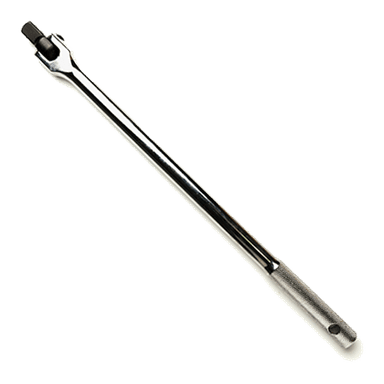
- Breaker bar
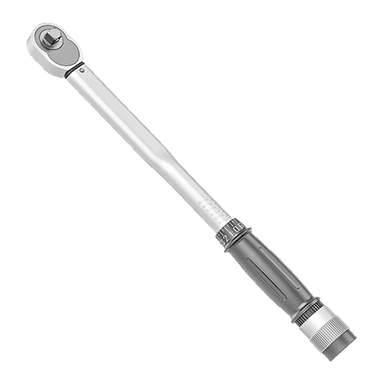
- Torque wrench
- Socket set
- 21mm socket
- Axle nut socket (size matches your hub nut)
- Ratchet
- Penetrating oil
- Dead blow hammer
- Needle-nose pliers
- Flat trim tool
- Brake caliper hanger hook (specialty)
- Impact wrench (optional)
- Safety glasses
- Mechanic gloves
🔩 Required Parts
HowToo sells all the parts you need for this repair:
- Front wheel hub assembly - Qty: 1
- Front axle nut - Qty: 1
- Hub-to-knuckle bolts - Qty: 3
- ABS wheel speed sensor clip or retainer - Qty: 1
- Brake cleaner - Qty: 1 can
📋 Before You Begin
- Park on level ground, set the parking brake, and chock the rear wheels.
- Loosen the lug nuts before lifting the vehicle.
- Have the new hub assembly ready before disassembly.
- Spray the axle nut and hub bolts with penetrating oil and let it soak.
🔨 Step-by-Step Instructions
Follow these steps in order:
Step 1: Loosen the wheel and axle nut
- Use a breaker bar and 21mm socket to loosen the lug nuts before lifting the vehicle.
- With the wheel still on the ground, use the correct axle nut socket to loosen the axle nut if this is a front hub.
- Torque to factory spec during reassembly.
Step 2: Lift and support the vehicle
- Use a floor jack to raise the corner of the Explorer.
- Place it securely on jack stands.
- Remove the wheel with a 21mm socket.
Step 3: Remove the brake caliper and rotor
- Use a ratchet and the correct socket to remove the caliper bracket bolts.
- Hang the caliper with a brake caliper hanger hook (specialty). Do not let it dangle by the hose.
- Remove the rotor. If stuck, tap it gently with a dead blow hammer.
Step 4: Disconnect the hub wiring
- Use a flat trim tool and needle-nose pliers to release the ABS sensor wire clips.
- Unplug the sensor connector if it is attached to the hub.
Step 5: Remove the hub assembly
- Use a ratchet and the correct socket to remove the hub-to-knuckle bolts from the back side.
- Tap the hub from the rear with a dead blow hammer until it releases from the knuckle.
- Rust makes this step the hardest.
Step 6: Install the new hub assembly
- Clean the mounting surface with brake cleaner.
- Position the new hub assembly and start the bolts by hand.
- Use a torque wrench to tighten the hub bolts to factory spec.
Step 7: Reinstall the axle nut, rotor, and brakes
- If front wheel drive hardware was removed, reinstall the axle and fit a new axle nut.
- Use a torque wrench to tighten the axle nut to factory spec.
- Reinstall the rotor, caliper bracket, and caliper with the correct sockets.
- Torque to factory spec.
Step 8: Reinstall the wheel and finish up
- Install the wheel and hand-tighten the lug nuts.
- Lower the Explorer and use a torque wrench with a 21mm socket to tighten the lug nuts in a star pattern.
- Torque to factory spec.
✅ After Repair
- Spin the wheel by hand and listen for smooth, quiet rotation.
- Press the brake pedal several times before moving the vehicle.
- Test drive slowly at first and listen for humming, grinding, or ABS warning lights.
- If the ABS light stays on, scan for wheel speed sensor codes and inspect the hub connector.
💰 DIY vs Shop Cost
Shop Cost: $350-$700 per side (parts + labor)
DIY Cost: $120-$250 per side (parts only)
You Save: $230-$450 by doing it yourself!
Shop labor rates vary but typically run $100-$150/hour. This repair takes a shop approximately 2-4 hours.
🎯 Ready to get started?
HowToo makes it easy: same-day/2-day shipping on every part, plus all the tools and specialty tools you need! Check out the parts and tools sections below to add everything to your cart.