





How to Replace the Front Door Lock Actuator on a 2019-2023 Nissan Altima
Step-by-step DIY guide with tools, parts, safety tips, and latch torque specs for 2019, 2020, 2021, 2022, 2023
How to Replace the Front Door Lock Actuator on a 2019-2023 Nissan Altima
Step-by-step DIY guide with tools, parts, safety tips, and latch torque specs for 2019, 2020, 2021, 2022, 2023


🔧 Front Door Lock Actuator - Replacement
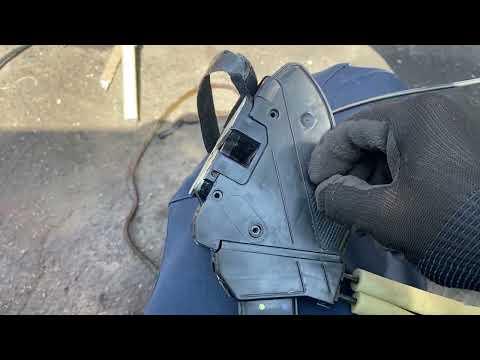
Replacing the front door lock actuator on your Altima means removing the inner door panel, disconnecting the lock cables and wiring, then replacing the latch/actuator assembly inside the door. The actuator is the small electric motor/gear unit that locks and unlocks the door when you press the key fob or door switch.
Difficulty Level: Intermediate | Estimated Time: 1.5-2.5 hours
⚠️ Safety & Precautions
- ⚠️ Disconnect the negative battery cable before unplugging door wiring to reduce the chance of electrical shorts.
- ⚠️ Do not turn the ignition ON with door connectors unplugged, or warning lights and fault codes may set.
- ⚠️ Support the door panel as you remove it so you do not pull or tear wiring.
- ⚠️ Door edges and inner metal panels can be sharp. Wear gloves.
- ⚠️ Keep track of every screw and clip. Missing clips can cause rattles later.
🔧 Required Tools
You'll need the following tools for this repair:
- 10mm socket
- Ratchet handle
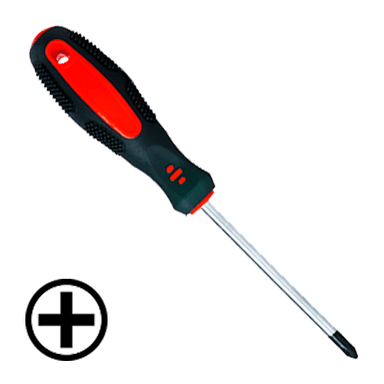
- Phillips #2 screwdriver
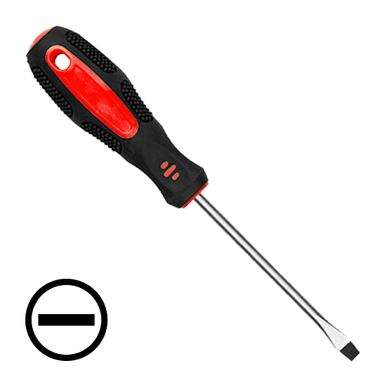
- Flat-blade screwdriver 1/4 inch
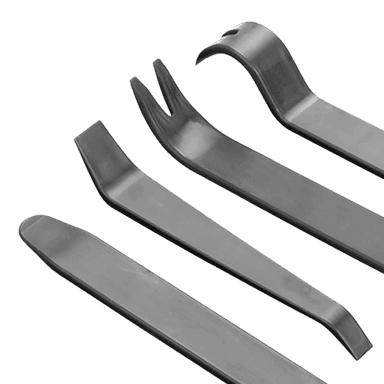
- Plastic trim removal tool set
- Torx T30 screwdriver
- Needle-nose pliers 6 inch
- Panel clip removal pliers
- Painter’s tape 1 inch
- Flashlight
- Magnetic parts tray
- Nitrile gloves
- Safety glasses
🔩 Required Parts
HowToo sells all the parts you need for this repair:
- Front door lock actuator/latch assembly - Qty: 1
- Door panel retaining clips - Qty: As needed
- Butyl sealing tape - Qty: As needed
📋 Before You Begin
- Park your Altima on level ground with the ignition OFF.
- Lower the window fully before starting. This gives more room to work.
- Open the front door you are repairing and keep it fully supported.
- Use painter’s tape around trim edges if you are worried about scratches.
- A trim removal tool is a plastic pry tool that helps release clips without damaging the door panel.
- Butyl sealing tape is sticky black sealant used to reseal the plastic water shield behind the door panel.
🔨 Step-by-Step Instructions
Follow these steps in order:
Step 1: Disconnect the Battery
- Use a 10mm socket and ratchet handle to loosen the negative battery terminal clamp.
- Lift the negative cable off the battery post and position it where it cannot spring back.
- Wait 3 minutes before unplugging door connectors.
- Take photos before unplugging connectors.
Step 2: Remove the Door Handle Trim Covers
- Use a plastic trim removal tool to gently pry off the small trim cover inside the interior door pull/handle area.
- Use the same plastic trim removal tool to remove any screw cover in the armrest pull pocket.
- Set the covers in a magnetic parts tray so they do not get lost.
Step 3: Remove Door Panel Screws
- Use a Phillips #2 screwdriver to remove the exposed screws from the interior handle area and armrest pull pocket.
- If a screw is stubborn, press firmly while turning to avoid stripping it.
- Place the screws in the magnetic parts tray.
Step 4: Release the Door Panel Clips
- Use a plastic trim removal tool at the lower rear edge of the door panel.
- Pry outward gently until the first plastic clip pops loose.
- Work around the bottom and sides of the panel with the plastic trim removal tool.
- If a clip stays in the door, use panel clip removal pliers to remove it and reinstall it into the panel.
- Pull near clips, not corners.
Step 5: Lift Off the Door Panel
- Use both hands to lift the door panel straight upward off the upper window ledge.
- Hold the panel close to the door so the wiring is not stretched.
- Use a flat-blade screwdriver 1/4 inch to carefully release electrical connector lock tabs if needed.
- Disconnect the window switch and door lock switch connectors by pressing the tabs and pulling straight out.
Step 6: Disconnect the Interior Handle Cables
- Use needle-nose pliers 6 inch to rotate the cable ends out of the interior handle levers.
- Unclip the cable housings from the handle bracket.
- Note which cable goes where before removing them.
- Set the door panel in a safe place with the finished side facing up.
Step 7: Peel Back the Water Shield
- Use your gloved hands to slowly peel back the plastic water shield near the rear of the door.
- Use a flat-blade screwdriver 1/4 inch only if needed to help separate sticky butyl sealant.
- Do not tear the water shield. It keeps rainwater away from the door panel.
- If the butyl sealant loses stickiness, replace it with butyl sealing tape during reassembly.
Step 8: Disconnect the Lock Actuator Wiring
- Use a flashlight to locate the latch/actuator assembly at the rear edge of the door.
- Use your fingers to press the electrical connector release tab.
- If access is tight, use a flat-blade screwdriver 1/4 inch to gently depress the tab.
- Pull the connector straight off the actuator.
Step 9: Remove the Exterior Handle Rod or Cable
- Use a flashlight to identify the rod or cable running from the exterior door handle to the latch.
- Use needle-nose pliers 6 inch to rotate the plastic retainer clip open.
- Lift the rod or cable end out of the latch lever.
- Do not bend the rod. Bent linkage can cause poor handle operation.
Step 10: Remove the Latch/Actuator Screws
- Open the door fully and look at the rear edge of the door where the latch grabs the striker.
- Use a Torx T30 screwdriver to remove the latch mounting screws.
- Hold the latch/actuator assembly with your other hand while removing the last screw.
- The factory screws are tight. Keep the Torx bit fully seated to avoid rounding the screw head.
Step 11: Remove the Old Actuator Assembly
- Use your hands to guide the latch/actuator assembly out through the inner door opening.
- Move slowly around the window track and wiring harness.
- Compare the old assembly with the new front door lock actuator/latch assembly.
- Make sure the connector shape, latch position, and cable/rod attachment points match.
Step 12: Install the New Actuator Assembly
- Use your hands to guide the new front door lock actuator/latch assembly into the door.
- Align it with the latch opening at the rear edge of the door.
- Start all latch screws by hand first.
- Use a Torx T30 screwdriver to tighten the latch screws evenly.
- Torque to 7.8 Nm (69 in-lbs)
Step 13: Reconnect Rods, Cables, and Wiring
- Use needle-nose pliers 6 inch to reconnect the exterior handle rod or cable to the latch lever.
- Snap the plastic retainer clip fully closed.
- Reconnect the actuator electrical connector by pushing it in until it clicks.
- Gently tug the connector to confirm it is locked.
Step 14: Test Before Reinstalling the Door Panel
- Use a 10mm socket and ratchet handle to temporarily reconnect the negative battery cable.
- Keep hands clear of the latch opening.
- Use the key fob and door lock switch to test lock and unlock operation.
- Use a screwdriver shaft to simulate the door striker by clicking the latch closed.
- Pull the interior and exterior handles to confirm the latch releases.
- Use a 10mm socket and ratchet handle to disconnect the negative battery cable again before finishing reassembly.
Step 15: Reseal the Water Shield
- Use your hands to press the plastic water shield back onto the door.
- Use butyl sealing tape anywhere the original sealant no longer sticks.
- Make sure the shield is sealed around the lower and rear areas.
- A poor seal can let water reach the carpet or door panel.
Step 16: Reconnect Door Panel Cables and Connectors
- Use needle-nose pliers 6 inch to reinstall the interior handle cable ends into the handle levers.
- Clip the cable housings back into their brackets.
- Reconnect the window switch and lock switch connectors by pushing them in until they click.
- Check that no wiring is pinched.
Step 17: Reinstall the Door Panel
- Use both hands to hang the top of the door panel over the window ledge.
- Line up the plastic clips with their holes.
- Press around the sides and bottom of the panel with your palm until each clip snaps in.
- Replace broken door panel retaining clips before final assembly.
Step 18: Reinstall Screws and Trim Covers
- Use a Phillips #2 screwdriver to reinstall the door panel screws.
- Snug the screws only. Do not overtighten into plastic.
- Use your hands to snap the trim covers back into place.
- Use a 10mm socket and ratchet handle to reconnect the negative battery cable.
✅ After Repair
- Test lock and unlock from the key fob, interior switch, and mechanical key if equipped.
- Open and close the door several times to confirm smooth latch operation.
- Test the window switch, mirror switch, courtesy light, and speaker in that door.
- Listen for rattles while closing the door. A rattle usually means a loose clip or screw.
- If the auto window feature stops working, initialize it by holding the window switch down fully, then up fully for several seconds.
💰 DIY vs Shop Cost
Shop Cost: $350-$650 (parts + labor)
DIY Cost: $90-$250 (parts only)
You Save: $260-$400 by doing it yourself!
Shop labor rates vary but typically run $100-$150/hour. This repair takes a shop approximately 1-1.5 hours.
🎯 Ready to get started?
HowToo makes it easy: same-day/2-day shipping on every part, plus all the tools and specialty tools you need! Check out the parts and tools sections below to add everything to your cart.