




How to Replace the Front Door Lock Actuator on a 2017 Ford Explorer
Step-by-step instructions with tools, parts, torque specs, and safety tips for 2011, 2012, 2013, 2014, 2015, 2016, 2017, 2018, 2019, 2020
How to Replace the Front Door Lock Actuator on a 2017 Ford Explorer
Step-by-step instructions with tools, parts, torque specs, and safety tips for 2011, 2012, 2013, 2014, 2015, 2016, 2017, 2018, 2019, 2020


🔧 Front Door Lock Actuator - Replacement
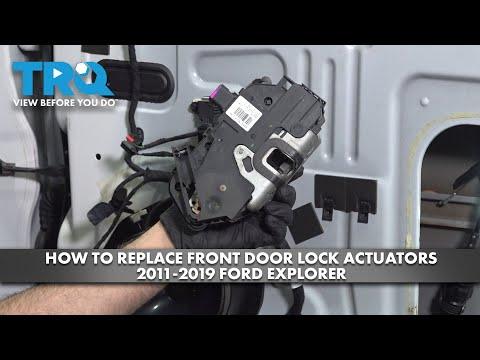
The front door lock actuator on your Explorer is usually part of the door latch assembly. This job means removing the inner door panel, swapping the latch/actuator, then checking that the lock, handle, and key fob all work smoothly.
Difficulty Level: Intermediate | Estimated Time: 2-4 hours
⚠️ Safety & Precautions
- Disconnect the negative battery cable before starting. The front door may contain side-airbag wiring.
- Wait at least 10 minutes after disconnecting the battery before working inside the door.
- Support the door panel carefully so you do not break clips or wiring connectors.
- Keep the window glass fully raised to avoid damage while the panel is off.
- Use a trim tool, not a screwdriver, on the door panel.
🔧 Required Tools
You'll need the following tools for this repair:
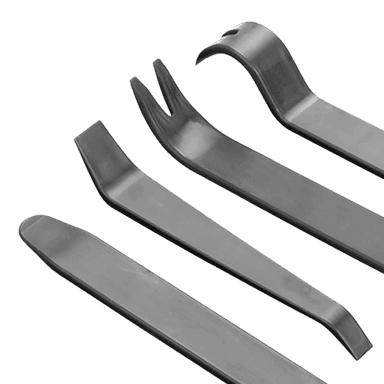
- Trim panel removal tool
- 7mm socket
- 8mm socket
- 10mm socket
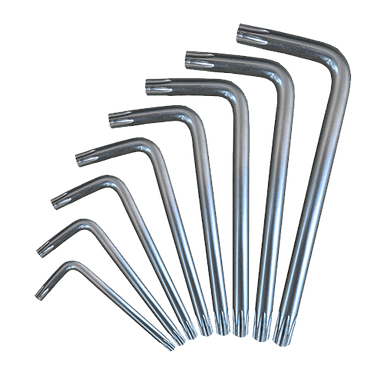
- Torx T20 screwdriver
- Torx T30 screwdriver
- Ratchet
- Short extension
- Torque wrench
- Needle-nose pliers
- Flat plastic pick tool
- Flashlight
- Safety glasses
- Mechanic gloves
🔩 Required Parts
HowToo sells all the parts you need for this repair:
- Front door latch and lock actuator assembly - Qty: 1
- Door panel clip set - Qty: 1
- Vapor barrier adhesive sealant - Qty: 1
📋 Before You Begin
- Park on level ground and set the parking brake.
- Lower the window slightly only if needed later for access, then raise it before disconnecting the battery.
- Disconnect the negative battery cable and wait 10 minutes.
- Have a clean table ready for screws, clips, and the door panel.
🔨 Step-by-Step Instructions
Follow these steps in order:
Step 1: Remove trim pieces and hardware
- Use the flat plastic pick tool and trim panel removal tool to remove the small trim covers around the interior door handle and armrest.
- Use the 7mm socket and Torx T20 screwdriver to remove the visible panel screws.
- Set the screws aside in order so they go back in the same places.
Step 2: Remove the inner door panel
- Use the trim panel removal tool to release the door panel clips around the edge.
- Lift the panel straight up to unhook it from the window ledge.
- Disconnect the electrical connectors for the window switch, speaker, and any courtesy light.
- Pull clips straight out to avoid breaking them.
Step 3: Peel back the vapor barrier
- Use the flat plastic pick tool to carefully lift the vapor barrier from the door.
- Peel it back slowly and keep the adhesive clean so you can reuse it.
- If the seal tears, plan to reseal it with vapor barrier adhesive sealant.
Step 4: Disconnect the latch cables and wiring
- Use your fingers and needle-nose pliers to release the interior handle cable and any connector locks from the latch area.
- Unplug the actuator wiring connector.
- Trace the cable routing before removal so it goes back the same way.
Step 5: Remove the latch and lock actuator assembly
- Use the 10mm socket and short extension to remove the latch mounting bolts on the door edge.
- Pull the latch/actuator assembly out through the access opening in the door.
- If needed, use the Torx T30 screwdriver on any bracket or guide fasteners attached to the latch.
- Torque to 8 Nm (71 in-lbs) when reinstalling the latch bolts.
Step 6: Install the new actuator assembly
- Compare the new part to the old one before installation.
- Feed the new latch/actuator assembly into the door the same way the old one came out.
- Reconnect the wiring connector and any cables.
- Install the latch bolts with the 10mm socket and tighten to 8 Nm (71 in-lbs).
Step 7: Reassemble the door
- Press the vapor barrier back into place and reseal any torn areas.
- Reconnect the door panel electrical connectors.
- Hook the top of the door panel onto the window ledge, then press the clips back in.
- Install the screws with the 7mm socket and Torx T20 screwdriver.
- Torque to 2 Nm (18 in-lbs) for small trim screws.
Step 8: Restore power and test
- Reconnect the negative battery cable.
- Test the lock switch, key fob, interior handle, and outside handle.
- Make sure the door opens, closes, locks, and unlocks smoothly.
✅ After Repair
- Cycle the lock at least 10 times with the key fob and door switch.
- Check that the child safety lock, if equipped, still works correctly.
- Listen for any clicking or binding from the latch.
- Verify the window switch and speaker work after reassembly.
💰 DIY vs Shop Cost
Shop Cost: $350-$700 (parts + labor)
DIY Cost: $120-$280 (parts only)
You Save: $230-$420 by doing it yourself!
Shop labor rates vary but typically run $100-$150/hour. This repair takes a shop approximately 2-4 hours.
🎯 Ready to get started?
HowToo makes it easy: same-day/2-day shipping on every part, plus all the tools and specialty tools you need! Check out the parts and tools sections below to add everything to your cart.