













How to Replace the Front Door Lock Actuator on a 2014-2021 Toyota Highlander
Step-by-step DIY guide with tools, parts, torque specs, safety tips, and testing for 2014, 2015, 2016, 2017, 2018, 2019, 2020, 2021
How to Replace the Front Door Lock Actuator on a 2014-2021 Toyota Highlander
Step-by-step DIY guide with tools, parts, torque specs, safety tips, and testing for 2014, 2015, 2016, 2017, 2018, 2019, 2020, 2021


🔧 Highlander - Front Door Lock Actuator Replacement
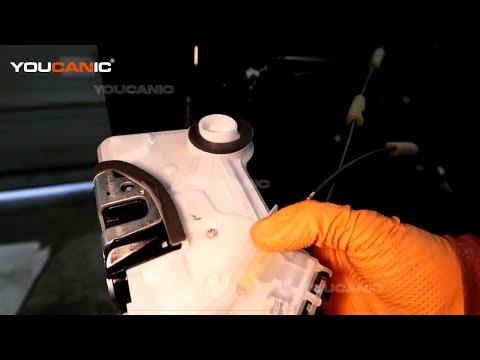
This repair replaces the front door lock actuator, which is the small electric motor and latch assembly that locks and unlocks the door. On your Highlander, the actuator is built into the front door latch assembly, so the inner door trim panel and moisture barrier must be removed to access it.
Difficulty Level: Intermediate | Estimated Time: 1.5-2.5 hours
⚠️ Safety & Precautions
- ⚠️ Disconnect the 12V battery before unplugging door wiring to avoid accidental short circuits.
- ⚠️ Your Highlander is a hybrid, but this repair does not require high-voltage battery service. Do not touch orange high-voltage cables.
- ⚠️ Be gentle with the front door trim panel. Plastic clips can break if pulled at an angle.
- ⚠️ Support the door glass if you loosen or move any window-related parts.
- ⚠️ Keep the key fob away from the vehicle while working so the locks do not cycle unexpectedly.
🔧 Required Tools
You'll need the following tools for this repair:
- 10mm socket
- Ratchet wrench
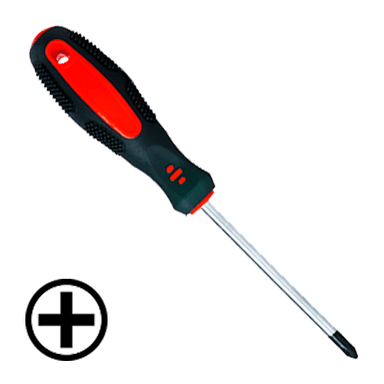
- Phillips #2 screwdriver
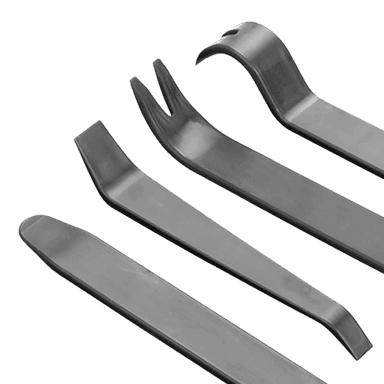
- Trim removal tool set
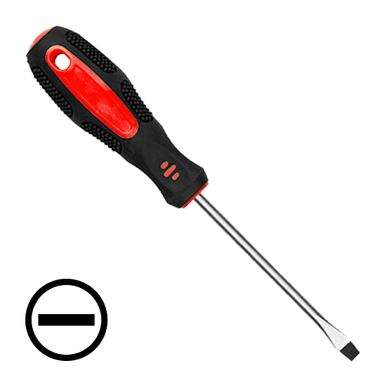
- Small flat-blade screwdriver
- Torx T30 driver
- Needle-nose pliers
- Plastic pick tool
- Painter’s tape
- Shop towel
- Work gloves
- Safety glasses
🔩 Required Parts
HowToo sells all the parts you need for this repair:
- Front door lock actuator/latch assembly - Qty: 1
- Door trim panel clips - Qty: As needed
- Butyl sealing tape - Qty: 1 roll
📋 Before You Begin
- Park your Highlander on level ground and set the parking brake.
- Lower the front window fully before starting. This gives you more room to work.
- Turn the vehicle OFF and keep the key fob away from the vehicle.
- Use a 10mm socket to disconnect the negative 12V battery cable. The 12V battery is in the rear cargo area on your Highlander.
- Wait at least 90 seconds after disconnecting the battery before unplugging door electrical connectors.
- Take phone pictures before unplugging rods.
🔨 Step-by-Step Instructions
Follow these steps in order:
Step 1: Protect the Door Trim
- Use painter’s tape around the inner door handle trim and switch panel edges to help prevent scratches.
- Put on safety glasses and work gloves.
- Place a shop towel on the door sill to protect painted surfaces.
Step 2: Remove the Front Door Switch Panel
- Use a trim removal tool to gently pry up the power window switch panel from the armrest.
- A trim removal tool is a plastic pry tool that helps lift panels without scratching them.
- Lift the switch panel just enough to access the connectors.
- Use your fingers or a small flat-blade screwdriver to press the connector locking tabs, then unplug the switch panel.
- Set the switch panel somewhere safe.
Step 3: Remove Hidden Door Panel Screws
- Use a small flat-blade screwdriver or plastic pick tool to open the small screw cover behind the inside door handle.
- Use a Phillips #2 screwdriver to remove the screw behind the inside door handle.
- Use a Phillips #2 screwdriver to remove the screw inside the armrest area where the switch panel was removed.
- Keep the screws in a cup so they do not get lost.
Step 4: Remove the Front Door Trim Panel
- Use a trim removal tool at the lower edge of the door panel to pop the trim clips loose.
- Work slowly around the bottom and sides of the panel.
- Once the clips are loose, lift the door panel straight upward to unhook it from the window ledge.
- Do not pull the panel far away yet. Wiring and handle cables may still be attached.
- Pull near clips, not panel edges.
Step 5: Disconnect Handle Cables and Door Wiring
- Use a small flat-blade screwdriver to release the plastic retainers for the inside handle cables.
- The handle cables are small cable links that connect the inside handle to the latch.
- Rotate the cable ends out of the handle lever slots by hand.
- Use a small flat-blade screwdriver to press any remaining connector tabs and unplug the door trim wiring.
- Remove the door trim panel and place it on a clean surface.
Step 6: Peel Back the Moisture Barrier
- Use a plastic pick tool and your fingers to slowly peel the clear plastic moisture barrier away from the door.
- The moisture barrier is the plastic sheet that keeps water inside the door shell from reaching the cabin.
- Do not tear it. You will reuse it.
- If the black sealer stretches, use a plastic pick tool to help separate it cleanly.
- If the sealer will not stick later, use butyl sealing tape during reassembly.
Step 7: Disconnect the Lock Rods and Cables at the Latch
- Look through the door access openings and locate the latch at the rear edge of the door.
- Use needle-nose pliers to rotate the plastic rod clips off the lock rods.
- A rod clip is a small plastic retainer that locks a metal rod to the latch lever.
- Slide the rods out of the latch levers by hand.
- Use a small flat-blade screwdriver to release any cable or connector retainers attached to the actuator/latch assembly.
- Unplug the actuator electrical connector by pressing the connector tab with your finger or small flat-blade screwdriver.
- Photo each rod before removal.
Step 8: Remove the Exterior Handle Link if Needed
- Some front door latch replacements require disconnecting the exterior handle link from the latch.
- Use a Torx T30 driver to loosen the access screw at the rear door edge only if the handle link blocks latch removal.
- Do not remove the screw completely unless required. It can fall inside the door.
- Use needle-nose pliers to unclip the exterior handle rod or cable from the latch if equipped.
Step 9: Remove the Actuator/Latch Assembly
- Open the door and locate the three latch screws on the rear edge of the door.
- Use a Torx T30 driver to remove the three latch screws.
- Support the latch with one hand through the door opening while removing the last screw.
- Guide the actuator/latch assembly out through the large access hole inside the door.
- Factory latch screw tightening specification during reassembly: Torque to 5.5 Nm (49 in-lbs).
Step 10: Transfer Any Brackets or Levers
- Compare the old and new front door lock actuator/latch assembly side by side.
- Use a Phillips #2 screwdriver, Torx T30 driver, or needle-nose pliers only if a small bracket, cable, or lever must be transferred.
- Make sure every rod clip and connector location matches the old unit before installation.
- Match parts before installing.
Step 11: Install the New Actuator/Latch Assembly
- Guide the new actuator/latch assembly into the door through the access opening.
- Align it with the latch screw holes at the rear edge of the door.
- Start the three latch screws by hand to avoid cross-threading.
- Use a Torx T30 driver to tighten the latch screws evenly.
- Final tighten the latch screws to Torque to 5.5 Nm (49 in-lbs).
Step 12: Reconnect Rods, Cables, and Electrical Connector
- Use your fingers to slide each lock rod back into its correct latch lever.
- Use needle-nose pliers to rotate each plastic rod clip closed until it snaps in place.
- Reconnect any handle cable ends by hand, then snap their plastic retainers into place.
- Plug in the actuator electrical connector until it clicks.
- Use a small flat-blade screwdriver only if needed to guide connector locks gently.
Step 13: Test Before Reinstalling the Door Panel
- Keep hands clear of the latch.
- Use a 10mm socket to temporarily reconnect the negative 12V battery cable.
- Close the latch manually with a screwdriver shaft or similar smooth tool, but do not slam the door.
- Use the key fob and inside lock switch to confirm the actuator locks and unlocks.
- Pull the inside and outside handles to confirm the latch releases correctly.
- Use a 10mm socket to disconnect the negative 12V battery cable again before final reassembly.
Step 14: Reseal the Moisture Barrier
- Press the moisture barrier back into the original black sealer by hand.
- Use butyl sealing tape where the original sealer is missing or no longer sticky.
- Make sure the lower edge is fully sealed so water cannot enter the cabin.
Step 15: Reinstall the Door Trim Panel
- Reconnect the inside handle cables by hand.
- Reconnect all door trim electrical connectors until they click.
- Hang the top of the trim panel over the window ledge.
- Line up the trim clips with the holes in the door.
- Press around the panel by hand until all clips snap in place.
- If a clip is broken, replace it with a new door trim panel clip.
Step 16: Reinstall Screws and Switch Panel
- Use a Phillips #2 screwdriver to reinstall the screw behind the inside door handle.
- Use a Phillips #2 screwdriver to reinstall the screw in the armrest area.
- Snap the screw cover closed by hand.
- Plug the power window switch panel connector back in by hand.
- Press the switch panel down until it snaps into place.
Step 17: Reconnect the Battery
- Use a 10mm socket to reconnect the negative 12V battery cable.
- Tighten the terminal snugly. Do not overtighten it.
- If using a torque wrench, tighten the 12V battery terminal nut to Torque to 5.4 Nm (48 in-lbs).
✅ After Repair
- ✅ Test lock and unlock operation using the key fob, inside lock switch, and mechanical key.
- ✅ Test the inside and outside door handles several times before driving.
- ✅ Confirm the door opens, closes, latches, and locks smoothly.
- ✅ Reinitialize the auto window if needed: turn the vehicle ON, fully close the window using the switch, then hold the switch up for about 2 seconds.
- ✅ Check that the door ajar warning turns off when the door is closed.
- ✅ Listen for rattles during a short test drive. If you hear one, a rod clip or trim clip may not be fully seated.
💰 DIY vs Shop Cost
Shop Cost: $350-$650 (parts + labor)
DIY Cost: $120-$300 (parts only)
You Save: $230-$350 by doing it yourself!
Shop labor rates vary but typically run $100-$150/hour. This repair takes a shop approximately 1.2-2.0 hours.
🎯 Ready to get started?
HowToo makes it easy: same-day/2-day shipping on every part, plus all the tools and specialty tools you need! Check out the parts and tools sections below to add everything to your cart.