

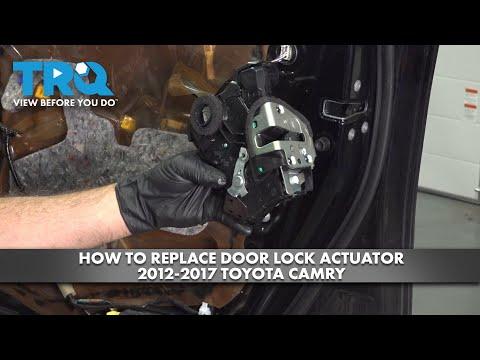





How to Replace the Front Door Lock Actuator on a 2013 Toyota Camry
Step-by-step DIY guide with tools, parts list, torque specs, safety tips, and testing instructions for 2007, 2008, 2009, 2010, 2011, 2012, 2013, 2014, 2015, 2016, 2017
How to Replace the Front Door Lock Actuator on a 2013 Toyota Camry
Step-by-step DIY guide with tools, parts list, torque specs, safety tips, and testing instructions for 2007, 2008, 2009, 2010, 2011, 2012, 2013, 2014, 2015, 2016, 2017


🔧 Camry - Front Door Lock Actuator Replacement
You’ll be removing the inner door panel, unbolting the door latch/actuator assembly, and swapping in a new actuator. The procedure is almost the same for the left and right front doors; just mirror the steps for the other side.
Difficulty Level: Intermediate | Estimated Time: 1.5–2.5 hours per door
⚠️ Safety & Precautions
- ⚠️ Turn ignition off, remove the key, and keep the window fully up before starting.
- ⚠️ Do not press power window or lock switches while the door panel is removed.
- ⚠️ Be careful of the side airbag wiring in the door; do not pull sharply on the door panel.
- ⚠️ Use plastic trim tools to avoid cracking panels or scratching paint.
- ⚠️ If you are nervous about electrical connectors, you may disconnect the negative battery terminal with a 10mm wrench after opening the door, but it is not strictly required for this job.
🔧 Required Tools
You'll need the following tools for this repair:
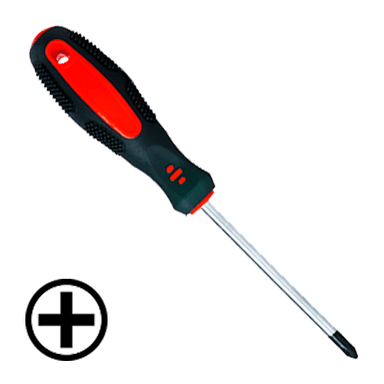
- 🧰 Phillips #2 screwdriver
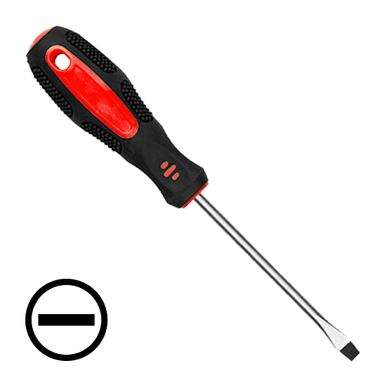
- 🧰 Flathead screwdriver (small)
- 🧰 10mm socket
- 🧰 1/4" drive ratchet
- 🧰 1/4" drive extension (3–6")
- 🧰 Torx T30 screwdriver or bit
- 🧰 Plastic trim removal tool set
- 🧰 Panel clip removal tool
- 🧰 Needle-nose pliers
- 🧰 Pick tool or small hook tool
- 🧰 Torque wrench (inch-pound or low-range ft-lb)
- 🧰 Work light or headlamp
- 🧰 Mechanic gloves
- 🧰 Safety glasses
🔩 Required Parts
HowToo sells all the parts you need for this repair:
- 🔩 Front door lock actuator with latch assembly (left or right, as needed) - Qty: 1 per door
- 🔩 Front door panel clips - Qty: 6–10 (optional but recommended)
- 🔩 Butyl sealant or waterproof tape for vapor barrier - Qty: 1 roll
- 🔩 White lithium grease (spray or tube) - Qty: 1
- 🔩 Electrical contact cleaner - Qty: 1 (optional)
📋 Before You Begin
- Park the Camry on level ground, in “P”, with the parking brake set.
- Roll the front window fully up on the door you’re working on.
- Unlock all doors so you can easily open and close them during testing.
- If you choose to disconnect the battery, open the door first, then remove the negative terminal using a 10mm wrench.
🔨 Step-by-Step Instructions
Follow these steps in order:
Step 1: Remove trim pieces hiding screws
- Use a plastic trim removal tool to gently pry off the small plastic cover behind the interior door handle (it hides a screw).
- Use the plastic trim removal tool to lift up the small trim piece at the front of the armrest/pull handle to expose another screw.
- If there is a small rubber mat in the pull pocket, lift it out with a flathead screwdriver (small) to check for a hidden screw.
Step 2: Remove door panel screws
- Use a Phillips #2 screwdriver to remove the screw behind the interior handle.
- Use the Phillips #2 screwdriver to remove the screw in the armrest/pull handle area.
- Place the screws in a small container so you don’t lose them.
- Torque for reinstallation: Tighten these screws to about 7 N·m (62 in-lb, ~5 ft-lb) later.
Step 3: Pop off the window switch panel
- Starting at the rear edge, use a plastic trim removal tool to pry up the window switch panel on the armrest.
- Lift it gently and flip it over to access the electrical connectors.
- Press each connector’s locking tab with a flathead screwdriver (small) and pull the connector straight out by hand.
Step 4: Remove the door panel
- Starting at the bottom of the panel, slide a plastic trim removal tool between the door panel and metal door frame.
- Pry until you feel a clip pop. There are several clips around the edges.
- Work your way along the bottom and sides, popping all clips with the panel clip removal tool or trim tool.
- Once loose, lift the door panel straight up to unhook it from the top edge at the window.
- Support the panel and disconnect the door courtesy light connector using your fingers or a flathead screwdriver (small).
- Set the panel aside somewhere clean and soft.
Step 5: Remove the interior handle cable
- Behind where the interior handle sits, you’ll see a black or green cable going to the latch.
- Use needle-nose pliers to gently unclip the cable housing from the plastic bracket on the handle area.
- Rotate the cable and unhook the cable end from the handle lever by hand.
- Take a photo so you remember routing.
Step 6: Peel back the plastic vapor barrier
- The thin plastic sheet on the door is the vapor barrier; it keeps moisture out of the cabin.
- Use your hands (and a plastic trim removal tool if needed) to carefully peel it back near the latch area.
- Do not tear it; just pull enough back to access the latch and rods.
- If the butyl adhesive is not sticky later, you’ll use new butyl or tape to reseal.
Step 7: Disconnect lock and handle rods
- Inside the door, locate the metal rods going to the exterior handle and lock knob.
- Each rod is held into the latch by a small plastic clip.
- Use a pick tool or small hook tool to gently swing the plastic clip open.
- Once the clip is open, lift the rod straight out of its hole by hand.
- Do not force the rods; they bend easily.
Step 8: Unplug the actuator connector
- Find the electrical connector on the door lock actuator assembly near the latch.
- Press the tab with a flathead screwdriver (small) and pull the connector straight out by hand.
- If it’s dirty or corroded, spray lightly with electrical contact cleaner and let it dry.
Step 9: Unbolt the latch/actuator from the door edge
- Open the door and look at the trailing edge where the latch hooks the striker.
- You’ll see three screws or bolts holding the latch/actuator assembly.
- Use a Torx T30 screwdriver or bit to remove these three fasteners.
- Support the latch from inside the door with your other hand as you remove the last screw.
- Torque for reinstallation: Tighten these screws to 7.5 N·m (66 in-lb, ~5.5 ft-lb).
Step 10: Remove the latch/actuator assembly from the door
- From inside the door, maneuver the latch/actuator assembly downward and outward.
- Feed it out through the opening in the inner door skin, being careful of the rods and cables.
- Rotate slightly to clear the window guide rail.
Step 11: Separate actuator from latch (if not integrated)
- On many Camry units, the actuator is built into the latch assembly. If you bought the full latch with actuator, skip to Step 12.
- If your replacement is actuator-only, place the old assembly on a bench.
- Use a Phillips #2 screwdriver to remove any screws holding the actuator to the latch body.
- Unclip any plastic tabs with a flathead screwdriver (small) and separate the old actuator.
- Install the new actuator onto the latch in the same orientation and reinstall the screws, tightening snugly by hand.
Step 12: Install the new latch/actuator assembly
- Lightly lubricate the latch mechanism with white lithium grease (avoid getting grease on electrical parts).
- Maneuver the new assembly into the door, feeding the rods and cable into their original paths.
- Align the latch with the three mounting holes on the door edge.
- Install the three latch screws with a Torx T30 screwdriver or bit by hand first so they don’t cross-thread.
- Torque the screws to 7.5 N·m (66 in-lb, ~5.5 ft-lb) using a torque wrench.
Step 13: Reconnect rods and cables
- Insert each metal rod back into its hole on the latch by hand.
- Rotate the plastic clips back over the rods and snap them fully closed using your fingers or needle-nose pliers.
- Reattach the interior handle cable to the handle area: hook the cable end into the lever, then clip the cable housing back into its bracket by hand.
- Compare with your reference photo for correct routing.
Step 14: Plug in the actuator and test before closing up
- Reconnect the actuator’s electrical connector by hand until it clicks.
- If you disconnected the battery, reconnect the negative terminal with a 10mm wrench now.
- With the door still bare (no panel), close the door gently until it latches.
- Use the key fob and the interior lock switch to lock and unlock the door several times.
- Check that:
- The lock knob moves fully up and down.
- The interior handle opens the door when unlocked.
- The exterior handle opens the door when unlocked.
- If anything does not work, reopen the door and recheck rod clips, cable routing, and the connector.
Step 15: Reinstall the vapor barrier
- Press the plastic vapor barrier back into place with your hands.
- If the original butyl is not sticky enough, apply fresh butyl sealant or waterproof tape around the edges.
- Make sure there are no large gaps where moisture can pass through.
Step 16: Reinstall the door panel
- Reconnect the courtesy light connector by hand at the bottom of the panel.
- Hook the top of the door panel over the window ledge and press down to seat it.
- Align all the plastic clips with their holes.
- Use your hands to firmly smack around the edges of the panel to pop all clips in. Replace any broken clips with new ones beforehand.
Step 17: Reinstall screws and switch panel
- Reinstall the door panel screws using a Phillips #2 screwdriver in the armrest and behind the interior handle.
- Torque them to about 7 N·m (62 in-lb, ~5 ft-lb) with a torque wrench if available, or snug plus a small turn by hand.
- Reconnect the window switch connectors by hand until they click.
- Snap the switch panel back into the armrest using your hands.
- Reinstall any small trim covers using your fingers.
Step 18: Final functional check
- From inside, test:
- Power lock switch lock/unlock.
- Interior handle opening when unlocked.
- Manual lock knob movement.
- From outside, test:
- Key fob lock/unlock.
- Exterior handle opening when unlocked.
- Verify the window goes up and down smoothly and does not rub the door panel.
✅ After Repair
- 🔎 Drive slowly in a quiet area and listen for any new rattles from the repaired door; if you hear any, recheck panel clips and screws.
- 🔑 Test all functions again after a few trips: remote lock/unlock, key in the door (if equipped), interior lock switch, and child safety locks on the rear doors if you worked on them later.
- 📱 If you disconnected the battery, reset your clock and radio presets.
💰 DIY vs Shop Cost
Shop Cost: $350–$550 per front door (parts + labor)
DIY Cost: $70–$160 per front door (parts + basic supplies)
You Save: $190–$380 per door by doing it yourself!
Shop labor rates typically run $100–$150/hour. This repair takes a shop about 1.3–1.7 hours per door.
🎯 Ready to get started?
HowToo makes it easy: same-day/2-day shipping on every part, plus all the tools and specialty tools you need! Check out the parts and tools sections above to add everything to your cart.