

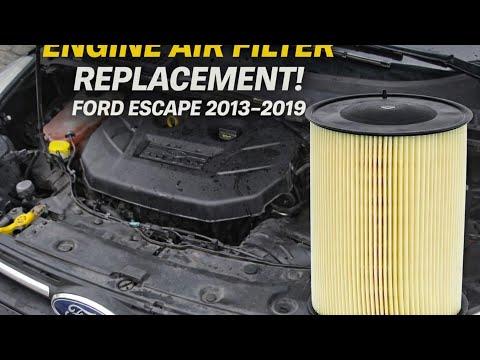





How to Replace the Engine Air Filter on a 2013-2019 Ford Escape (Engine: Inline 4 2.5L)
Step-by-step DIY guide with required tools, filter installation tips, and safety checks for 2013, 2014, 2015, 2016, 2017, 2018, 2019
How to Replace the Engine Air Filter on a 2013-2019 Ford Escape (Engine: Inline 4 2.5L)
Step-by-step DIY guide with required tools, filter installation tips, and safety checks for 2013, 2014, 2015, 2016, 2017, 2018, 2019


🔧 Escape - Engine Air Filter Replacement
Replacing the engine air filter on your Escape helps the 2.5L engine breathe clean air, which supports good fuel economy and smooth acceleration. This is a great beginner repair because it does not require lifting the vehicle or removing major parts.
Difficulty Level: Beginner | Estimated Time: 10-20 minutes
⚠️ Safety & Precautions
- ⚠️ Park your Escape on a flat surface and turn the engine off before starting.
- ⚠️ Let the engine cool if it was recently driven, because nearby parts can be hot.
- ⚠️ Keep loose clothing, jewelry, and hair away from the engine bay.
- ⚠️ Battery disconnect is not required for this repair.
🔧 Required Tools
You'll need the following tools for this repair:
- 8mm socket
- 1/4-inch drive ratchet
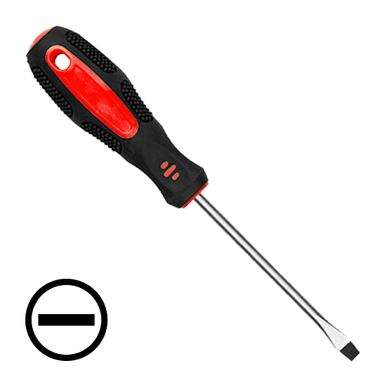
- Flat-blade screwdriver
- Clean shop towel
- Safety glasses
- Nitrile gloves
🔩 Required Parts
HowToo sells all the parts you need for this repair:
- Engine air filter - Qty: 1
📋 Before You Begin
- 🚗 Place your Escape in Park on level ground and set the parking brake.
- 🔑 Turn the ignition completely off and remove the key.
- 🧤 Put on safety glasses and nitrile gloves.
- 📦 Open the new filter box and compare it to the old filter before final installation.
🔨 Step-by-Step Instructions
Follow these steps in order:
Step 1: Open the Hood
- Use your hand to pull the hood release handle inside the cabin near the driver-side lower dash.
- Move to the front of your Escape and release the secondary hood latch with your fingers.
- Raise the hood and secure it with the hood prop rod if equipped.
- Tip: Work only on a cool engine.
Step 2: Find the Air Filter Box
- Use your eyes to locate the black plastic air filter box on the driver-side area of the engine bay.
- The air filter box connects to a large black intake tube that runs toward the engine.
- The intake tube is the plastic duct that carries filtered air into the engine.
Step 3: Loosen the Intake Tube Clamp
- Use an 8mm socket and 1/4-inch drive ratchet to loosen the clamp at the air filter box outlet.
- A clamp is a metal band that tightens around the intake tube to hold it in place.
- You do not need to remove the clamp completely; loosen it just enough so the tube can move slightly.
- If the clamp uses a slotted screw head, use a flat-blade screwdriver instead.
Step 4: Release the Air Filter Box Cover
- Use your hands to release the metal or plastic retaining clips on the air filter box cover.
- If a clip is stiff, use a flat-blade screwdriver gently to help pop it loose.
- Do not pry hard on the plastic cover, because it can crack.
- No torque spec applies to the retaining clips because they snap into place by hand.
Step 5: Lift the Cover and Remove the Old Filter
- Use your hands to lift the air filter box cover just high enough to access the filter.
- Remove the old engine air filter by pulling it straight up and out.
- Look at the direction and shape of the old filter before removing it fully.
- Tip: Take a quick photo first.
Step 6: Clean the Air Filter Box
- Use a clean shop towel to wipe loose dust, leaves, or grit from the lower air filter box.
- Do not let dirt fall into the intake tube opening.
- Do not use compressed air unless the intake tube is covered, because debris can be blown toward the engine.
Step 7: Install the New Engine Air Filter
- Use your hands to place the new engine air filter into the lower air box.
- Make sure the rubber sealing edge sits flat all the way around.
- The filter should drop into place without force.
- If the cover will not close easily, remove the filter and reseat it.
Step 8: Reinstall the Air Filter Box Cover
- Use your hands to lower the cover squarely onto the air filter box.
- Make sure the rear tabs are seated correctly before snapping the front clips closed.
- Use your hands to secure all retaining clips until they click into place.
- No torque spec applies to these clips because they are hand-secured.
Step 9: Tighten the Intake Tube Clamp
- Use an 8mm socket and 1/4-inch drive ratchet to tighten the intake tube clamp.
- If your clamp uses a slotted screw head, use a flat-blade screwdriver.
- Tighten the clamp snug only; do not overtighten and damage the plastic air box.
- Torque to snug hand-tight only
Step 10: Final Visual Check
- Use your eyes and hands to confirm the air filter box cover is fully closed.
- Check that every clip is latched.
- Check that the intake tube is fully seated and the clamp is secure.
- Remove all tools and towels from the engine bay before closing the hood.
✅ After Repair
- ✅ Start your Escape and let it idle for about 30 seconds.
- ✅ Listen for hissing or whistling near the air filter box, which can mean the cover or intake tube is not sealed.
- ✅ If the engine runs normally and no warning lights appear, the repair is complete.
- ✅ No scan tool reset or infotainment reset is required for the engine air filter.
💰 DIY vs Shop Cost
Shop Cost: $60-$120 parts + labor
DIY Cost: $15-$35 parts only
You Save: $45-$85 by doing it yourself!
Shop labor rates vary but typically run $100-$150/hour. This repair takes a shop approximately 0.2-0.4 hours.
🎯 Ready to get started?
HowToo makes it easy: same-day/2-day shipping on every part, plus all the tools and specialty tools you need! Check out the parts and tools sections below to add everything to your cart.