






How to Replace the Cabin Air Filter on a 2013-2019 Ford Escape
Step-by-step DIY guide with glove box access, tools, parts, and safety tips for 2013, 2014, 2015, 2016, 2017, 2018, 2019
How to Replace the Cabin Air Filter on a 2013-2019 Ford Escape
Step-by-step DIY guide with glove box access, tools, parts, and safety tips for 2013, 2014, 2015, 2016, 2017, 2018, 2019


🔧 Escape - Cabin Air Filter Replacement
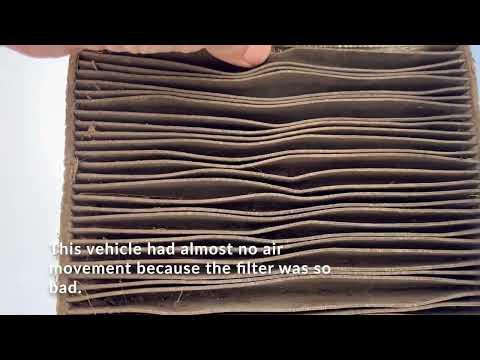
The cabin air filter cleans the air coming through your heater and A/C vents. On your Escape, it is accessed from the passenger-side lower dash/glove box area and is a good beginner DIY job.
Difficulty Level: Beginner | Estimated Time: 15-30 minutes
⚠️ Safety & Precautions
- ⚠️ Turn the ignition off before working under the dash.
- ⚠️ Do not force plastic panels; the tabs can break if pulled at the wrong angle.
- ⚠️ If using a screwdriver near trim, use light pressure to avoid scratching the interior.
- ⚠️ Battery disconnect is not required for this repair.
🔧 Required Tools
You'll need the following tools for this repair:
- 7mm socket
- 1/4-inch ratchet
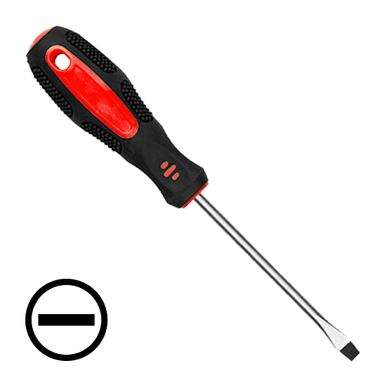
- Small flat-blade screwdriver
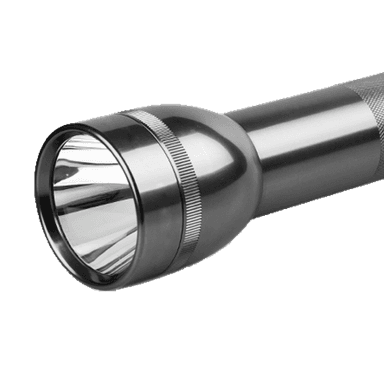
- Flashlight
- Nitrile gloves
- Safety glasses
🔩 Required Parts
HowToo sells all the parts you need for this repair:
- Cabin air filter - Qty: 1
📋 Before You Begin
- Park your Escape on level ground.
- Turn the ignition off and remove the key.
- Move the front passenger seat fully rearward for more room.
- Empty the glove box so items do not fall out.
- A ratchet is a small handle that turns sockets in tight spaces.
- A flat-blade screwdriver has a straight tip and can gently release clips.
🔨 Step-by-Step Instructions
Follow these steps in order:
Step 1: Open and Empty the Glove Box
- Open the glove box fully by hand.
- Remove all items from inside the glove box.
- Use a flashlight to look along the sides and rear of the glove box opening.
- Keep screws in a cup.
Step 2: Lower the Glove Box
- Press inward on both sides of the glove box by hand to clear the side stops.
- Let the glove box swing downward slowly.
- If your Escape has a glove box damper cord, use a small flat-blade screwdriver to gently unclip it from the side of the glove box.
- A damper cord is a small strap that slows the glove box as it opens.
Step 3: Remove the Cabin Filter Access Cover
- Use a flashlight to locate the narrow rectangular cabin filter cover behind the glove box area.
- Use a 7mm socket and 1/4-inch ratchet to remove the retaining screw if equipped.
- Use your fingers or a small flat-blade screwdriver to release the plastic tab on the filter cover.
- Pull the cover straight off and set it aside.
Step 4: Remove the Old Cabin Air Filter
- Use your fingers to grip the edge of the old cabin air filter.
- Pull the filter straight out of the housing.
- Note the airflow arrow direction printed on the old filter before removing it completely.
- If debris falls out, use gloved hands to remove leaves or large dirt from the opening.
- Do not push dirt into the blower.
Step 5: Install the New Cabin Air Filter
- Compare the new cabin air filter to the old one by hand to make sure the shape matches.
- Position the new filter with the airflow arrow pointing the same direction as the old filter.
- Slide the new filter into the housing by hand.
- Keep the filter straight so it does not fold or crush.
- No torque spec is required because the filter slides in by hand.
Step 6: Reinstall the Filter Cover
- Place the cabin filter access cover back onto the housing by hand.
- Press until the plastic tab clicks into place.
- If equipped, use a 7mm socket and 1/4-inch ratchet to reinstall the retaining screw snugly.
- Torque to snug only, about 1-2 Nm (9-18 in-lbs)
- Plastic screws strip easily.
Step 7: Raise the Glove Box
- If removed, reconnect the glove box damper cord by hand.
- Lift the glove box upward by hand.
- Press inward on both sides of the glove box and guide the side stops back past the dash opening.
- Open and close the glove box once to make sure it moves normally.
✅ After Repair
- ✅ Start your Escape and turn the blower fan on low, then high.
- ✅ Check that air comes smoothly from the vents.
- ✅ Listen for rattles or a flapping sound, which can mean the filter is not seated flat.
- ✅ If airflow still smells musty, the A/C evaporator case may need cleaning.
- ✅ Replace the cabin air filter about every 12,000-15,000 miles, or sooner in dusty conditions.
💰 DIY vs Shop Cost
Shop Cost: $70-$130 (parts + labor)
DIY Cost: $15-$35 (parts only)
You Save: $55-$95 by doing it yourself!
Shop labor rates vary but typically run $100-$150/hour. This repair takes a shop approximately 0.2-0.4 hours.
🎯 Ready to get started?
HowToo makes it easy: same-day/2-day shipping on every part, plus all the tools and specialty tools you need! Check out the parts and tools sections below to add everything to your cart.