


How to Replace the Cabin Air Filter (Microfilter) on a 2016 BMW X1
Step-by-step under-glovebox filter replacement with tools, parts list, safety tips, and torque specs for 2016, 2020, 2021, 2022
How to Replace the Cabin Air Filter (Microfilter) on a 2016 BMW X1
Step-by-step under-glovebox filter replacement with tools, parts list, safety tips, and torque specs for 2016, 2020, 2021, 2022


🔧 X1 - Cabin Air Filter Replacement
Your X1’s cabin air filter (also called the microfilter) cleans the air going into the HVAC system. Replacing it helps your A/C blow stronger, reduces musty smells, and keeps dust/pollen out of the cabin.
Difficulty Level: Beginner | Estimated Time: 0.5-1.0 hours
Assumption: This is the common under-glovebox microfilter setup used on the X1.
⚠️ Safety & Precautions
- ⚠️ Turn ignition OFF and remove the key/fob from the cabin before working under the dash.
- ⚠️ Use a flashlight and move slowly—wiring/connectors are easy to tug by accident.
- ⚠️ Do not force plastic trim; cold plastic cracks easier.
- ⚠️ Battery disconnect is not required for this job if you avoid unplugging airbag-related connectors.
🔧 Required Tools
You'll need the following tools for this repair:
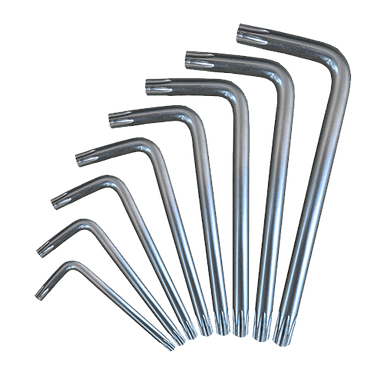
- Torx T20 screwdriver
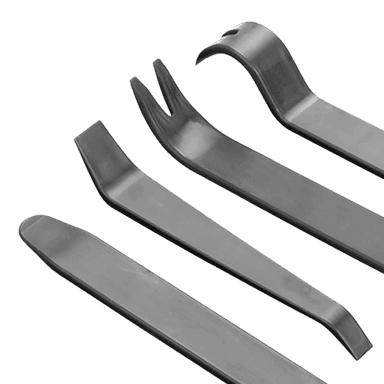
- Trim removal tool (plastic) (specialty)
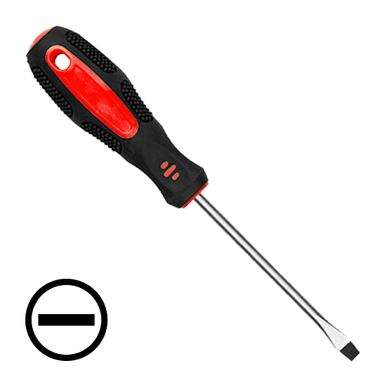
- Small flathead screwdriver
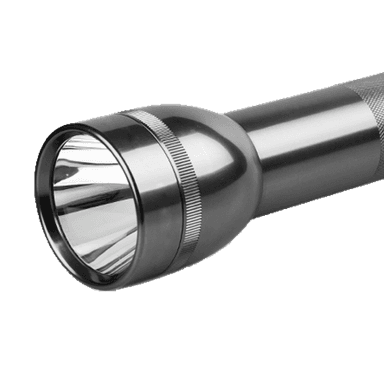
- Flashlight
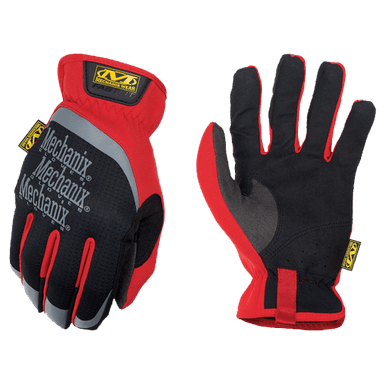
- Work gloves
- Safety glasses
🔩 Required Parts
HowToo sells all the parts you need for this repair:
- Cabin air filter (microfilter) - Qty: 1
- Optional activated charcoal cabin air filter - Qty: 1
📋 Before You Begin
- Park on level ground, set the parking brake, and open the passenger door wide for room.
- Move the passenger seat all the way back to give yourself working space.
- Have your flashlight ready—you’ll be working in the passenger footwell.
🔨 Step-by-Step Instructions
Follow these steps in order:
Step 1: Clear access under the glovebox
- Slide the passenger seat back by hand using the seat controls.
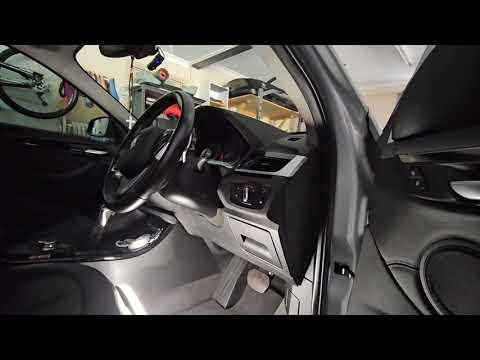
- Use a flashlight to locate the under-dash/footwell trim panel below the glovebox.
Step 2: Remove the passenger footwell under-panel
- Use a Torx T20 screwdriver to remove the visible screws holding the lower panel in place.
- Use a trim removal tool (plastic) (specialty) to gently pop any clips loose. A trim tool is a plastic pry tool that helps remove panels without scratching.
- Lower the panel carefully. If there’s a footwell light connector, use a small flathead screwdriver to release the tab and unplug it gently (only if needed to fully remove the panel).
Step 3: Find the cabin filter housing
- Use the flashlight to look up behind/under the glovebox area for a rectangular filter cover (this is the microfilter door).
- Look for small locking tabs or a sliding latch on the cover.
Step 4: Remove the filter cover
- Release the cover tabs by hand. If tight, gently help the tab with a small flathead screwdriver (do not pry hard).
- Remove the cover and set it aside where it won’t get stepped on.
Step 5: Remove the old cabin filter
- Pull the old filter straight out.
- Wear work gloves—the filter can drop dust and debris.
- Tip: Note the airflow arrow direction first.
Step 6: Install the new cabin filter
- Compare the new filter to the old one to confirm same size and shape.
- Install the new filter in the same orientation as the old one (match the airflow arrow on the filter frame).
- Push it in evenly so it seats flat and does not fold or buckle.
Step 7: Reinstall the filter cover
- Reinstall the cover by hand until the tabs click/lock.
- If your cover uses screws, install them with a Torx T20 screwdriver and tighten snugly (do not over-tighten). Torque to 2 Nm (18 in-lbs) if using a torque tool.
Step 8: Reinstall the under-dash panel
- If you unplugged a light, reconnect it until it clicks.
- Lift the panel into place and align the clips.
- Use a trim removal tool (plastic) (specialty) to help guide clips into position (push by hand to seat).
- Install and tighten screws with a Torx T20 screwdriver. Torque to 2 Nm (18 in-lbs).
✅ After Repair
- Start the engine and run the blower on medium/high for 30 seconds.
- Cycle HVAC modes (face/feet/defrost) and make sure airflow sounds normal (no loud fluttering).
- If you notice a whistle, recheck that the filter is fully seated and the cover is fully latched.
💰 DIY vs Shop Cost
Shop Cost: $120-$220 (parts + labor)
DIY Cost: $25-$60 (parts only)
You Save: $60-$195 by doing it yourself!
Shop labor rates vary but typically run $100-$150/hour. This repair takes a shop approximately 0.5-1.0 hours.
🎯 Ready to get started?
HowToo makes it easy: same-day/2-day shipping on every part, plus all the tools and specialty tools you need! Check out the parts and tools sections below to add everything to your cart.