






How to Replace the Battery on a 2009-2026 Chevrolet Traverse (Engine: V6 3.6L)
Step-by-step guide with battery location, tools, torque specs, safety tips, and reset steps for 2009, 2010, 2011, 2012, 2013, 2014, 2015, 2016, 2017, 2018, 2019, 2020, 2021, 2022, 2023
How to Replace the Battery on a 2009-2026 Chevrolet Traverse (Engine: V6 3.6L)
Step-by-step guide with battery location, tools, torque specs, safety tips, and reset steps for 2009, 2010, 2011, 2012, 2013, 2014, 2015, 2016, 2017, 2018, 2019, 2020, 2021, 2022, 2023


🔧 Traverse - Battery Replacement
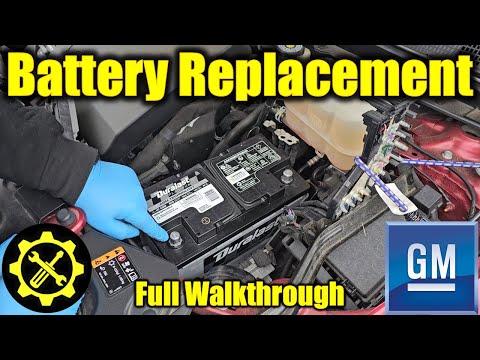
Replacing the 12-volt battery on your Traverse restores reliable starting power and helps prevent low-voltage electrical problems. The battery is located under the floor behind the front passenger seat area, not under the hood.
Difficulty Level: Beginner | Estimated Time: 30-60 minutes
⚠️ Safety & Precautions
- ⚠️ Wear safety glasses and gloves. Car batteries can leak acid and release explosive gas.
- ⚠️ Always remove the negative cable first and install it last. This lowers the chance of sparks.
- ⚠️ Do not touch a wrench between the positive terminal and any metal body part.
- ⚠️ Keep the key fob away from the vehicle while working so systems do not wake up unexpectedly.
- ⚠️ The battery is heavy. Lift with both hands and keep it upright.
- ⚠️ Battery disconnect is required for this repair.
🔧 Required Tools
You'll need the following tools for this repair:
- 10mm socket
- 13mm socket
- 3/8-inch ratchet
- 3/8-inch extension
- Battery terminal puller (specialty)
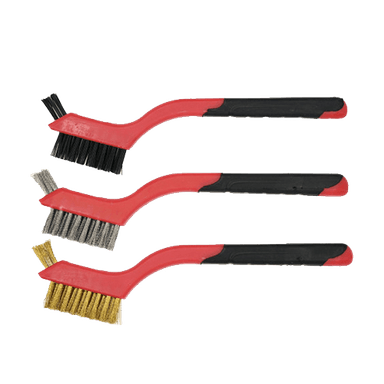
- Battery terminal cleaning brush
- Torque wrench rated 5-50 Nm
- Trim removal tool
- Memory saver 12V OBD-II (optional specialty)
- Nitrile gloves
- Safety glasses
🔩 Required Parts
HowToo sells all the parts you need for this repair:
- AGM 12V battery - Qty: 1
- Battery terminal protectant - Qty: 1
- Battery hold-down hardware - Qty: 1, if corroded or damaged
📋 Before You Begin
- 🚗 Park your Traverse on level ground, shift to Park, and set the parking brake.
- 🔑 Turn the ignition off and remove the key fob from the vehicle.
- ⏱️ Open a door, then wait at least 3 minutes before disconnecting the battery so vehicle modules can go to sleep.
- 💾 A memory saver is a small power supply that plugs into the OBD-II port to help retain clock, radio, and learned settings. It is optional.
- 📍 The battery is under the floor behind the front passenger seat area. Move the front passenger seat fully forward before starting.
🔨 Step-by-Step Instructions
Follow these steps in order:
Step 1: Access the Battery
- Use the seat controls to move the front passenger seat fully forward.
- Use your hands and a trim removal tool to lift the rear floor mat or floor covering behind the front passenger seat.
- Use the trim removal tool to remove the battery access cover if it is clipped in place.
- Take a photo first.
Step 2: Identify the Battery Cables
- Find the negative cable marked with a minus sign or black color.
- Find the positive cable marked with a plus sign or red cover.
- Do not remove the positive cable first.
Step 3: Disconnect the Negative Cable
- Use a 10mm socket, 3/8-inch ratchet, and 3/8-inch extension to loosen the negative terminal nut.
- Lift the negative cable off the battery post.
- If the cable is stuck, use a battery terminal puller. A terminal puller gently lifts the cable clamp without bending it.
- Move the negative cable aside so it cannot touch the battery post.
Step 4: Disconnect the Positive Cable
- Open the red positive terminal cover by hand.
- Use a 10mm socket, 3/8-inch ratchet, and 3/8-inch extension to loosen the positive terminal nut.
- Lift the positive cable off the battery post.
- Keep the positive cable away from metal body parts.
Step 5: Remove the Battery Hold-Down
- Use a 13mm socket, 3/8-inch ratchet, and 3/8-inch extension to remove the battery hold-down bolt or clamp.
- Set the hold-down hardware aside in a safe spot.
- The hold-down keeps the battery from moving during braking and turns.
Step 6: Remove the Old Battery
- Use both hands to lift the battery straight up and out of the tray.
- Keep the battery upright at all times.
- Place it on cardboard or the ground, not on a seat or carpet.
- Batteries are heavier than they look.
Step 7: Clean the Terminals and Tray
- Use a battery terminal cleaning brush to clean the inside of both cable clamps.
- Use the same brush to lightly clean the new battery posts if needed.
- Use gloves and safety glasses during cleaning.
- If you see white or blue crust, that is corrosion. Avoid touching it with bare hands.
Step 8: Install the New Battery
- Use both hands to lower the new AGM 12V battery into the tray.
- Make sure the positive and negative posts are positioned the same way as the old battery.
- Use the 13mm socket, 3/8-inch ratchet, and torque wrench to reinstall the battery hold-down.
- Torque to 25 Nm (18 ft-lbs)
Step 9: Connect the Positive Cable First
- Push the positive cable fully down onto the positive battery post.
- Use a 10mm socket, 3/8-inch ratchet, and torque wrench to tighten the terminal nut.
- Torque to 6 Nm (53 in-lbs)
- Close the red positive terminal cover by hand.
Step 10: Connect the Negative Cable Last
- Push the negative cable fully down onto the negative battery post.
- Use a 10mm socket, 3/8-inch ratchet, and torque wrench to tighten the terminal nut.
- Torque to 6 Nm (53 in-lbs)
- Apply battery terminal protectant to both terminals after tightening.
Step 11: Reinstall the Battery Cover and Floor Trim
- Use your hands to reinstall the battery access cover.
- Use the trim removal tool only if needed to guide clips into place.
- Reposition the floor covering and mat behind the passenger seat.
- Move the passenger seat back to its normal position.
Step 12: Reset Basic Vehicle Functions
- Use the key fob to unlock the doors.
- Start your Traverse and let it idle for 2-3 minutes.
- Use the infotainment screen to reset the clock if needed: Settings > Time and Date
- Use the driver window switch to relearn auto-up if needed: hold the window switch down until fully open, then hold it up until fully closed, then keep holding for 2 seconds.
✅ After Repair
- ✅ Confirm the engine starts normally without slow cranking.
- ✅ Check that the battery warning light turns off after starting.
- ✅ Make sure both battery terminals are tight and do not twist by hand.
- ✅ Verify the hold-down is secure so the battery cannot slide or lift.
- ✅ Drive normally for 10-15 minutes so the vehicle can relearn idle and charging behavior.
- ♻️ Recycle the old battery at an auto parts store or battery recycler.
💰 DIY vs Shop Cost
Shop Cost: $300-$500 (parts + labor)
DIY Cost: $180-$320 (parts only)
You Save: $120-$180 by doing it yourself!
Shop labor rates vary but typically run $100-$150/hour. This repair takes a shop approximately 0.5-1.0 hour.
🎯 Ready to get started?
HowToo makes it easy: same-day/2-day shipping on every part, plus all the tools and specialty tools you need! Check out the parts and tools sections below to add everything to your cart.