

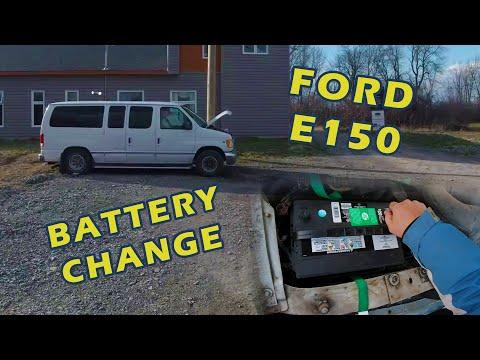





How to Replace the Battery on a 2004 Ford E-150 (Step-by-Step DIY Guide)
Tools, parts, safety tips, and torque specs for terminals and hold-down to prevent no-start issues for 2003
How to Replace the Battery on a 2004 Ford E-150 (Step-by-Step DIY Guide)
Tools, parts, safety tips, and torque specs for terminals and hold-down to prevent no-start issues for 2003


🔧 E-150 - Battery Replacement
Replacing the battery on your E-150 is a straightforward job: you’ll remove the old battery, clean the cable ends, and install a new one. Doing it correctly prevents no-start issues and protects the van’s electrical system.
Difficulty Level: Beginner | Estimated Time: 0.5-1.0 hours
⚠️ Safety & Precautions
- ⚠️ Turn the key OFF and remove it before starting.
- ⚠️ Wear eye protection—battery acid is corrosive.
- ⚠️ Disconnect the negative (-) cable first and reconnect it last to reduce short-circuit risk.
- ⚠️ Do not let a tool touch the battery positive (+) and metal body at the same time.
- ⚠️ Keep sparks/flames away—batteries can vent explosive gas.
🔧 Required Tools
You'll need the following tools for this repair:
- 8mm socket
- 10mm socket
- 1/4" drive ratchet
- 6" extension (1/4" drive)
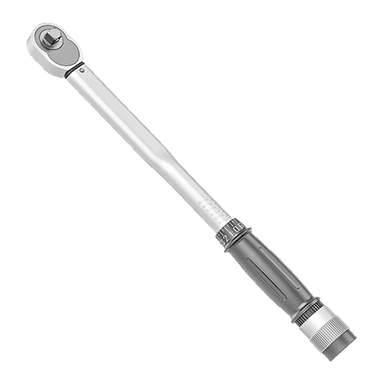
- Torque wrench (inch-pound)
- Battery terminal brush
- Battery terminal puller (specialty)
- Shop rags
- Nitrile gloves
- Safety glasses
🔩 Required Parts
HowToo sells all the parts you need for this repair:
- Battery (12V, correct group size for E-150) - Qty: 1
- Battery terminal anti-corrosion washers - Qty: 2
- Battery terminal protectant spray - Qty: 1
📋 Before You Begin
- 🅿️ Park on level ground, shift to P, and set the parking brake.
- 🧤 Put on nitrile gloves and safety glasses.
- 📦 Verify the new battery matches the old one’s size and terminal layout before removing anything.
- 🧠 If you use a battery terminal puller: it’s a small tool that presses the clamp off the post without prying.
🔨 Step-by-Step Instructions
Follow these steps in order:
Step 1: Open access and locate the battery
- Open the hood and locate the battery tray.
- Use safety glasses and nitrile gloves before working near the terminals.
Step 2: Disconnect the negative (-) cable
- Use an 8mm socket or 10mm socket with a 1/4" drive ratchet to loosen the negative (-) terminal clamp nut.
- Wiggle the clamp and lift it off the battery post.
- If it’s stuck, use a battery terminal puller (specialty) to remove it—don’t pry hard on the battery case.
Step 3: Disconnect the positive (+) cable
- Use an 8mm socket or 10mm socket with a 1/4" drive ratchet to loosen the positive (+) terminal clamp nut.
- Lift the clamp off and position it so it cannot spring back onto the post.
- Keep the positive clamp from touching metal.
Step 4: Remove the battery hold-down
- Use a 10mm socket, 6" extension (1/4" drive), and 1/4" drive ratchet to remove the battery hold-down bolt(s)/bracket.
- Set the hold-down parts aside where you won’t lose them.
Step 5: Remove the old battery
- Lift the battery straight up and out using safe lifting posture.
- Set it on the ground (upright) on a stable surface.
- Wipe the battery tray with shop rags.
Step 6: Clean the terminals and prepare for install
- Use a battery terminal brush to clean the inside of both cable clamps until the metal is shiny.
- Wipe residue with shop rags.
- Install battery terminal anti-corrosion washers if you’re using them.
Step 7: Install the new battery and secure it
- Place the new battery into the tray in the same orientation as the old one.
- Reinstall the hold-down bracket using a 10mm socket, extension, and ratchet.
- If you have an inch-pound torque wrench, tighten the hold-down to Torque to 9 Nm (80 in-lbs).
Step 8: Reconnect the positive (+) cable, then the negative (-) cable
- Install the positive (+) clamp first and tighten using an 8mm socket or 10mm socket with a 1/4" drive ratchet.
- If you have an inch-pound torque wrench, tighten the terminal clamp to Torque to 7 Nm (62 in-lbs).
- Install the negative (-) clamp last and tighten using the same socket/ratchet.
- Spray terminal protectant using battery terminal protectant spray.
✅ After Repair
- 🔍 Confirm both terminal clamps are fully seated and don’t rotate by hand.
- 🔑 Start the engine and verify normal cranking speed.
- ⚡ Check that headlights, blower fan, and hazard lights work.
- 🧼 Re-check the hold-down: the battery should not move in the tray.
💰 DIY vs Shop Cost
Shop Cost: $180-$350 (parts + labor)
DIY Cost: $120-$260 (parts only)
You Save: $60-$150 by doing it yourself!
Shop labor rates vary but typically run $100-$150/hour. This repair takes a shop approximately 0.5-1.0 hours.
🎯 Ready to get started?
HowToo makes it easy: same-day/2-day shipping on every part, plus all the tools and specialty tools you need! Check out the parts and tools sections below to add everything to your cart.