







How to Replace the Battery on a 2000-2018 Ford Focus (Engine: Inline 4 2.0L)
Step-by-step guide with tools, parts, torque specs, safety tips, and Ford BMS reset for 2000, 2001, 2002, 2003, 2004, 2005, 2006, 2007, 2008, 2009, 2010, 2011, 2012, 2013, 2014, 2015, 2016, 2017, 2018
How to Replace the Battery on a 2000-2018 Ford Focus (Engine: Inline 4 2.0L)
Step-by-step guide with tools, parts, torque specs, safety tips, and Ford BMS reset for 2000, 2001, 2002, 2003, 2004, 2005, 2006, 2007, 2008, 2009, 2010, 2011, 2012, 2013, 2014, 2015, 2016, 2017, 2018


🔧 Battery - Replacement
Replacing the battery on your Focus is a beginner-friendly job, but it must be done carefully because the battery is heavy and contains acid. You’ll remove the old 12-volt battery, install a matching replacement, then reset the battery monitoring system so the charging system knows a new battery is installed.
Difficulty Level: Beginner | Estimated Time: 30-45 minutes
⚠️ Safety & Precautions
- ⚠️ Wear safety glasses and gloves because battery acid can burn skin and eyes.
- ⚠️ Always remove the negative cable first and install it last to reduce spark risk.
- ⚠️ Do not let metal tools touch both battery terminals at the same time.
- ⚠️ Keep flames, cigarettes, and sparks away from the battery.
- ⚠️ The battery is heavy; lift with both hands and keep it upright.
- ⚠️ Battery disconnect is required for this repair.
🔧 Required Tools
You'll need the following tools for this repair:
- 10mm socket
- 13mm socket
- 3/8-inch ratchet
- 3/8-inch extension 6-inch
- Battery terminal puller (specialty)
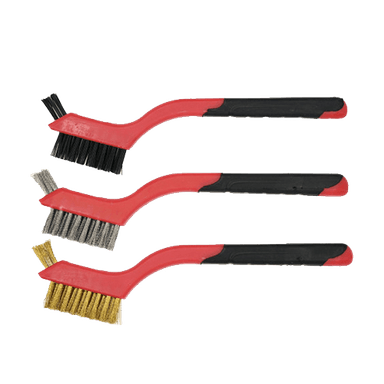
- Battery terminal cleaning brush
- Battery carrier strap
- OBD-II scan tool with Ford BMS reset function (specialty)
- Nitrile gloves
- Safety glasses
🔩 Required Parts
HowToo sells all the parts you need for this repair:
- 12-volt battery, Group 96R - Qty: 1
- Battery terminal protectant spray - Qty: 1
- Battery terminal anti-corrosion washers - Qty: 2
📋 Before You Begin
- Park your Focus on level ground and set the parking brake.
- Turn the ignition off and remove the key.
- Open the hood and wait at least 2 minutes before disconnecting the battery.
- Make sure the replacement battery matches the original size, terminal position, and rating.
- A battery monitoring system reset is required after installation. “BMS” means Battery Monitoring System; it helps the alternator charge the battery correctly.
🔨 Step-by-Step Instructions
Follow these steps in order:
Step 1: Locate the Battery
- Open the hood and locate the battery on the driver-side front area of the engine bay.
- Use your hands to remove or lift any plastic battery cover if equipped.
- Take a photo before disconnecting anything.
Step 2: Disconnect the Negative Cable
- Find the negative terminal marked with a minus sign.
- Use a 10mm socket, 3/8-inch ratchet, and 3/8-inch extension 6-inch to loosen the negative terminal clamp nut.
- Twist the cable gently and lift it off the battery post.
- If it is stuck, use a battery terminal puller. A terminal puller safely lifts the clamp without bending or breaking it.
- Move the negative cable away from the battery so it cannot spring back and touch the post.
Step 3: Disconnect the Positive Cable
- Open the red protective cover over the positive terminal.
- Use a 10mm socket and 3/8-inch ratchet to loosen the positive terminal clamp nut.
- Lift the positive cable off the battery post.
- If needed, use the battery terminal puller to remove it safely.
Step 4: Remove the Battery Hold-Down
- Look near the lower edge of the battery for the hold-down bracket. This bracket locks the battery in place.
- Use a 13mm socket, 3/8-inch ratchet, and 3/8-inch extension 6-inch to remove the hold-down bolt.
- Remove the hold-down bracket and set it aside.
Step 5: Remove the Old Battery
- Attach a battery carrier strap if the battery does not have a built-in handle.
- Lift the battery straight up and out with both hands.
- Keep the battery upright at all times.
- Set it on the ground carefully, away from children, pets, and tools.
Step 6: Clean the Battery Tray and Terminals
- Inspect the battery tray for corrosion, cracks, or loose parts.
- Use a battery terminal cleaning brush to clean the inside of both cable clamps.
- Install battery terminal anti-corrosion washers on the new battery posts if supplied.
- Clean metal gives better starting power.
Step 7: Install the New Battery
- Use the battery carrier strap to lower the new battery into the tray.
- Make sure the positive and negative posts are in the same positions as the original battery.
- Reinstall the hold-down bracket.
- Use a 13mm socket, 3/8-inch ratchet, and 3/8-inch extension 6-inch to tighten the hold-down bolt.
- Torque to 8-10 Nm (71-89 in-lbs)
Step 8: Connect the Positive Cable First
- Push the positive cable fully down onto the positive battery post.
- Use a 10mm socket and 3/8-inch ratchet to tighten the terminal clamp nut.
- Torque to 5-6 Nm (44-53 in-lbs)
- Close the red protective cover over the positive terminal.
Step 9: Connect the Negative Cable Last
- Push the negative cable fully down onto the negative battery post.
- Use a 10mm socket and 3/8-inch ratchet to tighten the terminal clamp nut.
- Torque to 5-6 Nm (44-53 in-lbs)
- Spray both terminals lightly with battery terminal protectant spray.
Step 10: Reset the Battery Monitoring System
- Connect an OBD-II scan tool with Ford BMS reset function to the diagnostic port under the driver-side lower dash.
- Turn the ignition on without starting the engine.
- On the scan tool, select Ford > Focus > Body Control Module > Battery Monitoring System Reset.
- Follow the scan tool prompts until the reset is complete.
- Turn the ignition off for 30 seconds, then start the engine.
✅ After Repair
- Start your Focus and make sure it cranks normally.
- Check that the battery warning light turns off after the engine starts.
- Reset the clock, radio presets, and one-touch window functions if needed.
- For the driver window, hold the switch down until fully open, then hold it up until fully closed, and keep holding for 2 seconds.
- Recycle the old battery at a parts store, battery shop, or recycling center. Do not throw it in the trash.
💰 DIY vs Shop Cost
Shop Cost: $220-$380 (parts + labor)
DIY Cost: $140-$240 (parts only)
You Save: $80-$140 by doing it yourself!
Shop labor rates vary but typically run $100-$150/hour. This repair takes a shop approximately 0.5-1.0 hours.
🎯 Ready to get started?
HowToo makes it easy: same-day/2-day shipping on every part, plus all the tools and specialty tools you need! Check out the parts and tools sections below to add everything to your cart.