

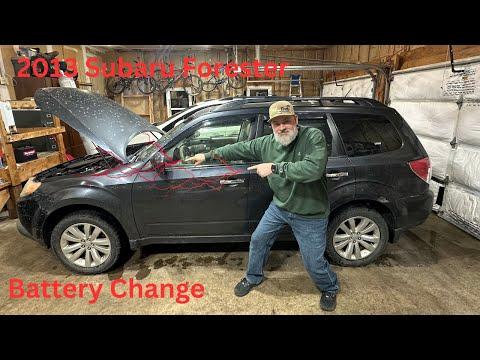





How to Replace the Battery on a 1998-2025 Subaru Forester (Engine: Flat 4 2.5L)
Step-by-step DIY guide with tools, parts, torque specs, and battery safety tips for 1998, 1999, 2000, 2001, 2002, 2003, 2004, 2005, 2006, 2007, 2008, 2009, 2010, 2011, 2012, 2013, 2014, 2015, 2016, 2017, 2018, 2019, 2020, 2021, 2022, 2023, 2024, 2025
How to Replace the Battery on a 1998-2025 Subaru Forester (Engine: Flat 4 2.5L)
Step-by-step DIY guide with tools, parts, torque specs, and battery safety tips for 1998, 1999, 2000, 2001, 2002, 2003, 2004, 2005, 2006, 2007, 2008, 2009, 2010, 2011, 2012, 2013, 2014, 2015, 2016, 2017, 2018, 2019, 2020, 2021, 2022, 2023, 2024, 2025


🔧 Forester - Battery Replacement
Changing the battery on your Forester is a good beginner repair. You’ll remove the old 12-volt battery, clean the cable ends if needed, install the new battery, and make sure it is secured so it cannot move while driving.
Difficulty Level: Beginner | Estimated Time: 20-40 minutes
⚠️ Safety & Precautions
- ⚠️ Wear safety glasses and gloves. Car batteries can leak acid, which can burn skin and eyes.
- ⚠️ Always disconnect the negative cable first. This lowers the chance of sparks or short circuits.
- ⚠️ Keep metal tools away from both battery posts at the same time.
- ⚠️ Do not tip the battery. It is heavy and may contain liquid acid.
- ⚠️ The battery is heavy. Lift with both hands and keep it upright.
- ⚠️ Battery disconnect is required for this repair.
🔧 Required Tools
You'll need the following tools for this repair:
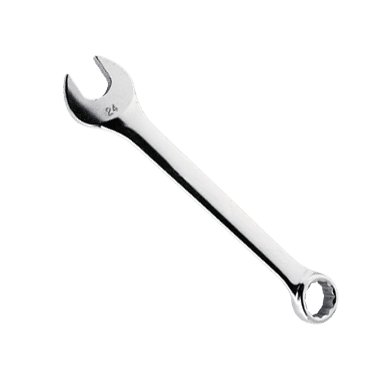
- 10mm wrench
- 10mm socket
- Ratchet handle
- Socket extension 6-inch
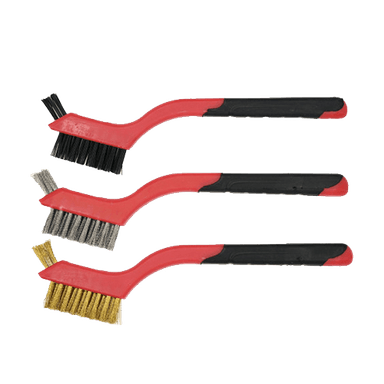
- Battery terminal cleaner brush
- Battery carrying strap
- Torque wrench inch-pound range
- Nitrile gloves
- Safety glasses
🔩 Required Parts
HowToo sells all the parts you need for this repair:
- 12-volt automotive battery - Qty: 1
- Battery terminal anti-corrosion washers - Qty: 2
- Battery terminal protectant - Qty: 1
📋 Before You Begin
- 🅿️ Park your Forester on level ground, shift the manual transmission into 1st gear, and set the parking brake.
- 🔑 Turn the ignition fully OFF and remove the key.
- ⏱️ Wait at least 2 minutes before disconnecting the battery so control modules can go to sleep.
- 📻 If your radio requires a security code, have it ready before disconnecting the battery.
- 🧠 After battery replacement, the clock and some learned settings may need to be reset.
🔨 Step-by-Step Instructions
Follow these steps in order:
Step 1: Open the Hood and Find the Battery
- Use your hands to release the hood latch and support the hood with the prop rod.
- The battery is in the engine bay. It has two cables attached: negative marked - and positive marked +.
- Take a photo before removing anything.
Step 2: Disconnect the Negative Battery Cable
- Use a 10mm wrench to loosen the nut on the negative battery terminal clamp.
- The negative terminal is usually connected to a black cable and marked -.
- Twist the cable end gently by hand and lift it off the battery post.
- Move the cable away so it cannot spring back and touch the battery post.
- Negative comes off first, always.
Step 3: Disconnect the Positive Battery Cable
- Use a 10mm wrench to loosen the nut on the positive battery terminal clamp.
- The positive terminal is usually connected to a red cable and marked +.
- Lift the cable off the battery post and move it aside carefully.
- Do not let the positive cable touch any metal body parts.
Step 4: Remove the Battery Hold-Down Bracket
- Use a 10mm socket, ratchet handle, and socket extension 6-inch to loosen the two hold-down nuts.
- The hold-down bracket is the metal piece that keeps the battery from moving.
- Remove the bracket and set it aside with the nuts.
- If the J-hooks come loose, keep them upright and note their position.
Step 5: Remove the Old Battery
- Use a battery carrying strap to lift the battery straight up and out.
- A battery carrying strap is a handle that clips or grips the battery so it is easier to lift safely.
- Keep the battery upright and place it on cardboard or a plastic tray.
- Batteries are heavier than they look.
Step 6: Clean the Battery Cable Ends
- Use a battery terminal cleaner brush to clean the inside of each cable clamp.
- A battery terminal cleaner brush removes white or green corrosion so the new battery can make a strong electrical connection.
- If corrosion is heavy, brush until the metal contact area looks clean and bright.
- Wear nitrile gloves and safety glasses while cleaning.
Step 7: Install the New Battery
- Use a battery carrying strap to lower the new battery into the tray.
- Make sure the positive + and negative - posts are in the same positions as the old battery.
- Install the battery terminal anti-corrosion washers over the battery posts if supplied.
Step 8: Reinstall the Battery Hold-Down Bracket
- Use a 10mm socket, ratchet handle, and socket extension 6-inch to reinstall the hold-down bracket.
- Tighten the bracket evenly so the battery is secure, but do not crush the battery case.
- Torque to 4-6 Nm (35-53 in-lbs)
- Gently push the battery by hand. It should not slide or rock.
Step 9: Connect the Positive Cable First
- Use your hand to place the positive cable clamp onto the positive + battery post.
- Push it fully down onto the post.
- Use a 10mm wrench to tighten the terminal nut.
- Torque to 4-5 Nm (35-44 in-lbs)
- Do not overtighten. Battery posts are soft lead and can crack.
Step 10: Connect the Negative Cable Last
- Use your hand to place the negative cable clamp onto the negative - battery post.
- Use a 10mm wrench to tighten the terminal nut.
- Torque to 4-5 Nm (35-44 in-lbs)
- A tiny spark when connecting the negative cable can be normal.
- Positive on first, negative on last.
Step 11: Apply Terminal Protectant
- Use the included applicator or your gloved finger to apply battery terminal protectant to the outside of both connected terminals.
- Only coat the outside after the clamps are tight. This helps slow future corrosion.
Step 12: Start the Engine
- Use the ignition key to start your Forester.
- Let the engine idle for a few minutes.
- Use your eyes and ears to check that the battery stays secure and there are no warning lights related to charging.
✅ After Repair
- ✅ Reset the clock and radio presets if they were lost.
- ✅ If the idle feels slightly uneven at first, let the engine idle for several minutes with lights, blower motor, and rear defroster off.
- ✅ Drive normally for 10-15 minutes so the engine computer can relearn idle behavior.
- ✅ Recheck both battery terminals after the first drive. They should be snug and not rotate by hand.
- ♻️ Recycle the old battery at a parts store or battery recycler. Do not throw it in household trash.
💰 DIY vs Shop Cost
Shop Cost: $180-$320 (parts + labor)
DIY Cost: $120-$240 (parts only)
You Save: $60-$100 by doing it yourself!
Shop labor rates vary but typically run $100-$150/hour. This repair takes a shop approximately 0.3-0.6 hours.
🎯 Ready to get started?
HowToo makes it easy: same-day/2-day shipping on every part, plus all the tools and specialty tools you need! Check out the parts and tools sections below to add everything to your cart.