

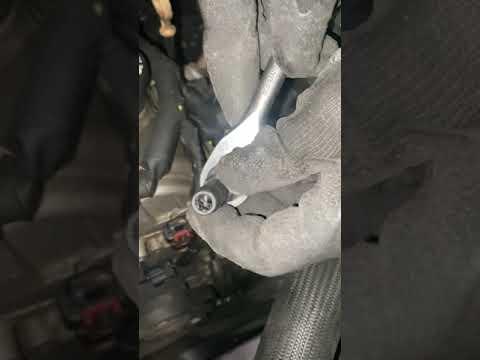





How to Replace the Alternator on a 2016 Buick LaCrosse 3.6L V6
Step-by-step alternator swap with required tools/parts, belt routing tips, and torque specs for 2013, 2014, 2015, 2016
How to Replace the Alternator on a 2016 Buick LaCrosse 3.6L V6
Step-by-step alternator swap with required tools/parts, belt routing tips, and torque specs for 2013, 2014, 2015, 2016


🔧 LaCrosse - Alternator Replacement
You’ll remove the serpentine belt, unplug the alternator wiring, unbolt the alternator, then install the new one and re-tension the belt. This matters because a weak alternator can cause no-starts, battery warning lights, dim lights, and low system voltage.
Difficulty Level: Intermediate | Estimated Time: 1.5-3.0 hours
Assumption: Your LaCrosse has the 3.6L V6 (typical layout) with alternator accessible from the top-front of the engine.
⚠️ Safety & Precautions
- ⚠️ Disconnect the negative battery cable first to prevent a short (the alternator power cable is always “live”).
- ⚠️ Let the engine cool before working near the radiator and belt drive.
- ⚠️ Support the hood securely; keep hands/clothes clear of belt and pulleys.
- ⚠️ Never pry on plastic connectors; release the locking tab first.
🔧 Required Tools
You'll need the following tools for this repair:
- Safety glasses
- Mechanic gloves
- 10mm socket
- 13mm socket
- 15mm socket
- 3/8" ratchet
- 3/8" breaker bar
- 3/8" torque wrench (10–100 Nm range)
- 6" socket extension
- Flat trim tool
- Flathead screwdriver
- Serpentine belt tool (specialty)
- Digital multimeter
- Fender cover
🔩 Required Parts
HowToo sells all the parts you need for this repair:
- Alternator - Qty: 1
- Serpentine belt - Qty: 1 (recommended if belt is cracked/glazed)
- Dielectric grease - Qty: 1 (small packet)
📋 Before You Begin
- Park on level ground, shift to Park, and set the parking brake.
- Open the hood and install a fender cover to protect paint.
- Disconnect the battery: use a 10mm socket to remove the negative battery cable and tuck it aside so it can’t spring back.
- If you can, take a quick photo of the belt routing sticker (or draw the route). This prevents misrouting later.
🔨 Step-by-Step Instructions
Follow these steps in order:
Step 1: Remove the engine cover and intake duct (for access)
- Pull up on the engine cover to release the rubber grommets (it snaps on).
- Loosen the intake duct clamps using a flathead screwdriver (and/or 10mm socket depending on clamp style).
- Unclip any small hose(s) or resonator clips using a flat trim tool, then lift the duct out of the way.
Step 2: Relieve belt tension and remove the serpentine belt from the alternator
- Locate the belt tensioner (spring-loaded pulley assembly).
- Install a serpentine belt tool (specialty) or 3/8" breaker bar into the tensioner drive.
- Rotate the tensioner to relieve tension, then slide the belt off the alternator pulley.
- Tip: Keep the belt on other pulleys if reusing.
Step 3: Unplug the alternator electrical connector
- Find the small alternator plug (field connector).
- Press the locking tab and pull straight off by hand; use a flat trim tool gently if it’s stubborn.
- Apply a tiny amount of dielectric grease to the seal on reassembly (optional but helpful).
Step 4: Remove the alternator main power cable
- Remove the protective rubber boot from the alternator “BAT” stud.
- Use a 13mm socket to remove the retaining nut, then lift the cable off the stud.
- Set the cable aside so it can’t touch metal.
- Tip: This cable can spark if battery isn’t disconnected.
Step 5: Unbolt the alternator
- Locate the alternator mounting bolts (typically 2–3 bolts).
- Use a 15mm socket with a 3/8" ratchet and 6" extension to remove the alternator mounting bolts.
- Support the alternator with your free hand as the last bolt comes out.
Step 6: Remove the alternator from the engine bay
- Work the alternator up and out (you may need to rotate it slightly to clear hoses and brackets).
- If it feels stuck, re-check for a hidden bolt or a bracket ear still engaged—don’t force it.
Step 7: Install the new alternator
- Compare old and new alternator: mounting ears, pulley alignment, and electrical connections should match.
- Set the alternator into place and hand-start all mounting bolts to avoid cross-threading.
- Tighten mounting bolts using a 15mm socket, then Torque to 50 Nm (37 ft-lbs).
Step 8: Reconnect alternator wiring
- Install the main power cable on the BAT stud and tighten the nut with a 13mm socket, then Torque to 15 Nm (11 ft-lbs).
- Reinstall the rubber boot fully over the stud.
- Reconnect the alternator plug until it clicks (push straight in).
Step 9: Reinstall the serpentine belt
- Route the belt correctly on all pulleys (use your photo/diagram).
- Use the serpentine belt tool (specialty) or 3/8" breaker bar to rotate the tensioner, then slip the belt fully onto the alternator pulley.
- Release the tensioner slowly and check that the belt is centered on every pulley.
Step 10: Reinstall intake duct and engine cover
- Reinstall the intake duct, reconnect any hoses, and tighten clamps with a flathead screwdriver and/or 10mm socket.
- Press the engine cover back onto its grommets.
Step 11: Reconnect the battery
- Reconnect the negative battery cable using a 10mm socket.
- Snug it firmly (do not over-tighten the terminal).
✅ After Repair
- Start the engine and listen: no squealing, slapping, or rubbing from the belt.
- Check charging voltage with a digital multimeter: you should typically see about 13.5–14.8V at the battery with the engine running.
- Confirm the battery/charging warning light stays off on the dash.
- Recheck belt alignment after a short 5–10 minute drive.
💰 DIY vs Shop Cost
Shop Cost: $650-$1,050 (parts + labor)
DIY Cost: $220-$550 (parts only)
You Save: $430-$500 by doing it yourself!
Shop labor rates vary but typically run $100-$150/hour. This repair takes a shop approximately 1.5-3.0 hours.
🎯 Ready to get started?
HowToo makes it easy: same-day/2-day shipping on every part, plus all the tools and specialty tools you need! Check out the parts and tools sections below to add everything to your cart.