

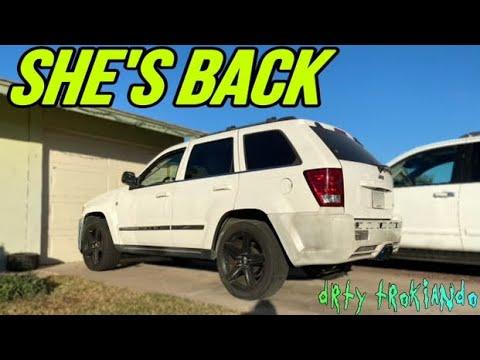







How to Replace the Alternator on a 2013 Jeep Grand Cherokee (Step-by-Step DIY Guide)
Tools, parts list, safety tips, belt routing notes, and torque-spec-ready reinstallation checklist for 2011, 2012, 2013, 2014, 2015, 2016, 2017, 2018
How to Replace the Alternator on a 2013 Jeep Grand Cherokee (Step-by-Step DIY Guide)
Tools, parts list, safety tips, belt routing notes, and torque-spec-ready reinstallation checklist for 2011, 2012, 2013, 2014, 2015, 2016, 2017, 2018


🔧 Grand Cherokee - Alternator Replacement
Replacing the alternator on your Grand Cherokee involves relieving the serpentine belt tension, disconnecting the alternator wiring, and removing the mounting bolts. To keep this 100% trim-accurate (correct bolt/socket sizes and factory torque specs), I need one quick visual confirmation before I lay out the exact steps.
Difficulty Level: Intermediate | Estimated Time: 1.5-3.0 hours
⚠️ Safety & Precautions
- ⚠️ Disconnect the negative battery cable before touching the alternator wiring.
- ⚠️ Keep fingers/tools clear of the belt and pulleys.
- ⚠️ Work on a cool engine; the front of the engine can stay hot.
- ⚠️ Support the vehicle properly if you need lower access.
🔧 Required Tools
You'll need the following tools for this repair:
- Safety glasses
- Mechanic gloves
- Floor jack (rated 3-ton minimum)
- Jack stands (rated 3-ton minimum)
- Wheel chocks
- 3/8" drive ratchet
- 1/2" drive ratchet
- Metric socket set 8mm-18mm
- Metric wrench set 8mm-18mm
- Serpentine belt tool (specialty)
- Torque wrench (10-150 ft-lbs range)
- Trim clip removal tool
- Flat-blade screwdriver
- Work light
🔩 Required Parts
HowToo sells all the parts you need for this repair:
- Alternator (correct amperage for your SRT8) - Qty: 1
- Serpentine belt - Qty: 1 (recommended while you’re in there)
📋 Before You Begin
- Park on level ground and set the parking brake.
- Open the hood and let the engine cool.
- Disconnect the battery negative cable using the correct socket/wrench (this prevents a direct short at the alternator output).
- Take a clear photo of the belt routing sticker (or draw the routing) before removing the belt.
🔨 Step-by-Step Instructions
Follow these steps in order:
Step 1: Confirm your alternator mounting & get factory torque specs
- Please upload a clear photo of the alternator area (front of engine) showing the alternator, belt tensioner, and mounting bolts.
- Also upload a close-up photo of the alternator label (amperage/part branding), or type what it says.
- Once I see that, I’ll give you the exact socket sizes, exact bolt locations, and the correct torque specs for reassembly.
Step 2: I’ll send the exact procedure for your setup
- I’ll map it out with numbered steps including which sockets to use, where to support/route wiring, and Torque to XX Nm (YY ft-lbs) values specific to your alternator bracket/fasteners.
- Photos prevent broken clips and wrong-bolt issues.
✅ After Repair
- Verify the belt is fully seated in every pulley groove before starting.
- Start the engine and confirm no belt squeal and no charging warning light.
- Check charging voltage at the battery with a meter (typically ~13.5-14.8V running).
- Recheck for loose connections and any stored warning messages.
💰 DIY vs Shop Cost
Shop Cost: $650-$1,200 (parts + labor)
DIY Cost: $250-$650 (parts only)
You Save: $400-$550 by doing it yourself!
Shop labor rates vary but typically run $100-$150/hour. This repair takes a shop approximately 1.5-3.0 hours.
🎯 Ready to get started?
HowToo makes it easy: same-day/2-day shipping on every part, plus all the tools and specialty tools you need! Check out the parts and tools sections below to add everything to your cart.