





How to Replace the Alternator on a 2011-2013 Subaru Forester (Engine: Flat 4 2.5L)
Step-by-step DIY guide with tools, parts, belt tensioning, torque specs, and charging test for 2011, 2012, 2013
How to Replace the Alternator on a 2011-2013 Subaru Forester (Engine: Flat 4 2.5L)
Step-by-step DIY guide with tools, parts, belt tensioning, torque specs, and charging test for 2011, 2012, 2013


🔧 Forester - Alternator Replacement
Replacing the alternator on your Forester means removing the accessory drive belt, disconnecting the alternator wiring, unbolting the alternator, and installing the new unit. The alternator charges the battery and powers the electrical system while the engine is running.
Difficulty Level: Beginner | Estimated Time: 1-2 hours
⚠️ Safety & Precautions
- ⚠️ Disconnect the negative battery cable before touching alternator wiring to prevent sparks or short circuits.
- ⚠️ Let the engine cool completely before working near the belt, pulleys, and exhaust-side engine area.
- ⚠️ Keep fingers, tools, and loose clothing away from the belt path.
- ⚠️ Do not pry against plastic connectors or aluminum brackets; they can crack.
- ⚠️ Manual transmission note: park on level ground, set the parking brake, and leave the shifter in neutral while working under the hood.
🔧 Required Tools
You'll need the following tools for this repair:
- 10mm wrench
- 10mm socket
- 12mm socket
- 14mm socket
- 3/8-inch drive ratchet
- 3/8-inch drive 6-inch extension
- Torque wrench 5-80 ft-lbs
- Flat-blade screwdriver
- Trim clip removal tool
- Digital multimeter
- Work gloves
- Safety glasses
- Battery terminal brush
🔩 Required Parts
HowToo sells all the parts you need for this repair:
- Alternator - Qty: 1
- Accessory drive belt - Qty: 1
- Battery terminal corrosion protectant - Qty: 1
📋 Before You Begin
- 🚗 Park your Forester on level ground, set the parking brake, and open the hood.
- 🔋 Use a 10mm wrench to disconnect the negative battery cable, then tuck it aside so it cannot touch the battery post.
- 🧰 A digital multimeter is a small electrical tester used to check battery and charging voltage.
- 🧰 A torque wrench tightens bolts to a measured amount so they are not too loose or too tight.
- 💡 Take a clear photo of the belt routing before removing the belt.
🔨 Step-by-Step Instructions
Follow these steps in order:
Step 1: Remove the Engine Cover or Intake Snorkel if Needed
- Use a trim clip removal tool or flat-blade screwdriver to remove any plastic clips blocking access to the alternator area.
- Use a 10mm socket and ratchet to remove any small bolts holding the front intake duct, if it blocks your hand access.
- Set clips and bolts in a cup so they do not get lost.
- Take photos before removing parts.
Step 2: Loosen the Accessory Belt Tension
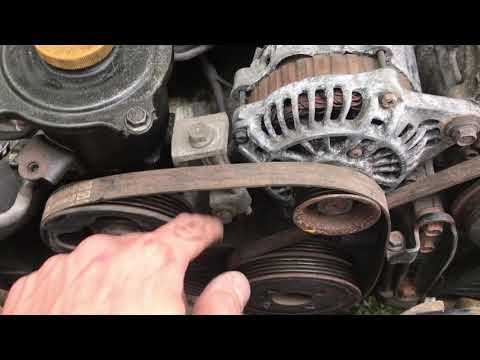
- The alternator belt tension is adjusted by the alternator bracket hardware, not by a spring-loaded tensioner.
- Use a 12mm socket and ratchet to loosen the alternator upper lock bolt.
- Use a 12mm socket and ratchet to turn the alternator adjusting bolt counterclockwise until the belt becomes loose.
- Use a 14mm socket and ratchet to slightly loosen the alternator lower pivot bolt.
- Push the alternator inward by hand to create more belt slack.
Step 3: Remove the Accessory Drive Belt
- Slide the belt off the alternator pulley by hand.
- Remove the belt from the crankshaft pulley and any other pulley it rides on.
- Inspect the old belt for cracks, glazing, or missing ribs. Replace it if worn.
- New alternator, new belt is smart.
Step 4: Disconnect Alternator Electrical Connections
- Use a flat-blade screwdriver to gently lift the lock tab on the small alternator electrical connector, then unplug it by hand.
- Use a 10mm socket and ratchet to remove the nut from the main alternator output wire terminal.
- Pull the main wire terminal straight off the alternator stud.
- Keep the rubber protective boot with the wire so it can cover the terminal after reassembly.
Step 5: Remove the Alternator Mounting Bolts
- Use a 12mm socket and ratchet to remove the upper alternator lock bolt and adjuster hardware as needed.
- Use a 14mm socket and ratchet to remove the lower alternator pivot bolt.
- Support the alternator with one hand while removing the last bolt.
- Lift the alternator out of the bracket by hand.
Step 6: Compare the Old and New Alternator
- Place both alternators side by side on a clean surface.
- Confirm the pulley style, electrical connector, mounting ears, and output stud position match.
- If any shipping caps are installed on the new alternator terminals, remove them by hand.
- Do not install mismatched connectors.
Step 7: Install the New Alternator
- Set the new alternator into the lower bracket by hand.
- Install the lower pivot bolt by hand first to avoid cross-threading.
- Use a 14mm socket and ratchet to snug the lower pivot bolt, but do not fully tighten yet.
- Install the upper adjuster and lock bolt by hand.
- Use a 12mm socket and ratchet to snug the upper hardware lightly.
Step 8: Reconnect the Alternator Wiring
- Place the main alternator output wire onto the alternator stud by hand.
- Use a 10mm socket and torque wrench to tighten the output terminal nut to Torque to 7 Nm (62 in-lbs).
- Push the rubber protective boot fully over the terminal.
- Plug in the small alternator electrical connector by hand until it clicks.
Step 9: Reinstall and Tension the Accessory Drive Belt
- Route the belt over the pulleys using your photo as a guide.
- Make sure every belt rib sits correctly in every pulley groove.
- Use a 12mm socket and ratchet to turn the alternator adjusting bolt clockwise until the belt is tight.
- Check belt deflection by pressing the longest belt span with your thumb. It should move about 1/4-3/8 inch with firm pressure.
- Use a 12mm socket and torque wrench to tighten the upper alternator lock bolt to Torque to 25 Nm (18 ft-lbs).
- Use a 14mm socket and torque wrench to tighten the lower pivot bolt to Torque to 35 Nm (26 ft-lbs).
Step 10: Reinstall Removed Intake Pieces
- Use a 10mm socket and ratchet to reinstall any intake duct bolts removed earlier.
- Use a trim clip removal tool or your fingers to reinstall plastic clips.
- Make sure no tools, rags, or loose parts are near the belt.
Step 11: Reconnect the Battery
- Use a battery terminal brush to clean the negative battery terminal if corrosion is present.
- Install the negative battery cable onto the battery post by hand.
- Use a 10mm wrench to tighten the negative battery terminal nut until snug.
- Apply battery terminal corrosion protectant after the cable is tight.
Step 12: Verify Charging System Operation
- Use a digital multimeter set to DC volts.
- Touch the red probe to the positive battery terminal and the black probe to the negative battery terminal.
- With the engine off, a healthy battery should read about 12.4-12.7 volts.
- Start the engine and check voltage again. It should read about 13.5-14.8 volts.
- Turn on headlights and the blower motor, then confirm the voltage stays near the charging range.
✅ After Repair
- ✅ Listen for belt squeal at startup. If it squeals, shut the engine off and recheck belt tension.
- ✅ Confirm the battery warning light turns off after the engine starts.
- ✅ Drive for 10-15 minutes, then recheck that the belt is still centered on every pulley.
- ✅ Recheck the upper and lower alternator bolts after the first short drive.
- ✅ If the battery was repeatedly discharged before repair, fully charge or test the battery so the new alternator is not overworked.
💰 DIY vs Shop Cost
Shop Cost: $450-$750 (parts + labor)
DIY Cost: $180-$380 (parts only)
You Save: $270-$370 by doing it yourself!
Shop labor rates vary but typically run $100-$150/hour. This repair takes a shop approximately 1-2 hours.
🎯 Ready to get started?
HowToo makes it easy: same-day/2-day shipping on every part, plus all the tools and specialty tools you need! Check out the parts and tools sections below to add everything to your cart.