

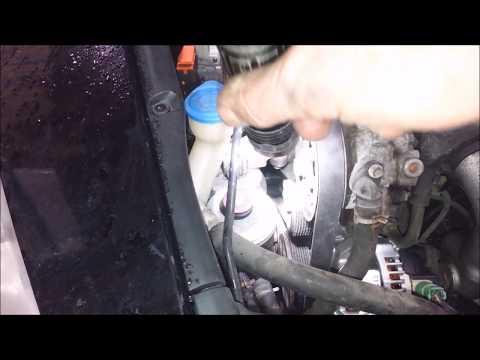







How to Replace the Alternator on a 2007 Honda Accord (Step-by-Step DIY Guide)
Tools, parts, safety tips, and torque specs for alternator and serpentine belt removal/installation for 2003, 2004, 2005, 2006, 2007
How to Replace the Alternator on a 2007 Honda Accord (Step-by-Step DIY Guide)
Tools, parts, safety tips, and torque specs for alternator and serpentine belt removal/installation for 2003, 2004, 2005, 2006, 2007


🔧 Accord - Alternator Replacement
Your alternator charges the battery and powers the electrical system while the engine runs. If it’s failing, you may get a battery light, dim lights, or a no-start after driving. On your Accord, access is easiest from the passenger-side wheel well.
Difficulty Level: Intermediate | Estimated Time: 1.5-3 hours
⚠️ Safety & Precautions
- ⚠️ Disconnect the battery negative terminal first to prevent a short.
- ⚠️ Let the engine cool; the exhaust and radiator area can burn you.
- ⚠️ Support the car on jack stands; never rely on a jack alone.
- ⚠️ Keep fingers clear of the belt and pulleys when releasing tension.
🔧 Required Tools
You'll need the following tools for this repair:
- Safety glasses
- Mechanic gloves
- Wheel chocks
- Floor jack (rated 3-ton minimum)
- Jack stands (rated 3-ton minimum)
- 19mm socket
- 3/8" drive ratchet
- 1/2" drive breaker bar
- 10mm socket
- 12mm socket
- 14mm socket
- 6" socket extension
- 12" socket extension
- Torque wrench (10-100 ft-lbs range)
- Flat trim clip tool
- Small flathead screwdriver
- Multimeter
🔩 Required Parts
HowToo sells all the parts you need for this repair:
- Alternator - Qty: 1
- Serpentine drive belt - Qty: 1
- Fender liner / splash shield clips - Qty: 1 set
- Dielectric grease - Qty: 1
📋 Before You Begin
- Park on level ground, put the transmission in 1st gear, and set the parking brake.
- Chock the rear wheels using wheel chocks.
- If your Accord has an anti-theft radio, make sure you have the radio code before disconnecting the battery.
- Disconnect the battery using a 10mm socket: remove negative (-) first, then positive (+) if you need more room.
🔨 Step-by-Step Instructions
Follow these steps in order:
Step 1: Raise the front passenger side and remove the wheel
- Use a 19mm socket to loosen the lug nuts 1 turn while the car is on the ground.
- Lift the front passenger side using a floor jack (rated 3-ton minimum), then support it with jack stands (rated 3-ton minimum).
- Remove the lug nuts with a 19mm socket and take the wheel off.
Step 2: Remove the passenger-side splash shield (inner fender liner)
- Use a flat trim clip tool to pop out the plastic clips.
- Use a 10mm socket to remove any small bolts holding the liner.
- Pull the liner back to expose the belt, alternator area, and crank pulley. Keep clips in a small cup.
Step 3: Relieve belt tension and slip the belt off the alternator
- Use a 14mm socket on the belt tensioner bolt and rotate the tensioner to release tension.
- While holding tension off, slide the belt off the alternator pulley by hand.
- Slowly release the tensioner back to its resting position.
- Take a quick photo of belt routing.
Step 4: Disconnect the alternator wiring
- Unplug the alternator electrical connector by pressing the tab using a small flathead screwdriver gently (don’t break the lock tab).
- Remove the rubber boot from the alternator B+ terminal.
- Use a 10mm socket to remove the B+ terminal nut, then lift the cable off and tuck it aside.
Step 5: Remove the alternator mounting bolts
- Use a 12mm socket and 3/8" drive ratchet (plus a 6" socket extension as needed) to remove the upper mounting bolt.
- Use a 14mm socket and breaker bar to loosen the lower mounting bolt, then remove it with a 3/8" drive ratchet.
- Work the alternator out through the wheel well opening (you may need to rotate it to clear the bracket).
Step 6: Install the new alternator
- Position the new alternator in place through the wheel well.
- Start the lower bolt by hand first (this prevents cross-threading), then start the upper bolt by hand.
- Tighten the alternator bolts using a torque wrench:
- Torque the alternator upper mounting bolt to 44 N·m (33 ft-lbs)
- Torque the alternator lower mounting bolt to 44 N·m (33 ft-lbs)
Step 7: Reconnect the alternator wiring
- Apply a thin wipe of dielectric grease to the connector seal (not the metal pins).
- Reconnect the alternator plug until it clicks.
- Reinstall the B+ cable and nut using a 10mm socket.
- Torque the B+ terminal nut to 9 N·m (80 in-lbs)
- Reinstall the rubber boot over the B+ terminal.
Step 8: Reinstall the serpentine belt
- Route the belt correctly around all pulleys (use your photo).
- Use a 14mm socket to rotate the tensioner and slip the belt onto the alternator pulley.
- Release the tensioner slowly and confirm the belt is seated fully in every pulley groove.
Step 9: Reinstall the splash shield and wheel
- Reposition the liner and install fasteners using a 10mm socket and flat trim clip tool.
- Reinstall the wheel and hand-thread the lug nuts.
- Lower the car off the jack stands using the floor jack (rated 3-ton minimum).
- Tighten lug nuts in a star pattern using a torque wrench.
- Torque the wheel lug nuts to 108 N·m (80 ft-lbs)
Step 10: Reconnect the battery
- Reconnect the battery terminals using a 10mm socket: positive (+) first, then negative (-).
- Torque the battery terminal nuts to 5 N·m (44 in-lbs)
✅ After Repair
- Start the engine and confirm the battery warning light goes out.
- Use a multimeter at the battery with the engine idling: you should typically see about 13.8V–14.7V.
- Turn on headlights and rear defrost; voltage should stay above roughly 13.3V.
- Listen for belt squeal; if it squeals, re-check belt routing and that it’s seated in all grooves.
- Reset the clock/radio presets if needed.
💰 DIY vs Shop Cost
Shop Cost: $450-$850 (parts + labor)
DIY Cost: $180-$450 (parts only)
You Save: $270-$400 by doing it yourself!
Shop labor rates vary but typically run $100-$150/hour. This repair takes a shop approximately 1.5-2.5 hours.
🎯 Ready to get started?
HowToo makes it easy: same-day/2-day shipping on every part, plus all the tools and specialty tools you need! Check out the parts and tools sections below to add everything to your cart.