







How to Replace the 12V Battery on a 2019 Toyota Camry
Step-by-step trunk battery replacement with tools, parts, torque specs, and safety tips
How to Replace the 12V Battery on a 2019 Toyota Camry
Step-by-step trunk battery replacement with tools, parts, torque specs, and safety tips


🔋 Camry - 12V Battery Replacement
Your battery is mounted in the trunk, so this job is a little different from most cars. You’ll remove the trunk trim, disconnect the old battery, transfer any hold-down hardware, and install the new one with the correct polarity and vent setup.
Difficulty Level: Beginner | Estimated Time: 30-60 minutes
⚠️ Safety & Precautions
- Wear safety glasses and gloves; battery acid can burn skin and eyes.
- Keep metal tools away from both battery posts at the same time to avoid a short circuit.
- Make sure the ignition is OFF and the key/fob is away from the car before starting.
- Do not smoke or create sparks near the battery.
- Battery disconnect is required for this repair.
- If your car has a memory saver, use it before disconnecting power to help preserve settings.
🔧 Required Tools
You'll need the following tools for this repair:
- 10mm socket
- 3/8-inch ratchet
- 3-inch extension
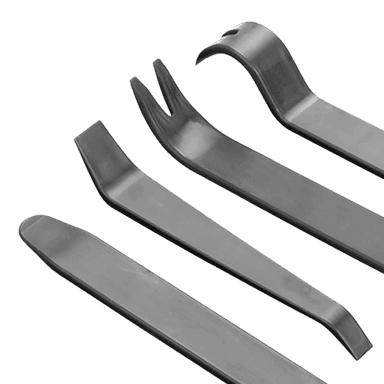
- Flat trim tool
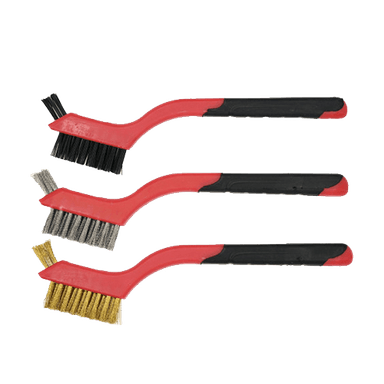
- Battery terminal brush
- Torque wrench
- Safety glasses
- Mechanic gloves
🔩 Required Parts
HowToo sells all the parts you need for this repair:
- 12V battery - Qty: 1
- Battery terminal protector spray - Qty: 1
- Battery hold-down hardware - Qty: 1 set
📋 Before You Begin
- Park on level ground and set the parking brake.
- Open the trunk and clear the cargo area.
- Turn the ignition OFF and remove the key/fob from the car.
- If you have a memory saver, connect it before disconnecting the battery.
🔨 Step-by-Step Instructions
Follow these steps in order:
Step 1: Access the battery
- Open the trunk and lift out the floor panel.
- Remove the right-side trunk trim pieces as needed using the flat trim tool.
- You should now see the battery and its hold-down bracket.
Step 2: Disconnect the negative cable
- Use the 10mm socket and 3/8-inch ratchet to loosen the negative terminal clamp.
- Lift the negative cable off the post and tuck it aside so it cannot spring back.
- Always remove the negative side first.
Step 3: Disconnect the positive cable
- Use the 10mm socket to loosen the positive terminal clamp.
- Remove the positive cable and move it away from the battery.
- If there is a fuse block attached to the battery, support it carefully while disconnecting.
Step 4: Remove the battery hold-down
- Use the 10mm socket and 3-inch extension to remove the battery hold-down bracket.
- Lift the bracket and hardware out.
- Torque on reassembly: tighten the hold-down hardware to 9 Nm (80 in-lbs).
Step 5: Lift out the old battery
- Use both hands to lift the battery straight up and out of the trunk.
- Batteries are heavy, so lift with your legs, not your back.
Step 6: Clean the tray and terminals
- Use the battery terminal brush to clean corrosion from the cable ends if needed.
- Wipe the battery tray clean before installing the new battery.
- Clean connections help prevent no-start problems.
Step 7: Install the new battery
- Place the new battery in the tray with the terminals oriented the same way as the old one.
- Make sure it sits fully flat and does not rock.
- Reinstall the hold-down bracket using the 10mm socket.
- Torque on reassembly: tighten the hold-down hardware to 9 Nm (80 in-lbs).
Step 8: Reconnect the cables
- Attach the positive cable first and tighten it with the 10mm socket.
- Attach the negative cable second and tighten it with the 10mm socket.
- Torque on reassembly: tighten terminal clamps to 5 Nm (44 in-lbs).
- Apply a small amount of battery terminal protector spray if desired.
Step 9: Reinstall trunk trim
- Put the trunk trim panels and floor panel back in place.
- Make sure nothing pinches the battery cables.
✅ After Repair
- Start the car and confirm it cranks normally.
- Check that no warning lights remain on after a short drive.
- Reset your clock, radio presets, and any saved settings if needed.
- If a battery warning light appears, recheck terminal tightness and cable routing.
💰 DIY vs Shop Cost
Shop Cost: ₹10,000-₹18,000 (parts + labor)
DIY Cost: ₹6,500-₹12,000 (parts only)
You Save: ₹3,500-₹6,000 by doing it yourself!
Shop labor rates vary but typically run ₹1,500-₹3,500/hour. This repair takes a shop approximately 0.5-1 hour.
🎯 Ready to get started?
HowToo makes it easy: same-day/2-day shipping on every part, plus all the tools and specialty tools you need! Check out the parts and tools sections below to add everything to your cart.