

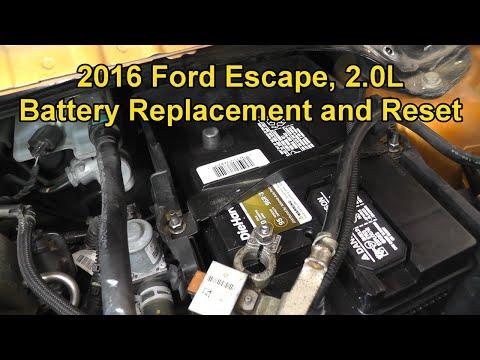





How to Replace the 12V Battery on a 2016 Ford Escape (Group 96R/H6)
Step-by-step DIY battery swap with required tools, parts list, terminal torque specs, and BMS reset steps for 2001, 2002, 2003, 2004, 2013, 2014, 2015, 2016, 2017, 2018, 2019
How to Replace the 12V Battery on a 2016 Ford Escape (Group 96R/H6)
Step-by-step DIY battery swap with required tools, parts list, terminal torque specs, and BMS reset steps for 2001, 2002, 2003, 2004, 2013, 2014, 2015, 2016, 2017, 2018, 2019


🔧 Escape - Battery Replacement
You’ll remove the old 12V battery and install a new one with the correct size and polarity. Doing this restores reliable starting and prevents random electrical issues caused by a weak battery.
Difficulty Level: Beginner | Estimated Time: 0.5-1.0 hours
⚠️ Safety & Precautions
- ⚠️ Turn the ignition OFF, remove the key, and keep it away from the vehicle.
- ⚠️ Wear gloves and safety glasses; battery acid is corrosive.
- ⚠️ Do not let tools touch both battery terminals at once (can short and spark).
- ⚠️ Disconnect the negative (-) terminal first and reconnect it last.
- ⚠️ Keep the battery upright; tipping can leak acid.
🔧 Required Tools
You'll need the following tools for this repair:
- 8mm socket
- 10mm socket
- 1/4" drive ratchet
- 6" extension for 1/4" drive
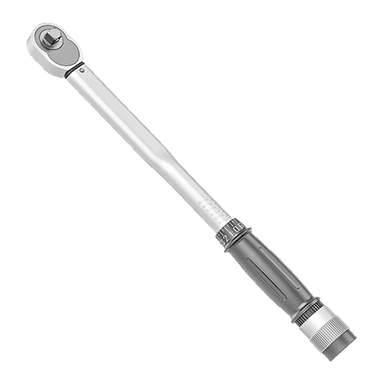
- Torque wrench (5-25 Nm range)
- Battery terminal puller (specialty)
- Battery terminal cleaning brush
- Trim clip tool
- Work light
- Nitrile gloves
- Safety glasses
🔩 Required Parts
HowToo sells all the parts you need for this repair:
- 12V battery (Group 96R / H6, top-post) - Qty: 1
- Battery terminal anti-corrosion pads - Qty: 2
- Dielectric grease - Qty: 1
📋 Before You Begin
- Park on level ground, shift to Park, and set the parking brake.
- Open the hood and support it securely.
- If you have a radio code or custom settings, expect they may reset after battery replacement.
- Terminals are the metal clamps on the battery posts.
🔨 Step-by-Step Instructions
Follow these steps in order:
Step 1: Access the battery
- Use a trim clip tool if you need to pop up any small retainers for the battery cover/insulator (if equipped).
- Use a work light so you can clearly see the hold-down and both terminals.
Step 2: Disconnect the negative (-) terminal
- Locate the negative (-) cable (usually black and marked “-”).
- Use an 8mm socket with a 1/4" drive ratchet to loosen the terminal pinch nut.
- Twist the clamp gently and lift it off the battery post.
- If it’s stuck, use a battery terminal puller (specialty) (this tool presses the clamp off without damage).
- Torque on install: Torque to 7 Nm (62 in-lbs)
Step 3: Disconnect the positive (+) terminal
- Locate the positive (+) cable (usually red and marked “+”).
- Use an 8mm socket with a 1/4" drive ratchet to loosen the terminal pinch nut.
- Lift the clamp off the post and move it aside so it cannot spring back onto the battery.
- Torque on install: Torque to 7 Nm (62 in-lbs)
Step 4: Remove the battery hold-down
- Find the battery hold-down clamp at the base of the battery.
- Use a 10mm socket, 6" extension, and 1/4" drive ratchet to remove the hold-down bolt.
- Remove the clamp and set it aside.
- Torque on install: Torque to 10 Nm (89 in-lbs)
Step 5: Lift out the old battery
- Wearing nitrile gloves and safety glasses, lift the battery straight up and out.
- Batteries are heavy; lift with legs.
Step 6: Clean the terminals and prep for the new battery
- Use a battery terminal cleaning brush to clean the inside of both cable clamps.
- Install battery terminal anti-corrosion pads on the new battery posts (one per post).
- Apply a thin film of dielectric grease to the outside of the posts after the clamps are installed (helps slow corrosion).
Step 7: Install the new battery
- Place the new battery into the tray in the same orientation as the old one (positive and negative on the correct sides).
- Reinstall the hold-down clamp and bolt using a 10mm socket, extension, and ratchet.
- Use a torque wrench to finish: Torque to 10 Nm (89 in-lbs)
Step 8: Reconnect the terminals (positive first, negative last)
- Install the positive (+) clamp first and tighten with an 8mm socket.
- Use a torque wrench: Torque to 7 Nm (62 in-lbs)
- Install the negative (-) clamp last and tighten with an 8mm socket.
- Use a torque wrench: Torque to 7 Nm (62 in-lbs)
- Snug is good; overtightening can crack clamps.
Step 9: Battery Monitoring System (BMS) reset (recommended)
- Option A (scan tool): Use a scan tool with Ford service functions (specialty) to run the BMS reset for the Escape.
- Option B (manual reset used on many Ford vehicles): With ignition ON (engine OFF), flash the high beams 5 times, then press the brake pedal 3 times within 10 seconds; then turn ignition OFF and wait 1 minute.
- BMS learns the new battery for proper charging.
✅ After Repair
- Start the engine and confirm it cranks strongly.
- Check that no warning lights stay on after a short drive.
- Verify the battery is secure (it should not move when pushed by hand).
- Reset the clock and re-save radio presets if needed.
- If you see “Charging System” messages or repeated low-battery symptoms, have the alternator and battery tested.
💰 DIY vs Shop Cost
Shop Cost: $220-$420 (parts + labor)
DIY Cost: $160-$280 (parts only)
You Save: $60-$140 by doing it yourself!
Shop labor rates vary but typically run $100-$150/hour. This repair takes a shop approximately 0.5-1.0 hours.
🎯 Ready to get started?
HowToo makes it easy: same-day/2-day shipping on every part, plus all the tools and specialty tools you need! Check out the parts and tools sections below to add everything to your cart.