



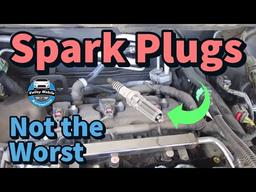




How to Replace Spark Plugs on a 2022 Ford Explorer 3.3L V6
Step-by-step DIY spark plug change with tools, parts list, torque specs, and safety tips
How to Replace Spark Plugs on a 2022 Ford Explorer 3.3L V6
Step-by-step DIY spark plug change with tools, parts list, torque specs, and safety tips


🔧 Explorer - Spark Plug Replacement
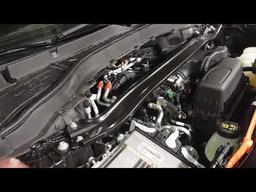
You'll be replacing all six spark plugs on your Explorer to restore smooth running, power, and fuel economy. On this engine, three plugs are easy to reach; the other three require removing the upper intake manifold (the big plastic air passage on top of the engine).
Difficulty Level: Advanced (because of intake removal) | Estimated Time: 3–5 hours
⚠️ Safety & Precautions
- ⚠️ Work on a cold engine; hot aluminum parts strip easily and can burn you.
- ⚠️ Disconnect the negative battery cable before unplugging coils and sensors to avoid short circuits.
- ⚠️ Keep dirt out of the spark plug holes and intake ports; any debris inside can damage the engine.
- ⚠️ Do not overtighten spark plugs; aluminum cylinder heads strip easily. Always follow the torque spec.
- ⚠️ When the upper intake manifold is off, never drop tools or hardware into the open intake ports.
🔧 Required Tools
You'll need the following tools for this repair:
- 🛠️ 3/8" drive ratchet
- 🛠️ 1/4" drive ratchet
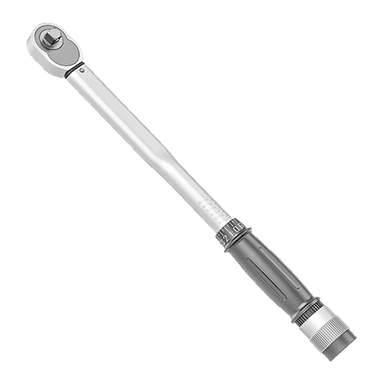
- 🛠️ 3/8" drive torque wrench (5–60 ft-lbs range)
- 🛠️ 1/4" drive torque wrench (30–120 in-lbs range)
- 🛠️ 10mm socket
- 🛠️ 8mm socket
- 🛠️ 7mm socket
- 🛠️ E8 external Torx socket
- 🛠️ 5/8" spark plug socket (with rubber insert or magnet)
- 🛠️ 3/8" drive extension 3"
- 🛠️ 3/8" drive extension 6"
- 🛠️ Universal joint (3/8" drive)
- 🛠️ Flat trim tool or flathead screwdriver (small)
- 🛠️ Needle-nose pliers
- 🛠️ Spark plug gap gauge (wire or coin type)
- 🛠️ Shop vacuum
- 🛠️ Fender cover or old blanket
- 🛠️ Work light
- 🛠️ Gloves
- 🛠️ Safety glasses
🔩 Required Parts
HowToo sells all the parts you need for this repair:
- 🔩 Iridium spark plugs (Ford-spec for 3.3L V6) - Qty: 6
- 🔩 Upper intake manifold gasket set - Qty: 1
- 🔩 Throttle body gasket - Qty: 1
- 🔩 Dielectric grease (for coil boots) - Qty: 1 small tube
- 🔩 Anti-seize compound (high-temp, nickel-based) - Qty: 1 small tube
- 🔩 Shop towels - Qty: 1 pack
- 🔩 Throttle body cleaner (sensor-safe) - Qty: 1 (optional but recommended)
📋 Before You Begin
- Park the Explorer on level ground, shift to Park, and set the parking brake.
- Open the hood and let the engine cool completely (at least 45–60 minutes).
- Disconnect the negative battery cable using a 10mm socket and move the cable aside so it cannot spring back.
- Remove any plastic engine cover by lifting it up; it is usually held by rubber grommets.
- Lay a fender cover or blanket over the front to protect paint while you lean in.
🔨 Step-by-Step Instructions
Follow these steps in order:
Step 1: Remove air intake duct
- Loosen the clamps on the big black air tube going from the air filter box to the throttle body using an 8mm socket.
- Unplug the mass air flow (MAF) sensor electrical connector by lifting the tab with a flat trim tool and pulling gently.
- Disconnect any small vacuum hoses or resonator tubes attached to the duct by hand or with needle-nose pliers.
- Lift the duct off the airbox and throttle body and set it aside.
Step 2: Remove visible front-bank ignition coils
- The ignition coils are the small black units on top of the engine with a single electrical connector; each coil sits over a spark plug.
- Unplug the electrical connector from each of the three front coils by pressing the tab with a flat trim tool and pulling straight back.
- Remove each coil hold-down bolt using a 7mm socket.
- Gently twist and pull each coil upward to remove it from the spark plug well. Twist first to break the rubber seal.
Step 3: Clean and remove front spark plugs
- Use a shop vacuum and a small nozzle to suck out any dirt around each spark plug hole.
- Install the 5/8" spark plug socket onto a 3/8" extension and ratchet.
- Carefully loosen each spark plug by turning counterclockwise. If a plug feels very tight, gently work it back and forth instead of forcing it.
- Once loose, remove the ratchet and spin the extension by hand to finish unscrewing the plug, then lift it out.
Step 4: Prepare and install new front spark plugs
- Check the gap on each new plug with a spark plug gap gauge. It should be about 0.031–0.035 in (0.8–0.9 mm). The plugs should be pre-gapped; do not bend the tiny center electrode if it is iridium.
- Lightly coat only the plug threads with a very thin film of anti-seize compound. Too much changes torque.
- Place the new plug into the 5/8" spark plug socket and lower it into the hole by hand.
- Thread each plug in by hand (no ratchet) until fully seated. If you feel resistance right away, back it out and start again to avoid cross-threading.
- Attach the torque wrench to the extension and tighten each plug to 20 Nm (15 ft-lbs).
Step 5: Reinstall front ignition coils
- Put a tiny dab of dielectric grease inside each coil boot opening.
- Push each coil straight down onto its plug until it seats fully.
- Reinstall the coil hold-down bolts using a 7mm socket and torque to 8 Nm (71 in-lbs).
- Plug in the coil electrical connectors until they click.
Step 6: Prepare to remove upper intake manifold for rear bank
- The rear three spark plugs are under the upper intake manifold (the large black plastic piece on top, toward the firewall).
- Label any vacuum hoses or connectors you remove with tape and a marker. Helps during reassembly.
- Unplug sensors and connectors attached to the manifold and throttle body using your fingers or a flat trim tool.
- Remove any small brackets attached to the manifold with an 8mm socket or E8 external Torx socket.
Step 7: Remove throttle body and manifold bolts
- Unplug the throttle body electrical connector.
- Remove the throttle body mounting bolts using an 8mm socket. Carefully pull the throttle body away and set it aside with hoses still attached if possible.
- Remove the upper intake manifold mounting bolts using a 10mm socket. There are several across the top and possibly some at the rear—note their positions.
- Keep bolts in order; you can poke them into cardboard with labels.
Step 8: Lift off upper intake manifold
- Gently lift the intake manifold up and toward the front of the vehicle. If it feels stuck, check for any missed bolts or hoses before pulling harder.
- Once free, flip it over or move it carefully to a clean area; do not stress attached hoses.
- Cover the now-exposed intake ports on the engine with clean shop towels to prevent anything from falling in.
Step 9: Remove rear ignition coils and spark plugs
- Unplug the electrical connectors for the three rear coils by hand or with a flat trim tool.
- Remove the coil hold-down bolts using a 7mm socket and pull out the coils.
- Use the shop vacuum to clean around the rear plug wells.
- Use the 5/8" spark plug socket, extension, and possibly a universal joint with your ratchet to remove the three rear spark plugs just as you did the front ones.
Step 10: Install new rear spark plugs
- Check gap with the spark plug gap gauge again and lightly coat threads with anti-seize compound (thin film).
- Start each plug by hand to avoid cross-threading.
- Torque each rear plug to 20 Nm (15 ft-lbs) with the torque wrench.
Step 11: Reinstall rear ignition coils
- Apply a small dab of dielectric grease to each rear coil boot.
- Install the coils, push them fully down onto the plugs, and reinstall the hold-down bolts with a 7mm socket.
- Tighten the coil bolts to 8 Nm (71 in-lbs).
- Reconnect all coil electrical connectors until they click.
Step 12: Install new intake gaskets and intake manifold
- Remove the old upper intake manifold gaskets from the manifold (they are usually rubber rings) and clean the sealing surfaces with a clean shop towel.
- Install the new upper intake manifold gasket set into the grooves in the manifold.
- If you removed the throttle body, install a new throttle body gasket as well.
- Remove the shop towels covering the intake ports, making sure nothing falls in.
- Carefully lower the intake manifold back into position on the engine, aligning the bolt holes and ports.
Step 13: Torque manifold and throttle body
- Install the intake manifold bolts by hand first, then snug them with a 10mm socket.
- Torque the intake manifold bolts in a criss-cross pattern to 15 Nm (11 ft-lbs) using your torque wrench.
- Reinstall the throttle body with an 8mm socket and torque the bolts to 10 Nm (89 in-lbs).
- Reconnect all electrical connectors, vacuum hoses, and brackets you removed earlier using the appropriate 8mm socket or E8 external Torx socket.
Step 14: Reinstall air intake duct and reconnect battery
- Reinstall the air intake duct onto the airbox and throttle body, then tighten the clamps with an 8mm socket.
- Reconnect the MAF sensor and any other sensors or hoses on the duct.
- If your Explorer has an engine cover, push it back into place.
- Reconnect the negative battery cable using a 10mm socket and tighten snugly.
✅ After Repair
- Start the engine and let it idle. It may run slightly rough for a few seconds while the computer relearns.
- Listen for hissing noises (vacuum leaks) around the intake manifold and throttle body. If you hear a hiss, shut off the engine and recheck hoses and bolts.
- Verify that the Check Engine light stays off. If it was on before for misfires, it may clear after a few drive cycles or you can clear it with a scan tool.
- Take a short test drive, checking for smooth acceleration and no hesitation.
💰 DIY vs Shop Cost
Shop Cost: $450–$750 (parts + labor)
DIY Cost: $90–$180 (parts only)
You Save: $360–$570 by doing it yourself!
Shop labor rates vary but typically run $100–$150/hour. This repair takes a shop approximately 2–3 hours.
🎯 Ready to get started?
HowToo makes it easy: same-day/2-day shipping on every part, plus all the tools and specialty tools you need! Check out the parts and tools sections above to add everything to your cart.