

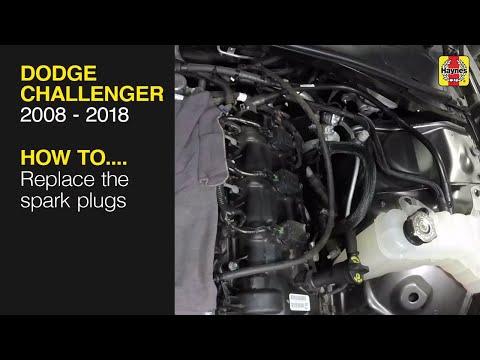






How to Replace Spark Plugs on a 2018 Dodge Challenger 6.4L HEMI (All 16 Plugs)
Step-by-step instructions with required tools, parts list, cylinder layout, and torque specs for 2011, 2012, 2013, 2014, 2015, 2016, 2017, 2018, 2019, 2020, 2021
How to Replace Spark Plugs on a 2018 Dodge Challenger 6.4L HEMI (All 16 Plugs)
Step-by-step instructions with required tools, parts list, cylinder layout, and torque specs for 2011, 2012, 2013, 2014, 2015, 2016, 2017, 2018, 2019, 2020, 2021


🔧 Challenger - Spark Plug Replacement
Your Challenger’s 6.4L HEMI uses 16 spark plugs (two per cylinder). Replacing them restores smooth idle, strong acceleration, and helps prevent misfires under load.
Difficulty Level: Intermediate | Estimated Time: 2.0-4.0 hours
⚠️ Safety & Precautions
- 🧯 Work on a completely cool engine; hot aluminum threads can strip.
- 🧤 Disconnect the negative battery cable to prevent accidental shorting.
- 👓 Keep dirt out of the spark plug holes; debris can damage the cylinder.
- 🔥 Never pull on the wiring; unplug connectors by the lock tab.
🔧 Required Tools
You'll need the following tools for this repair:
- Safety glasses
- Nitrile gloves
- 10mm socket
- 3/8" drive ratchet
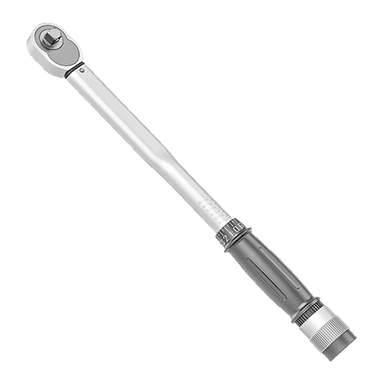
- 3/8" drive torque wrench (5–30 ft-lbs range)
- 5/8" spark plug socket
- 3/8" drive extension set (3" and 6")
- 3/8" universal joint adapter
- Small flathead screwdriver
- Compressed air blow gun
- Feeler gauge (inch)
- Magnetic pickup tool
- Flashlight
🔩 Required Parts
HowToo sells all the parts you need for this repair:
- Spark plugs (6.4L HEMI, correct heat range) - Qty: 16
- Dielectric grease - Qty: 1
📋 Before You Begin
- 🅿️ Park on level ground, transmission in neutral, parking brake set.
- 🧊 Let the engine cool fully (at least 1–2 hours after driving).
- 🔋 Open the trunk and disconnect the battery negative cable using a 10mm socket.
- 🏷️ Optional but helpful: label coil connectors by cylinder so nothing gets mixed up.
🔨 Step-by-Step Instructions
Follow these steps in order:
Step 1: Remove the engine cover (if equipped)
- Lift up firmly at the corners to pop it off (no tools usually needed).
- Use a flashlight to locate the ignition coils (one coil per cylinder).
Step 2: Unplug one coil at a time
- Press the connector lock tab and pull the connector straight off. Use a small flathead screwdriver only if the lock tab is stubborn.
- Do one cylinder at a time to avoid mix-ups.
Step 3: Remove the coil
- Remove the coil retaining bolt using a 10mm socket and 3/8" ratchet.
- Twist the coil boot slightly, then pull the coil straight up and out.
- Set the coil aside where it won’t get dirty.
- When reinstalling later: Torque to 8 Nm (71 in-lbs).
Step 4: Blow out the spark plug wells
- Use the compressed air blow gun to blow debris away from the spark plug hole before removing the plug.
- This prevents grit from falling into the cylinder.
Step 5: Remove the spark plugs (two per cylinder)
- Use a 5/8" spark plug socket (a socket with a rubber insert that grips the plug), plus a 3" or 6" extension and 3/8" ratchet.
- If access is tight, add a 3/8" universal joint adapter.
- Turn counterclockwise to remove. If a plug feels stuck, stop and work it gently back and forth.
- Use a magnetic pickup tool if a plug starts to slip while lifting it out.
Step 6: Check and set the plug gap (only if needed)
- Use a feeler gauge (inch) to verify the gap matches the spec for the plug set you purchased.
- If they are “pre-gapped,” don’t force-adjust unless one is clearly off.
Step 7: Install the new spark plugs by hand first
- Place the new plug in the 5/8" spark plug socket and carefully start the threads by hand using the extension only (no ratchet at first).
- If it doesn’t thread in smoothly, back it out and retry—don’t force it.
- Tighten with a 3/8" drive torque wrench: Torque to 17 Nm (13 ft-lbs).
Step 8: Reinstall coils and connectors
- Put a small dab of dielectric grease inside the end of each coil boot (this helps prevent moisture and eases future removal).
- Push the coil straight down until it seats.
- Install the coil bolt using a 10mm socket, then Torque to 8 Nm (71 in-lbs) with a torque wrench.
- Reconnect the coil electrical connector until it clicks.
Step 9: Repeat for all cylinders
- Replace all plugs across the engine: 16 total (two per cylinder).
- Cylinder layout reference (helpful when labeling): passenger side front-to-rear 1-3-5-7, driver side front-to-rear 2-4-6-8.
Step 10: Reconnect battery and reinstall engine cover
- Reconnect the negative battery cable using a 10mm socket.
- Press the engine cover back into place.
✅ After Repair
- 🔍 Start the engine and listen for a smooth idle (no shaking/misfire).
- 🚗 Take a short test drive and verify acceleration is smooth under load.
- 🛠️ If you have a check engine light after the job, scan for codes—an unplugged coil connector is the most common cause.
- 👃 If you smell fuel or hear a “puffing” sound, shut it off and re-check plug torque and coil seating.
💰 DIY vs Shop Cost
Shop Cost: $450-$900 (parts + labor)
DIY Cost: $140-$320 (parts only)
You Save: $310-$580 by doing it yourself!
Shop labor rates vary but typically run $100-$150/hour. This repair takes a shop approximately 2-4 hours.
🎯 Ready to get started?
HowToo makes it easy: same-day/2-day shipping on every part, plus all the tools and specialty tools you need! Check out the parts and tools sections below to add everything to your cart.