

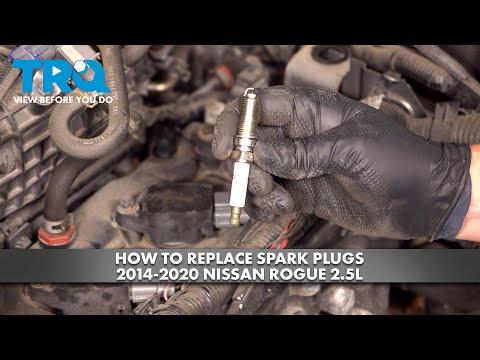





How to Replace Spark Plugs on a 2017 Nissan Rogue 2.5L
Step-by-step instructions with tools, parts, torque specs, and safety tips for 2015, 2016, 2017
How to Replace Spark Plugs on a 2017 Nissan Rogue 2.5L
Step-by-step instructions with tools, parts, torque specs, and safety tips for 2015, 2016, 2017


🔧 Spark Plugs - Replacement
Your Rogue uses a 2.5L 4-cylinder engine with coil-on-plug ignition, so the spark plugs are under the ignition coils and intake ducting. This job is mostly careful disassembly, then proper plug gap and torque on reassembly.
Difficulty Level: Intermediate | Estimated Time: 1.5-2.5 hours
⚠️ Safety & Precautions
- Work on a cold engine only. Hot aluminum threads can be damaged easily.
- Disconnect the negative battery terminal before touching ignition coils.
- Keep dirt out of the spark plug wells. Debris can fall into the engine.
- Use only a spark plug socket with a rubber insert or magnetic grip.
- Do not over-tighten the new plugs. The cylinder head threads are aluminum.
🔧 Required Tools
You'll need the following tools for this repair:
- 10mm socket
- 12mm socket
- Ratchet
- 6-inch extension
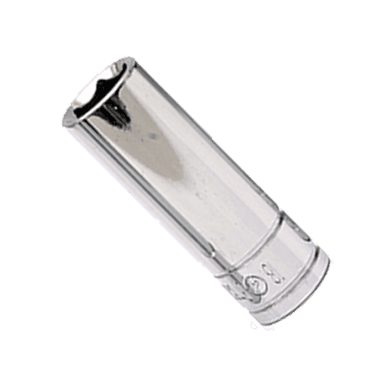
- 3/8-inch spark plug socket
- Torque wrench
- Flat-head screwdriver
- Trim clip tool
- Needle-nose pliers
- Shop vacuum
- Safety glasses
- Mechanic gloves
🔩 Required Parts
HowToo sells all the parts you need for this repair:
- Spark plug set - Qty: 4
- Throttle body gasket - Qty: 1
- Intake duct clamps or hose clamps - Qty: 1 set
📋 Before You Begin
- Park on level ground and set the parking brake.
- Let the engine cool fully.
- Save radio presets if needed before disconnecting the battery.
- Disconnect the negative battery terminal using a 10mm socket.
🔨 Step-by-Step Instructions
Follow these steps in order:
Step 1: Remove the engine cover and intake duct
- Use your hands to lift off the engine cover if equipped.
- Use a flat-head screwdriver or 10mm socket to loosen the intake tube clamps.
- Remove any air duct fasteners with a trim clip tool if fitted.
- Set the intake duct aside so you can reach the ignition coils.
Step 2: Disconnect the battery
- Use a 10mm socket to remove the negative battery cable.
- Move the cable aside so it cannot spring back to the terminal.
Step 3: Remove the ignition coil connectors
- Press each coil electrical connector tab and pull the connector off by hand.
- If a connector is stuck, use a small flat-head screwdriver gently on the lock tab.
- Do not pull on the wires.
Step 4: Remove the ignition coils
- Use a 10mm socket to remove each coil retaining bolt.
- Twist each coil gently, then pull it straight out.
- Twist first, then lift.
Step 5: Clean the spark plug wells
- Use a shop vacuum to remove dirt around each plug well.
- If needed, blow out light debris carefully before removing the plugs.
- Keep all dirt out of the cylinders.
Step 6: Remove the old spark plugs
- Use a 3/8-inch spark plug socket, 6-inch extension, and ratchet to remove each plug.
- Turn slowly to avoid cross-threading or binding.
- Remove one plug at a time so you can inspect wear patterns.
Step 7: Check and install the new spark plugs
- Verify the plug gap matches specification before install.
- Thread each new plug in by hand first using the spark plug socket and extension.
- Once seated, tighten with a torque wrench to 18 Nm (13 ft-lbs).
- Hand-start every plug.
Step 8: Reinstall the ignition coils
- Push each coil straight down onto its spark plug.
- Install the coil bolts with a 10mm socket.
- Torque to 7.8 Nm (69 in-lbs).
- Reconnect each coil electrical connector until it clicks.
Step 9: Reassemble the intake system
- Reinstall the intake duct and tighten the clamps with a flat-head screwdriver or 10mm socket.
- Reinstall the engine cover by hand.
- Make sure all hoses and connectors are fully seated.
Step 10: Reconnect the battery and verify operation
- Reconnect the negative battery terminal using a 10mm socket.
- Start the engine and let it idle.
- Listen for misfires, rough idle, or check engine lights.
✅ After Repair
- Test drive the Rogue for smooth acceleration and idle.
- If the check engine light is on, scan for misfire codes.
- If you used anti-seize, make sure you did not over-apply it. Use a tiny amount only if needed.
- Recheck all coil connectors and intake clamps after the first drive.
💰 DIY vs Shop Cost
Shop Cost: $250-$450 (parts + labor)
DIY Cost: $40-$120 (parts only)
You Save: $210-$330 by doing it yourself!
Shop labor rates vary but typically run $100-$150/hour. This repair takes a shop approximately 1.5-2.0 hours.
🎯 Ready to get started?
HowToo makes it easy: same-day/2-day shipping on every part, plus all the tools and specialty tools you need! Check out the parts and tools sections below to add everything to your cart.