

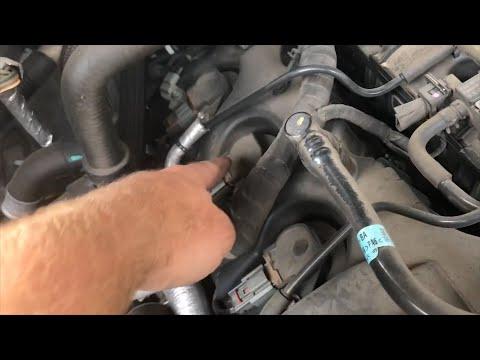






How to Replace Spark Plugs on a 2016 Ford Expedition (3.5L EcoBoost)
Step-by-step DIY guide with tools, spark plug gap tips, and torque specs for coils and plugs for 2015, 2016, 2017, 2018
How to Replace Spark Plugs on a 2016 Ford Expedition (3.5L EcoBoost)
Step-by-step DIY guide with tools, spark plug gap tips, and torque specs for coils and plugs for 2015, 2016, 2017, 2018


🔧 Expedition - Spark Plug Replacement
Replacing spark plugs restores strong ignition, smooth idle, and fuel economy. On your Expedition’s 3.5L turbo engine, plugs wear faster than non-turbo engines, so fresh plugs help prevent misfires under boost.
Difficulty Level: Intermediate | Estimated Time: 1.5-3.0 hours
⚠️ Safety & Precautions
- ⚠️ Work on a fully cool engine to avoid burns and stripped threads.
- ⚠️ Keep dirt out of the spark plug holes; debris can damage the engine.
- ⚠️ Do not use anti-seize on modern plated spark plug threads unless the plug maker specifically says to.
- ⚠️ If you disconnect the battery, use a 10mm socket and remove the negative terminal first.
🔧 Required Tools
You'll need the following tools for this repair:
- Safety glasses
- Nitrile gloves
- 1/4" drive ratchet
- 3/8" drive ratchet
- 3/8" drive torque wrench (50-250 in-lb range)
- 7mm socket
- 8mm socket
- 10mm socket
- 5/8" spark plug socket
- 3/8" drive extension set (3", 6", 12")
- 3/8" drive universal joint swivel
- Trim clip removal tool
- Flathead screwdriver
- Compressed air blow gun
- Feeler gauge set
- Small pick tool
- Flashlight
🔩 Required Parts
HowToo sells all the parts you need for this repair:
- Spark plugs (OEM-spec for 3.5L turbo) - Qty: 6
- Dielectric grease - Qty: 1
📋 Before You Begin
- Park on level ground, shift to Park, and set the parking brake.
- Let the engine cool completely (cold to the touch).
- Pop the hood and remove loose items from the engine bay.
- Tip: Take a quick photo of hose routing.
🔨 Step-by-Step Instructions
Follow these steps in order:
Step 1: Remove the engine cover
- Lift the engine cover straight up (it’s held by rubber grommets).
- Use a flashlight to locate all six ignition coils (one per cylinder).
Step 2: Create working room at the front bank (easy side)
- If the air inlet tube blocks access, loosen the clamp(s) with a flathead screwdriver or 7mm socket and move the tube aside.
- Use an 8mm socket or 10mm socket to remove any small brackets that limit access (set bolts aside in a tray).
Step 3: Unplug and remove one ignition coil
- Work one cylinder at a time so parts don’t get mixed up.
- Press the coil connector tab and unplug it. If it’s stubborn, use a small pick tool gently (do not break the tab).
- Remove the coil hold-down bolt with an 8mm socket.
- Twist the coil boot slightly, then pull the coil straight up and out.
- Ignition coil = the “stick” that snaps onto the plug.
Step 4: Clean the spark plug well
- Blow out the plug hole using a compressed air blow gun so dirt can’t fall into the cylinder.
Step 5: Remove the old spark plug
- Use a 5/8" spark plug socket, 3/8" drive extension, and 3/8" drive ratchet to loosen and remove the plug.
- If it feels extremely tight, stop and re-check that the engine is cold.
Step 6: Check and prepare the new spark plug
- Verify the new plug gap using a feeler gauge set. (Many OEM-style plugs come pre-gapped, but you still verify.)
- Do not apply anti-seize unless the plug manufacturer instructs it.
- Put a tiny smear of dielectric grease inside the coil boot (not on the plug threads).
- Dielectric grease helps prevent moisture and sticking.
Step 7: Install the new spark plug (don’t cross-thread)
- Place the new plug into the 5/8" spark plug socket.
- Start threading it by hand using only the extension (no ratchet at first). It should spin in smoothly.
- Once seated, tighten with a 3/8" drive torque wrench to Torque to 15 Nm (133 in-lb).
Step 8: Reinstall the ignition coil
- Push the coil straight down until it fully seats on the plug.
- Install the coil bolt using an 8mm socket, then torque with a 3/8" drive torque wrench to Torque to 5 Nm (44 in-lb).
- Reconnect the electrical connector until it clicks.
Step 9: Repeat for the remaining 5 cylinders (rear bank is tighter)
- Use a 3/8" drive universal joint swivel plus 6" and 12" extensions to access the rear bank plugs.
- If a plastic cowl/trim panel limits access, remove push-pins with a trim clip removal tool to gain room.
- Tip: Go slow; tight access is normal.
Step 10: Reassemble the intake tube and engine cover
- Reinstall any brackets with an 8mm socket or 10mm socket.
- Reinstall the air inlet tube and tighten clamps with a 7mm socket or flathead screwdriver.
- Press the engine cover back onto its grommets.
✅ After Repair
- Start the engine and listen for a smooth idle (no shaking).
- If the check engine light comes on or it runs rough, re-check that every coil connector is fully clicked in.
- Test drive for 10 minutes with light acceleration first, then moderate acceleration.
- Re-check that the intake tube clamps are snug (no hissing/boost leak sounds).
💰 DIY vs Shop Cost
Shop Cost: $350-$700 (parts + labor)
DIY Cost: $60-$180 (parts only)
You Save: $170-$640 by doing it yourself!
Shop labor rates vary but typically run $100-$150/hour. This repair takes a shop approximately 1.5-3.0 hours.
🎯 Ready to get started?
HowToo makes it easy: same-day/2-day shipping on every part, plus all the tools and specialty tools you need! Check out the parts and tools sections below to add everything to your cart.