

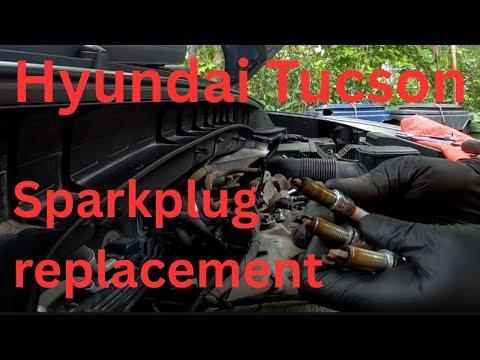





How to Replace Spark Plugs on a 2016-2018 Hyundai Tucson 1.6L Turbo (Engine: Inline 4 1.6L)
Step-by-step DIY guide with tools, iridium plugs, torque specs, and safety tips for 2016, 2017, 2018
How to Replace Spark Plugs on a 2016-2018 Hyundai Tucson 1.6L Turbo (Engine: Inline 4 1.6L)
Step-by-step DIY guide with tools, iridium plugs, torque specs, and safety tips for 2016, 2017, 2018


🔧 Tucson - Spark Plug Replacement
Replacing the spark plugs on your Tucson helps restore smooth idle, strong acceleration, and proper fuel economy. The 1.6L turbo engine uses coil-on-plug ignition, which means each spark plug has its own ignition coil sitting directly on top of it.
Difficulty Level: Beginner | Estimated Time: 1-2 hours
⚠️ Safety & Precautions
- ⚠️ Work only on a completely cool engine to avoid burns and thread damage in the aluminum cylinder head.
- ⚠️ Disconnect the negative battery cable before unplugging ignition coils.
- ⚠️ Do not drop debris into the spark plug wells; anything that falls in can damage the engine.
- ⚠️ Start spark plugs by hand only. Cross-threading means the plug is going in crooked and can damage the cylinder head.
- ⚠️ Use the correct heat-range iridium spark plugs for the turbo engine. Do not install basic copper plugs.
🔧 Required Tools
You'll need the following tools for this repair:
- 10mm socket
- 3/8-inch ratchet
- 3/8-inch extension 6-inch
- 5/8-inch spark plug socket
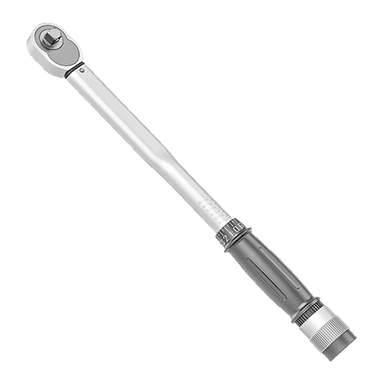
- Torque wrench 3/8-inch drive
- Needle-nose pliers
- Compressed air blow gun
- Spark plug gap gauge
- Fender cover
- Nitrile gloves
- Safety glasses
🔩 Required Parts
HowToo sells all the parts you need for this repair:
- Iridium spark plugs for 1.6L turbo engine - Qty: 4
- Dielectric grease - Qty: 1 small tube
📋 Before You Begin
- Park your Tucson on level ground and set the parking brake.
- Let the engine cool for at least 2 hours if it was recently driven.
- Open the hood and install a fender cover to protect the paint.
- Use a 10mm socket to disconnect the negative battery cable, then move the cable aside so it cannot touch the battery post.
- Keep the new spark plugs in their boxes until each one is ready to install.
🔨 Step-by-Step Instructions
Follow these steps in order:
Step 1: Remove the Engine Cover
- Put on safety glasses and nitrile gloves.
- Grip the plastic engine cover with both hands.
- Pull straight upward to release it from the rubber mounting grommets.
- Set the cover aside in a safe spot.
- Pull upward, not sideways.
Step 2: Locate the Ignition Coils
- The ignition coils are the four black electrical units lined up across the top of the engine.
- An ignition coil creates the high voltage needed to fire each spark plug.
- Each coil has one electrical connector and one hold-down bolt.
Step 3: Clean Around the Coil Area
- Use a compressed air blow gun to blow dirt and grit away from the top of the engine.
- Focus around each ignition coil and spark plug well.
- Do not aim air directly at your face or hands.
Step 4: Disconnect the Ignition Coil Connectors
- Use your fingers to press the release tab on the first ignition coil connector.
- If the connector is tight, use needle-nose pliers gently on the tab only.
- Pull the connector straight back off the coil.
- Repeat for all 4 ignition coils.
- Do not pull on wires.
Step 5: Remove the Ignition Coil Bolts
- Use a 10mm socket, 3/8-inch ratchet, and 3/8-inch extension 6-inch to remove the coil hold-down bolt from the first coil.
- Repeat for the remaining 3 coil bolts.
- Keep the bolts in a small tray so they do not get lost.
Step 6: Remove the Ignition Coils
- Twist the first ignition coil slightly by hand to loosen the rubber boot.
- Pull the coil straight upward out of the spark plug well.
- Repeat for all 4 coils.
- Lay the coils in order from left to right so they go back into the same cylinders.
- Keeping parts in order helps diagnosis later.
Step 7: Clean the Spark Plug Wells
- Use a compressed air blow gun to blow out each spark plug well before removing the plugs.
- A spark plug well is the deep tube where the spark plug sits.
- Make sure no sand, leaves, or grit remain in the wells.
Step 8: Remove the Old Spark Plugs
- Install the 5/8-inch spark plug socket on the 3/8-inch extension 6-inch and 3/8-inch ratchet.
- Lower the socket straight down onto the first spark plug.
- Turn counterclockwise slowly to loosen the plug.
- Once loose, spin it out gently and lift it out with the spark plug socket.
- Repeat for all 4 spark plugs.
- If a plug feels stuck, stop and tighten it slightly, then loosen again slowly.
Step 9: Check the New Spark Plugs
- Use a spark plug gap gauge to carefully verify the gap on each new plug.
- The spark plug gap is the small space where the spark jumps.
- Use the plug manufacturer’s listed gap for your Tucson’s 1.6L turbo application.
- Do not force-adjust fine-wire iridium tips unless the plug maker specifically allows it.
- Do not apply anti-seize to modern plated spark plug threads unless the plug manufacturer requires it.
Step 10: Install the New Spark Plugs by Hand
- Place one new spark plug into the 5/8-inch spark plug socket.
- Lower it into the first spark plug well using the 3/8-inch extension 6-inch.
- Turn the extension clockwise by hand only until the plug is fully seated.
- If it does not turn easily, remove it and start again.
- Repeat for all 4 spark plugs.
- Hand-starting prevents expensive thread damage.
Step 11: Torque the New Spark Plugs
- Attach the torque wrench 3/8-inch drive to the 5/8-inch spark plug socket and 3/8-inch extension 6-inch.
- Tighten each spark plug evenly.
- Torque to 25 Nm (18 ft-lbs).
- Do not overtighten. The cylinder head is aluminum and can be damaged.
Step 12: Apply Dielectric Grease
- Apply a small dab of dielectric grease inside the end of each ignition coil boot.
- Dielectric grease is an electrical-safe grease that helps keep moisture out and prevents the rubber boot from sticking.
- Do not smear grease on the metal spark plug threads or the spark plug tip.
Step 13: Reinstall the Ignition Coils
- Push each ignition coil straight down into its original spark plug well by hand.
- You should feel the rubber boot seat onto the spark plug.
- Install each coil hold-down bolt by hand first.
- Use a 10mm socket, 3/8-inch extension 6-inch, and torque wrench 3/8-inch drive to tighten the bolts.
- Torque to 10 Nm (89 in-lbs).
Step 14: Reconnect the Ignition Coil Connectors
- Push each electrical connector straight onto its ignition coil by hand.
- Listen or feel for a click from the connector lock.
- Lightly tug each connector to make sure it is locked.
Step 15: Reinstall the Engine Cover and Battery Cable
- Line up the plastic engine cover with the mounting grommets.
- Press down firmly by hand until it seats.
- Use a 10mm socket to reconnect the negative battery cable.
- Torque to 5 Nm (44 in-lbs).
✅ After Repair
- Start your Tucson and let it idle for 1-2 minutes.
- The idle may briefly relearn after the battery disconnect, then smooth out.
- Check that the engine does not shake, stumble, or show a check engine light.
- Take a short test drive and verify smooth acceleration under light throttle.
- If the check engine light flashes, stop driving and recheck coil connectors and plug installation.
💰 DIY vs Shop Cost
Shop Cost: $250-$450 (parts + labor)
DIY Cost: $55-$130 (parts only)
You Save: $120-$320 by doing it yourself!
Shop labor rates vary but typically run $100-$150/hour. This repair takes a shop approximately 1-1.5 hours.
🎯 Ready to get started?
HowToo makes it easy: same-day/2-day shipping on every part, plus all the tools and specialty tools you need! Check out the parts and tools sections below to add everything to your cart.