

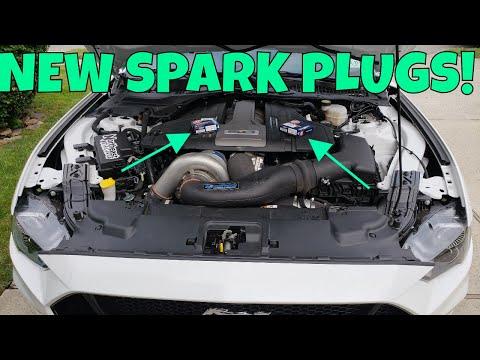





How to Replace Spark Plugs on a 2011-2026 Ford Mustang 5.0L V8 (Engine: V8 5.0L)
Step-by-step DIY guide with tools, parts, torque specs, safety tips, and cost savings for 2011, 2012, 2013, 2014, 2015, 2016, 2017
How to Replace Spark Plugs on a 2011-2026 Ford Mustang 5.0L V8 (Engine: V8 5.0L)
Step-by-step DIY guide with tools, parts, torque specs, safety tips, and cost savings for 2011, 2012, 2013, 2014, 2015, 2016, 2017


🔧 Spark Plugs - Replacement
Changing the spark plugs on your Mustang helps keep the 5.0L V8 running smoothly, starting easily, and delivering proper power. This repair involves removing the ignition coils, replacing all eight spark plugs, and reinstalling everything carefully so the aluminum cylinder heads are not damaged.
Difficulty Level: Beginner | Estimated Time: 1.5-2.5 hours
⚠️ Safety & Precautions
- ⚠️ Work only on a completely cool engine to avoid burns and to protect the aluminum spark plug threads.
- ⚠️ Disconnect the negative battery cable before working on ignition components.
- ⚠️ Do not allow dirt or debris to fall into the spark plug wells.
- ⚠️ Start each new spark plug by hand before using a ratchet to avoid cross-threading.
- ⚠️ Do not over-tighten spark plugs; the cylinder heads are aluminum.
🔧 Required Tools
You'll need the following tools for this repair:
- 10mm socket
- 8mm socket
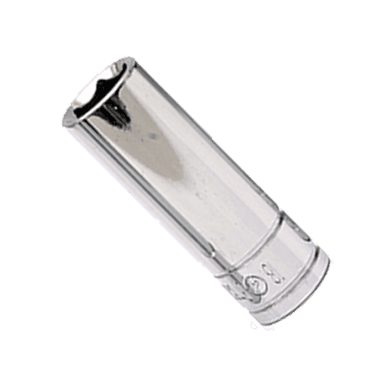
- 5/8 inch spark plug socket
- 3/8 inch drive ratchet
- 3/8 inch drive torque wrench
- 3 inch extension
- 6 inch extension
- Universal joint socket adapter
- Flathead screwdriver
- Spark plug gap gauge
- Compressed air blow gun
- Dielectric grease
- Clean shop towels
- Nitrile gloves
- Safety glasses
🔩 Required Parts
HowToo sells all the parts you need for this repair:
- Spark plugs - Qty: 8
- Ignition coil boots - Qty: 8, optional if worn, cracked, oil-soaked, or loose
📋 Before You Begin
- 🅿️ Park your Mustang on level ground and set the parking brake.
- ❄️ Let the engine cool fully before removing any spark plugs.
- 🔋 Use a 10mm socket to loosen and disconnect the negative battery cable.
- 🧽 Clean around the ignition coils before removal so debris does not enter the spark plug wells.
- 📏 Check the new spark plug gaps before installation. A spark plug gap gauge measures the small opening between the center and ground electrode.
- 🧰 A spark plug socket is a deep socket with a rubber insert or magnet that holds the plug straight while removing or installing it.
🔨 Step-by-Step Instructions
Follow these steps in order:
Step 1: Remove the Engine Appearance Cover
- Use both hands to lift the plastic engine cover straight upward from the rubber mounting grommets.
- Set the cover aside in a safe place.
- Pull evenly, not sideways.
Step 2: Disconnect the Negative Battery Cable
- Use a 10mm socket and ratchet to loosen the negative battery terminal nut.
- Lift the cable off the battery post and move it aside so it cannot spring back.
- This prevents accidental ignition system power while you work.
Step 3: Clear Access to the Ignition Coils
- Use a flathead screwdriver to carefully release any plastic wiring retainers blocking access to the coil tops.
- Move hoses or harnesses gently by hand only if needed.
- Do not unplug sensors unless they are directly blocking a coil connector.
Step 4: Unplug One Ignition Coil
- Start with one spark plug at a time so parts do not get mixed up.
- Press the locking tab on the ignition coil electrical connector by hand.
- Pull the connector straight off the coil.
- If the connector is stuck, use a flathead screwdriver gently on the tab only.
- An ignition coil is the small electrical unit mounted above each spark plug that sends high voltage to fire the plug.
Step 5: Remove the Ignition Coil Bolt
- Use an 8mm socket, 3/8 inch drive ratchet, and 3 inch extension to remove the ignition coil retaining bolt.
- Keep the bolt with that coil so it does not get lost.
Step 6: Remove the Ignition Coil
- Twist the ignition coil gently by hand to loosen the rubber boot.
- Pull the coil straight upward out of the spark plug well.
- Inspect the rubber boot for cracks, oil, swelling, or carbon tracking, which looks like thin black lightning marks.
- Replace the coil boot if it is damaged.
Step 7: Clean the Spark Plug Well
- Put on safety glasses.
- Use a compressed air blow gun to blow dirt out of the spark plug well before loosening the plug.
- Hold a shop towel nearby to catch dust.
- Do not skip this step; dirt can fall into the engine when the plug comes out.
Step 8: Remove the Old Spark Plug
- Use a 5/8 inch spark plug socket, 6 inch extension, and 3/8 inch drive ratchet to loosen the spark plug counterclockwise.
- Use a universal joint socket adapter where access is tight near the rear cylinders.
- Once loose, turn slowly until the plug comes out with the socket.
- If the plug feels unusually tight, stop and turn it back in slightly, then loosen again slowly.
- Slow removal protects the threads.
Step 9: Check the New Spark Plug
- Use a spark plug gap gauge to confirm the new plug gap is correct for your Mustang’s 5.0L V8.
- Do not force the gauge between the electrodes.
- Do not apply anti-seize unless the spark plug manufacturer specifically requires it; most modern plated plugs install dry.
Step 10: Install the New Spark Plug by Hand
- Place the new spark plug into the 5/8 inch spark plug socket.
- Attach the 6 inch extension but do not attach the ratchet yet.
- Lower the plug straight into the spark plug well.
- Turn the extension clockwise by hand until the plug seats lightly.
- If it does not turn easily, remove it and start again.
- Hand-start every plug.
Step 11: Torque the Spark Plug
- Use a 5/8 inch spark plug socket, extension, and 3/8 inch drive torque wrench to tighten the spark plug.
- Torque to 15 Nm (11 ft-lbs).
- Do not tighten past the torque setting.
Step 12: Reinstall the Ignition Coil
- Apply a small amount of dielectric grease inside the end of the rubber coil boot.
- Dielectric grease is a non-conductive silicone grease that helps seal moisture out of the boot.
- Push the ignition coil straight down until the boot fully seats on the spark plug.
- Install the coil retaining bolt using an 8mm socket and ratchet.
- Torque to 6 Nm (53 in-lbs).
Step 13: Reconnect the Ignition Coil Connector
- Push the electrical connector onto the ignition coil by hand until it clicks.
- Lightly tug the connector to confirm it is locked.
Step 14: Repeat for the Remaining Seven Spark Plugs
- Use the same tools and process for each remaining cylinder.
- Work one coil and spark plug at a time.
- Use the universal joint socket adapter and 6 inch extension for tighter rear plug locations.
- Each spark plug gets 15 Nm (11 ft-lbs).
- Each ignition coil bolt gets 6 Nm (53 in-lbs).
Step 15: Reinstall Any Moved Harnesses or Retainers
- Use your hands or a flathead screwdriver to snap any wiring retainers back into place.
- Make sure no wiring is resting on hot or moving parts.
Step 16: Reinstall the Engine Appearance Cover
- Align the plastic engine cover with the rubber grommets.
- Push straight down by hand until it seats securely.
Step 17: Reconnect the Battery
- Place the negative battery cable back onto the battery post.
- Use a 10mm socket and ratchet to tighten the terminal nut snugly.
- Do not over-tighten the battery terminal.
✅ After Repair
- ✅ Start your Mustang and let it idle for 1-2 minutes.
- 👂 Listen for smooth idle and no ticking, popping, or misfire sounds.
- 🔍 Check that every ignition coil connector is fully clicked into place.
- 🚗 Take a short test drive and accelerate gently at first.
- ⚠️ If the check engine light flashes or the engine shakes, stop driving and recheck coil connectors and plug installation.
- 🕒 Some idle relearn behavior may occur after battery disconnect; let the engine idle with accessories off for a few minutes.
💰 DIY vs Shop Cost
Shop Cost: $300-$550 (parts + labor)
DIY Cost: $80-$180 (parts only)
You Save: $220-$370 by doing it yourself!
Shop labor rates vary but typically run $100-$150/hour. This repair takes a shop approximately 1.5-2.0 hours.
🎯 Ready to get started?
HowToo makes it easy: same-day/2-day shipping on every part, plus all the tools and specialty tools you need! Check out the parts and tools sections below to add everything to your cart.