






How to Replace Spark Plugs on a 2011-2018 Subaru Forester 2.5L (Engine: Flat 4 2.5L)
Step-by-step DIY guide with tools, parts, plug gap, torque specs, and safety tips for 2011, 2012, 2013, 2014, 2015, 2016, 2017, 2018
How to Replace Spark Plugs on a 2011-2018 Subaru Forester 2.5L (Engine: Flat 4 2.5L)
Step-by-step DIY guide with tools, parts, plug gap, torque specs, and safety tips for 2011, 2012, 2013, 2014, 2015, 2016, 2017, 2018


🔧 Forester - Spark Plug Replacement
Replacing the spark plugs on your Forester helps restore smooth starting, clean idle, fuel economy, and proper power. The 2.5L flat-4 engine has two spark plugs on each side of the engine, so access is tight but manageable with the right extensions and patience.
Difficulty Level: Intermediate | Estimated Time: 1.5-2.5 hours
⚠️ Safety & Precautions
- ⚠️ Work only on a completely cool engine; the cylinder heads and exhaust are close to the spark plugs.
- ⚠️ Disconnect the negative battery cable before starting to avoid accidental electrical shorts.
- ⚠️ Do not force a spark plug. Cross-threading means the plug is going in crooked and can damage the aluminum cylinder head.
- ⚠️ Use only the correct spark plugs for your Forester. Do not guess on plug type or heat range.
- ⚠️ Replace spark plugs one at a time so ignition coil connectors and locations do not get mixed up.
🔧 Required Tools
You'll need the following tools for this repair:
- 10mm socket
- 12mm socket
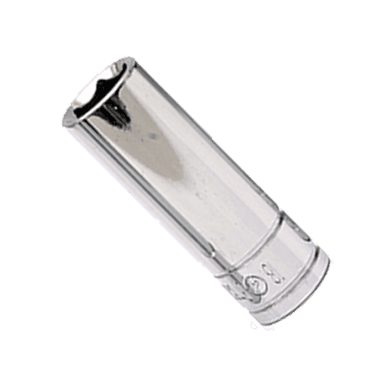
- 14mm spark plug socket
- 3/8-inch drive ratchet
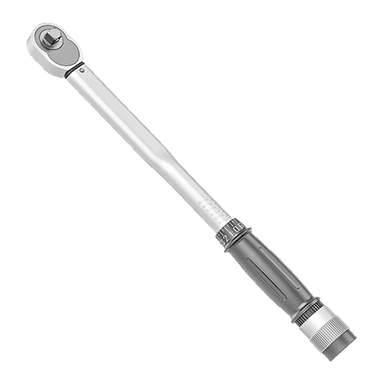
- 3/8-inch drive torque wrench
- 3-inch 3/8-inch drive extension
- 6-inch 3/8-inch drive extension
- 3/8-inch drive universal joint adapter
- Flat-blade screwdriver
- Needle-nose pliers
- Spark plug gap gauge
- Compressed air blow gun
- Battery terminal wrench 10mm
- Mechanic gloves
- Safety glasses
🔩 Required Parts
HowToo sells all the parts you need for this repair:
- Spark plugs - Qty: 4
- Dielectric grease - Qty: 1 small tube
📋 Before You Begin
- 🚗 Park your Forester on level ground, shift into neutral, and set the parking brake.
- ❄️ Let the engine cool fully before touching the spark plug area.
- 🔋 Use a 10mm battery terminal wrench to disconnect the negative battery cable.
- 🧼 Blow loose dirt away from the ignition coil areas before removing parts. Dirt falling into a spark plug hole can damage the engine.
- 📏 Check each new spark plug gap with a spark plug gap gauge. The gap is the small space between the center tip and the curved ground electrode.
- ⚠️ Many iridium spark plugs come pre-gapped. Do not pry hard on the fine center electrode.
🔨 Step-by-Step Instructions
Follow these steps in order:
Step 1: Remove the Battery for Left-Side Access
- Use a 10mm battery terminal wrench to loosen the negative battery terminal, then move the cable aside.
- Use a 10mm socket to loosen and remove the positive battery terminal.
- Use a 10mm socket to remove the battery hold-down bracket.
- Lift the battery straight up and out. Batteries are heavy, so use both hands.
- Use a 10mm socket to remove the battery tray if it blocks access to the driver-side ignition coils.
- Take a photo before removal.
Step 2: Remove the Air Intake Parts for Right-Side Access
- Use a flat-blade screwdriver to loosen the intake tube clamp at the air box.
- Use a flat-blade screwdriver to loosen the intake tube clamp at the throttle body area if extra room is needed.
- Use needle-nose pliers to release any small hose clamps attached to the intake duct.
- Lift the intake duct out of the way carefully.
- If the air box blocks the passenger-side coils, use a 12mm socket to remove the air box mounting bolts and move the air box aside.
Step 3: Clean Around the Ignition Coils
- Put on safety glasses.
- Use a compressed air blow gun to blow dirt and grit away from the ignition coils and spark plug tube areas.
- The ignition coil is the small electrical part that sits on top of each spark plug and sends spark to it.
- Do one spark plug at a time from this point forward.
Step 4: Remove One Ignition Coil
- Use your fingers to press the electrical connector release tab on the ignition coil.
- If the connector is stuck, use a small flat-blade screwdriver gently on the release tab only.
- Use a 10mm socket to remove the ignition coil retaining bolt.
- Twist the ignition coil slightly by hand, then pull it straight out.
- Set the coil where it cannot fall or get dirty.
Step 5: Remove the Old Spark Plug
- Use a 14mm spark plug socket, 3-inch extension, 6-inch extension, universal joint adapter, and 3/8-inch ratchet as needed for access.
- A universal joint adapter lets the socket bend slightly so you can reach plugs in tight spaces.
- Turn the old spark plug counterclockwise slowly to loosen it.
- Once loose, spin it out by hand using the extension and spark plug socket.
- Pull the old spark plug out carefully so it does not drop.
- Slow turns prevent thread damage.
Step 6: Inspect and Prepare the New Spark Plug
- Use a spark plug gap gauge to verify the new spark plug gap is about 0.039-0.043 in.
- Do not apply anti-seize unless the spark plug manufacturer specifically requires it. Most modern plated spark plugs are installed dry.
- Apply a very small amount of dielectric grease inside the ignition coil boot only. Dielectric grease helps seal moisture but does not go on the metal spark plug threads.
Step 7: Install the New Spark Plug by Hand
- Place the new spark plug into the 14mm spark plug socket.
- Use only the extension by hand to start threading the spark plug clockwise.
- Turn it several full turns by hand before using a ratchet.
- If it feels tight right away, stop, remove it, and start again straight.
- Use a 3/8-inch drive torque wrench with the 14mm spark plug socket to tighten the spark plug to Torque to 17.5 Nm (12.9 ft-lbs).
Step 8: Reinstall the Ignition Coil
- Push the ignition coil straight onto the new spark plug until it seats fully.
- Use a 10mm socket to install the ignition coil retaining bolt.
- Tighten the ignition coil bolt snugly; do not overtighten the small bolt.
- Reconnect the electrical connector until it clicks.
Step 9: Repeat for the Other Three Spark Plugs
- Repeat Steps 3 through 8 for each remaining spark plug.
- Use the 14mm spark plug socket, extensions, universal joint adapter, and ratchet as needed for each plug.
- Use the 3/8-inch drive torque wrench on every new spark plug and tighten to Torque to 17.5 Nm (12.9 ft-lbs).
- Reconnect each ignition coil connector before moving to the next plug.
Step 10: Reinstall the Air Intake Parts
- Use a 12mm socket to reinstall the air box mounting bolts if removed.
- Position the intake duct back in place.
- Use needle-nose pliers to reconnect any small hose clamps that were removed.
- Use a flat-blade screwdriver to tighten the intake tube clamps securely.
- Make sure the intake duct is fully seated with no gaps.
Step 11: Reinstall the Battery
- Use a 10mm socket to reinstall the battery tray if removed.
- Place the battery back into position.
- Use a 10mm socket to reinstall the battery hold-down bracket.
- Use a 10mm battery terminal wrench to reconnect the positive battery terminal first.
- Use a 10mm battery terminal wrench to reconnect the negative battery terminal last.
- Make sure both battery terminals are tight and cannot twist by hand.
✅ After Repair
- ✅ Start the engine and let it idle for a few minutes.
- ✅ Listen for a smooth idle and check that the engine does not stumble or misfire.
- ✅ Check that the air intake tube is fully connected and no hoses were left loose.
- ✅ If the idle feels slightly different at first, let the engine idle until warm, then take a gentle test drive.
- ✅ Recheck the battery terminals after the test drive to make sure they are still tight.
💰 DIY vs Shop Cost
Shop Cost: $250-$450 (parts + labor)
DIY Cost: $45-$120 (parts only)
You Save: $130-$330 by doing it yourself!
Shop labor rates vary but typically run $100-$150/hour. This repair takes a shop approximately 1-2 hours.
🎯 Ready to get started?
HowToo makes it easy: same-day/2-day shipping on every part, plus all the tools and specialty tools you need! Check out the parts and tools sections below to add everything to your cart.