

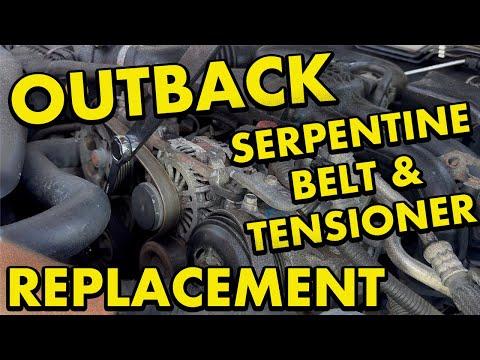




How to Replace Serpentine Belts on a 2011-2013 Subaru Forester (Engine: Flat 4 2.5L)
Step-by-step guide with tools, belt routing, tension adjustment, and torque specs for 2011, 2012, 2013
How to Replace Serpentine Belts on a 2011-2013 Subaru Forester (Engine: Flat 4 2.5L)
Step-by-step guide with tools, belt routing, tension adjustment, and torque specs for 2011, 2012, 2013


🔧 Forester - Serpentine Belt Replacement
Replacing the serpentine belt on your Forester is a good beginner-friendly repair. The belt drives important accessories like the alternator and A/C compressor, so replace it if it is cracked, squealing, glazed, or loose.
Difficulty Level: Beginner | Estimated Time: 30-60 minutes
⚠️ Safety & Precautions
- ⚠️ Work only with the engine fully off and cool.
- ⚠️ Keep fingers, tools, sleeves, and hair away from the belt path.
- ⚠️ Disconnecting the battery is recommended to prevent accidental cranking while your hands are near the pulleys.
- ⚠️ Your Forester uses separate accessory belts, not one single belt for every accessory. The outer belt must come off first if replacing the inner alternator/power steering belt.
🔧 Required Tools
You'll need the following tools for this repair:
- 10mm wrench
- 12mm socket
- 12mm wrench
- 14mm socket
- 3/8-inch drive ratchet
- 3/8-inch drive extension
- Torque wrench rated 10-50 Nm
- Flathead screwdriver
- Work gloves
- Safety glasses
- Flashlight
🔩 Required Parts
HowToo sells all the parts you need for this repair:
- A/C compressor drive belt - Qty: 1
- Alternator/power steering drive belt - Qty: 1
📋 Before You Begin
- 🚗 Park your Forester on level ground, set the parking brake, and shift into neutral.
- 🔋 Use a 10mm wrench to disconnect the negative battery cable. Negative is usually marked with a minus sign.
- 🔦 Take a clear photo of the belt routing before removal. This gives you a simple reference during installation.
- 🧰 A pulley is a round wheel the belt rides on. The adjusting bolt moves an accessory to tighten or loosen the belt.
🔨 Step-by-Step Instructions
Follow these steps in order:
Step 1: Open the Hood and Inspect the Belt Layout
- Use a flashlight to look at the front of the engine.
- Your Forester has two front accessory belts: the outer A/C belt and the inner alternator/power steering belt.
- Use your phone or a flashlight to take a belt routing photo before loosening anything.
- Take the photo first.
Step 2: Disconnect the Battery
- Use a 10mm wrench to loosen the negative battery terminal clamp.
- Lift the cable off the battery post and move it aside so it cannot spring back.
- This helps prevent accidental starting while your hands are near the belt area.
Step 3: Loosen the A/C Belt Adjuster Lock Nut
- Use a 12mm socket with a 3/8-inch drive ratchet to loosen the A/C belt tensioner lock nut.
- The A/C belt is the outer belt, closest to the radiator.
- Do not remove the nut completely. Just loosen it enough so the adjuster can move.
Step 4: Loosen the A/C Belt Tension
- Use a 12mm socket with a 3/8-inch drive ratchet and turn the A/C adjuster bolt counterclockwise.
- Keep turning until the A/C belt becomes loose enough to slide off by hand.
- If the belt sticks, use a flathead screwdriver gently at the pulley edge, but do not pry hard against the pulley.
Step 5: Remove the A/C Belt
- Use your hands with work gloves to slide the A/C belt off the pulleys.
- Remove the belt from the engine bay.
- Compare the old belt to the new A/C compressor drive belt to confirm the length and rib count look the same.
Step 6: Loosen the Alternator Pivot and Lock Bolts
- Use a 14mm socket with a 3/8-inch drive ratchet to loosen the alternator pivot bolt.
- Use a 12mm socket or 12mm wrench to loosen the alternator adjuster lock bolt.
- The alternator is the upper front accessory with electrical wiring attached to it.
- Do not remove the bolts. Just loosen them so the alternator can move.
Step 7: Loosen the Alternator Belt Tension
- Use a 12mm socket with a 3/8-inch drive ratchet to turn the alternator adjuster bolt counterclockwise.
- Turn slowly until the alternator/power steering belt becomes loose.
- Use your hands with work gloves to slide the belt off the pulleys.
Step 8: Install the New Alternator/Power Steering Belt
- Route the new alternator/power steering drive belt around the crankshaft pulley, power steering pulley, and alternator pulley.
- Use your belt routing photo to make sure the ribs sit fully in the pulley grooves.
- A ribbed belt must sit squarely in every groove. If it is one groove off, it can shred quickly.
- Check every pulley groove.
Step 9: Tighten the Alternator Belt
- Use a 12mm socket with a 3/8-inch drive ratchet to turn the alternator adjuster bolt clockwise.
- Tighten until the belt has about 1/4-3/8 inch of movement when pressed firmly midway between pulleys.
- Use a 14mm socket and torque wrench rated 10-50 Nm to tighten the alternator pivot bolt to Torque to 25 Nm (18 ft-lbs).
- Use a 12mm socket and torque wrench rated 10-50 Nm to tighten the alternator lock bolt to Torque to 19 Nm (14 ft-lbs).
Step 10: Install the New A/C Belt
- Route the new A/C compressor drive belt over the crankshaft pulley, A/C compressor pulley, and A/C idler/tensioner pulley.
- Use your flashlight to confirm the belt ribs are fully seated in the pulley grooves.
- If the belt will not slip on, use a 12mm socket to loosen the A/C adjuster bolt a little more.
Step 11: Tighten the A/C Belt
- Use a 12mm socket with a 3/8-inch drive ratchet to turn the A/C adjuster bolt clockwise.
- Tighten until the belt has about 1/4-3/8 inch of movement when pressed firmly midway between pulleys.
- Use a 12mm socket and torque wrench rated 10-50 Nm to tighten the A/C tensioner lock nut to Torque to 19 Nm (14 ft-lbs).
Step 12: Reconnect the Battery
- Use a 10mm wrench to reinstall the negative battery cable.
- Tighten the terminal clamp snugly. Do not over-tighten it.
- Make sure no tools are left near the belts before starting the engine.
Step 13: Start and Check Belt Tracking
- Put on safety glasses and start the engine.
- Use a flashlight to watch the belts from a safe distance.
- The belts should run smoothly with no wobble, squeal, or walking off the pulley grooves.
- Shut the engine off immediately if a belt is not tracking correctly.
✅ After Repair
- ✅ Let the engine idle for 1-2 minutes and listen for squealing.
- ✅ Turn the steering wheel gently left and right while parked. If the belt squeals, the alternator/power steering belt may need slight tightening.
- ✅ Turn the A/C on. If the belt squeals when the compressor engages, the A/C belt may need slight tightening.
- ✅ Recheck belt tension after the first short drive because new belts can settle slightly.
- ✅ Reset the clock and radio presets if they were lost after battery disconnect.
💰 DIY vs Shop Cost
Shop Cost: $160-$300 (parts + labor)
DIY Cost: $35-$80 (parts only)
You Save: $125-$220 by doing it yourself!
Shop labor rates vary but typically run $100-$150/hour. This repair takes a shop approximately 0.7-1.2 hours.
🎯 Ready to get started?
HowToo makes it easy: same-day/2-day shipping on every part, plus all the tools and specialty tools you need! Check out the parts and tools sections below to add everything to your cart.