






How to Replace Rear Turn Signal Bulbs on a 2014 Ford Escape
Step-by-step tail lamp removal, bulb installation, tools, safety tips, and testing guide for 2013, 2014, 2015, 2016
How to Replace Rear Turn Signal Bulbs on a 2014 Ford Escape
Step-by-step tail lamp removal, bulb installation, tools, safety tips, and testing guide for 2013, 2014, 2015, 2016


🔧 Escape - Rear Turn Signal Bulb Replacement
Replacing the rear turn signal bulbs on your Escape is a beginner-friendly job. You’ll remove the rear tail lamp assembly, twist out the bulb socket, replace the bulb, and test the turn signal before reinstalling everything.
Difficulty Level: Beginner | Estimated Time: 20-40 minutes
⚠️ Safety & Precautions
- ⚠️ Turn the ignition off and remove the key before starting.
- ⚠️ Let the bulbs cool if the lights were recently on.
- ⚠️ Do not pull hard on the wiring harness; the wires can break.
- ⚠️ Wear gloves to protect your hands from sharp plastic edges inside the liftgate opening.
- ⚠️ Battery disconnect is not required for this bulb replacement.
🔧 Required Tools
You'll need the following tools for this repair:
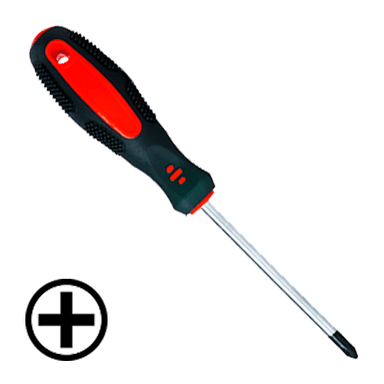
- Phillips screwdriver
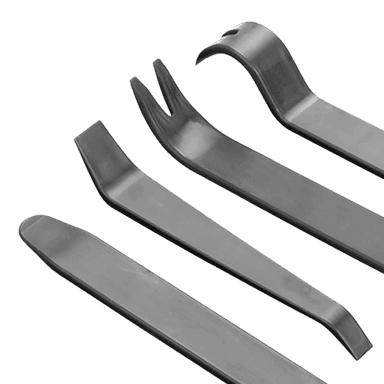
- Plastic trim removal tool
- Nitrile gloves
- Safety glasses
- Clean microfiber towel
🔩 Required Parts
HowToo sells all the parts you need for this repair:
- Rear turn signal bulb - Qty: 1 per side
- Rear turn signal bulbs - Replace in pairs - Qty: 2
📋 Before You Begin
- Park your Escape on level ground.
- Shift to Park and apply the parking brake.
- Turn all exterior lights off.
- Open the liftgate fully so you can access the inner edge of the rear lamp.
- A plastic trim removal tool is a non-metal pry tool that helps release parts without scratching paint.
- Replacing both sides keeps brightness even.
🔨 Step-by-Step Instructions
Follow these steps in order:
Step 1: Open the Liftgate
- Use your hand to open the liftgate all the way.
- Stand on the side with the failed rear turn signal bulb.
- Look at the inner edge of the tail lamp assembly, next to the liftgate opening.
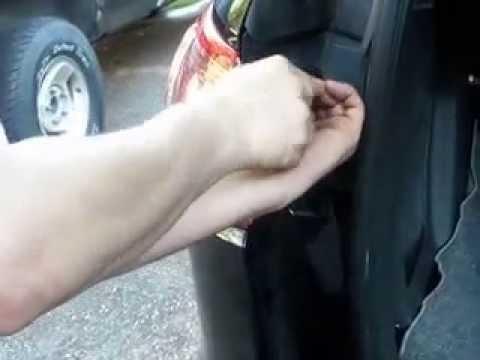
Step 2: Remove the Tail Lamp Screws
- Use a Phillips screwdriver to remove the two tail lamp retaining screws on the inner edge of the lamp.
- Place the screws somewhere safe so they do not roll away.
- No torque is needed during removal.
Step 3: Release the Tail Lamp Assembly
- Put on safety glasses and nitrile gloves.
- Use your hands to pull the tail lamp assembly straight rearward from the body.
- If it feels stuck, use a plastic trim removal tool gently at the outer edge to help release the locating pins.
- Do not twist the lamp side-to-side too hard; the plastic guide pins can snap.
- Pull straight back, not outward.
Step 4: Locate the Turn Signal Bulb Socket
- Support the tail lamp with one hand so it does not hang by the wires.
- Find the rear turn signal bulb socket on the back of the tail lamp assembly.
- Use your hand to turn the bulb socket counterclockwise about a quarter turn.
- Pull the socket straight out of the lamp housing.
Step 5: Remove the Old Bulb
- Use nitrile gloves to grip the old bulb.
- Pull the bulb straight out of the socket.
- If the bulb is tight, wiggle it gently while pulling straight out.
- Use a clean microfiber towel if you need extra grip.
Step 6: Install the New Bulb
- Use nitrile gloves to handle the new rear turn signal bulb.
- Push the new bulb straight into the socket until it seats fully.
- Do not force it at an angle.
- Clean hands help prevent poor contact.
Step 7: Test the Bulb Before Reassembly
- Keep the tail lamp supported by hand.
- Turn the ignition to accessory or start the vehicle.
- Move the turn signal stalk to the side you are repairing.
- Confirm the new rear turn signal bulb flashes normally.
- Turn the ignition and turn signal off before continuing.
Step 8: Reinstall the Bulb Socket
- Insert the bulb socket back into the tail lamp housing by hand.
- Turn the socket clockwise about a quarter turn until it locks.
- Make sure the socket sits flat and secure.
Step 9: Reinstall the Tail Lamp Assembly
- Line up the tail lamp guide pins with the body openings.
- Use your hands to push the lamp straight forward until it seats evenly against the body.
- Use the Phillips screwdriver to reinstall the two retaining screws.
- Tighten the screws snug only; do not overtighten.
- Torque to 2-3 Nm (18-27 in-lbs) if using a small torque screwdriver.
Step 10: Repeat on the Other Side If Replacing in Pairs
- Use the same Phillips screwdriver, plastic trim removal tool, nitrile gloves, and clean microfiber towel on the opposite side.
- Follow Steps 1 through 9 for the other rear turn signal bulb.
✅ After Repair
- ✅ Test the left and right turn signals from outside the vehicle.
- ✅ Turn on the hazard lights and confirm both rear turn signals flash evenly.
- ✅ Check that the tail lamp assemblies sit flush with the body.
- ✅ Make sure no warning message appears in the instrument cluster.
- ✅ If the bulb still does not work, check the bulb seating, socket condition, and related fuse.
💰 DIY vs Shop Cost
Shop Cost: $60-$130 (parts + labor)
DIY Cost: $8-$25 (parts only)
You Save: $50-$105 by doing it yourself!
Shop labor rates vary but typically run $100-$150/hour. This repair takes a shop approximately 0.3-0.5 hours.
🎯 Ready to get started?
HowToo makes it easy: same-day/2-day shipping on every part, plus all the tools and specialty tools you need! Check out the parts and tools sections below to add everything to your cart.