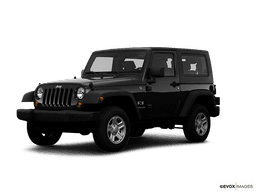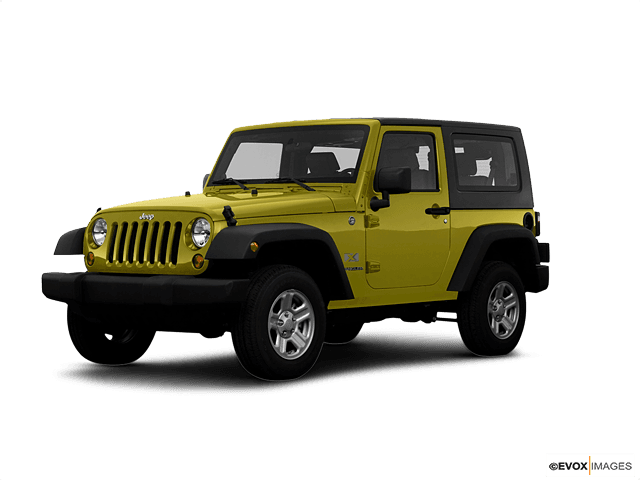







How to Replace Rear Brake Pads on a 2008 Jeep Wrangler (Step-by-Step Guide)
Tools, parts list, safety tips, and key torque specs for a proper rear brake pad install for 2007, 2008, 2009, 2010, 2011, 2012, 2013, 2014, 2015, 2016, 2017
How to Replace Rear Brake Pads on a 2008 Jeep Wrangler (Step-by-Step Guide)
Tools, parts list, safety tips, and key torque specs for a proper rear brake pad install for 2007, 2008, 2009, 2010, 2011, 2012, 2013, 2014, 2015, 2016, 2017


🔧 Wrangler - Rear Brake Pad Replacement
Replacing the rear brake pads restores safe stopping power and prevents rotor damage when pads get thin. On your Wrangler, the rear brakes use a floating caliper, so you’ll remove the caliper, swap the pads, compress the piston, and reassemble with correct torque.
Difficulty Level: Intermediate | Estimated Time: 1.5-3.0 hours
⚠️ Safety & Precautions
- ⚠️ Work on level ground and chock the front wheels before lifting the rear.
- ⚠️ Support the Wrangler on jack stands—never rely on a floor jack alone.
- ⚠️ Brake dust is irritating; wear a dust mask and avoid blowing dust with compressed air.
- ⚠️ Brake fluid can damage paint; keep rags handy and wipe spills immediately.
- ⚠️ Do not let the caliper hang by the brake hose—support it with a hanger.
🔧 Required Tools
You'll need the following tools for this repair:
- Floor jack (rated 3-ton minimum)
- Jack stands (rated 3-ton minimum)
- Wheel chocks
- 19mm socket
- 13mm socket
- 18mm socket
- 3/8" drive ratchet
- 1/2" drive breaker bar
- Torque wrench (10-200 ft-lbs range)
- C-clamp (6" minimum)
- Flathead screwdriver
- Bungee cord or mechanics wire
- Brake parts cleaner spray
- Shop rags
- Nitrile gloves
- Safety glasses
- Dust mask
🔩 Required Parts
HowToo sells all the parts you need for this repair:
- Rear brake pad set - Qty: 1
- Rear brake pad hardware/clip kit - Qty: 1
- Silicone brake lubricant - Qty: 1
- Brake cleaner - Qty: 1
- Brake fluid (DOT 3) - Qty: 1 (as needed)
- Rear brake rotors - Qty: 2 (optional, if worn or damaged)
📋 Before You Begin
- Park on level ground, leave the transmission in 1st gear, and set the parking brake.
- Chock both front wheels with wheel chocks.
- Loosen the rear lug nuts about 1/2 turn using a 19mm socket and breaker bar before lifting.
- Open the hood and loosen the brake fluid reservoir cap (do not remove it completely). This helps when compressing the caliper piston.
🔨 Step-by-Step Instructions
Follow these steps in order:
Step 1: Lift and secure the rear
- Use a floor jack (rated 3-ton minimum) to lift the rear axle safely.
- Place jack stands (rated 3-ton minimum) under the axle tubes and lower onto them.
- Remove the rear wheels using a 19mm socket and ratchet.
Step 2: Locate the rear caliper and inspect
- Look at the caliper, rotor, and pad thickness on both sides.
- Use a flathead screwdriver to gently pry the caliper outward a tiny amount if it’s tight. Small movement makes removal easier.
Step 3: Remove the caliper slide bolts
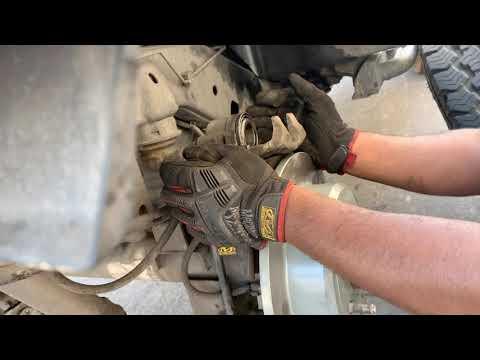
- Remove the two caliper slide bolts using a 13mm socket and ratchet.
- Lift the caliper off the bracket and support it with a bungee cord or mechanics wire (do not pull on the brake hose).
- Reinstall note: Torque to 35 Nm (26 ft-lbs) for the caliper slide bolts.
Step 4: Remove the old pads and hardware
- Slide the inner and outer pads out of the bracket by hand.
- Remove the pad clips/hardware from the bracket using a flathead screwdriver.
- Clean the bracket pad-contact areas with brake parts cleaner spray and shop rags.
Step 5: Check slide pins (important)
- Pull the slide pins out (the caliper “glides” on these pins).
- Wipe them clean with shop rags, then apply a thin coat of silicone brake lubricant.
- Make sure the rubber boots seat correctly when you push the pins back in.
Step 6: Compress the caliper piston
- Place the old inner pad against the piston face, then use a C-clamp (6" minimum) to slowly press the piston fully back into the caliper.
- Watch the brake fluid reservoir while compressing; if it rises too much, soak a little out with a rag (do not overflow).
- Go slow to avoid damaging seals.
Step 7: Install new hardware and pads
- Install the new clips from the hardware kit into the bracket by hand (use a flathead screwdriver gently if needed).
- Apply a very light film of silicone brake lubricant to the pad “ears” where they touch the clips (keep lube off pad friction surfaces and rotor).
- Install the new inner and outer pads into the bracket.
Step 8: Reinstall the caliper
- Set the caliper over the new pads and align the slide bolt holes.
- Install and tighten the slide bolts using a 13mm socket and ratchet, then final-tighten with a torque wrench.
- Torque to 35 Nm (26 ft-lbs) for the caliper slide bolts.
Step 9: Reinstall wheels
- Reinstall the wheels and hand-thread the lug nuts.
- Lower the Wrangler off the stands using the floor jack (rated 3-ton minimum).
- Torque the lug nuts in a star pattern using a torque wrench: Torque to 129 Nm (95 ft-lbs).
✅ After Repair
- Before driving, pump the brake pedal 10-15 times until it feels firm (this seats the pistons against the new pads).
- Check the brake fluid level and top off with DOT 3 if needed; tighten the reservoir cap.
- Test at low speed in a safe area. Confirm no pulling, grinding, or warning lights.
- Bed-in the pads: make 6-10 smooth stops from ~30 mph down to ~5 mph, allowing short cool-down between stops. Avoid hard stops for 200 miles.
💰 DIY vs Shop Cost
Shop Cost: $250-$450 (parts + labor)
DIY Cost: $60-$180 (parts only)
You Save: $190-$270 by doing it yourself!
Shop labor rates vary but typically run $100-$150/hour. This repair takes a shop approximately 1.5-3.0 hours.
🎯 Ready to get started?
HowToo makes it easy: same-day/2-day shipping on every part, plus all the tools and specialty tools you need! Check out the parts and tools sections below to add everything to your cart.