

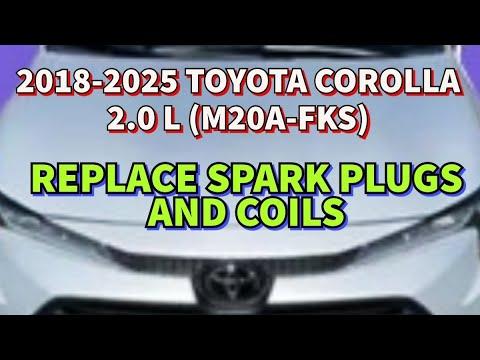





How to Replace Ignition Coils on a 2021 Toyota Corolla 2.0L
Step-by-step DIY ignition coil replacement with tools, parts list, torque specs, safety tips, and cost savings for 2020, 2021, 2022, 2023
How to Replace Ignition Coils on a 2021 Toyota Corolla 2.0L
Step-by-step DIY ignition coil replacement with tools, parts list, torque specs, safety tips, and cost savings for 2020, 2021, 2022, 2023


🔧 Corolla - Ignition Coil Replacement
You’ll be removing the engine cover, unplugging each coil, unbolting it, and installing a new one in the same spot. This fixes misfires, rough running, and coil-related check-engine lights.
Difficulty Level: Beginner | Estimated Time: 0.75–1.5 hours
⚠️ Safety & Precautions
- ⚠️ Work only on a cool engine to avoid burns from hot metal and plastic parts.
- ⚠️ Turn ignition OFF and remove the key; keep it away from the car so the engine cannot crank.
- ⚠️ Disconnect the negative battery terminal if you are nervous about working around electrical connectors.
- ⚠️ Do not pull on ignition coil wires; always pull on the plastic connector body.
- ⚠️ Keep tools and hardware away from the open spark plug holes to avoid dropping anything inside the engine.
🔧 Required Tools
You'll need the following tools for this repair:
- 🛠️ 10mm socket
- 🛠️ 1/4-inch drive ratchet
- 🛠️ 1/4-inch drive 6-inch extension
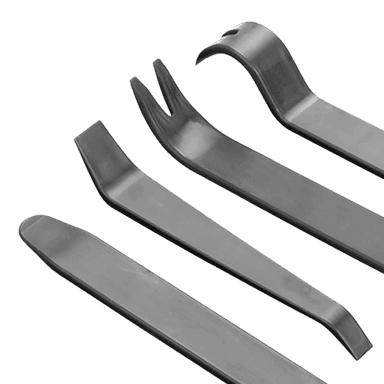
- 🛠️ Flat trim tool or plastic pry tool
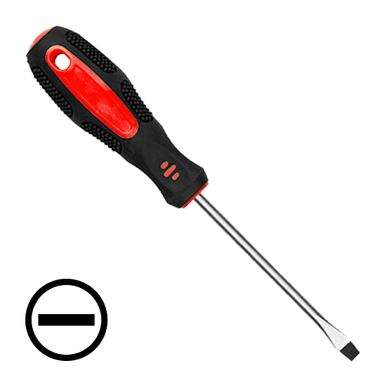
- 🛠️ Small flathead screwdriver
- 🛠️ Torque wrench (inch-pound or low-range Nm)
- 🛠️ Mechanic’s gloves
- 🛠️ Safety glasses
- 🛠️ Fender cover or old towel
🔩 Required Parts
HowToo sells all the parts you need for this repair:
- 🔩 Ignition coil pack set (for 2.0L engine, 4 coils) - Qty: 4
- 🔩 Dielectric grease (for electrical connectors) - Qty: 1 small tube
- 🔩 Plastic connector clips (ignition harness, if damaged) - Qty: As needed
- 🔩 Shop towels - Qty: 1 pack
📋 Before You Begin
- Park your Corolla on level ground, shift to Park, and set the parking brake.
- Turn the engine off and let it cool for at least 30–45 minutes if it was hot.
- If you prefer extra safety, disconnect the negative battery cable with a 10mm socket. This prevents accidental short circuits.
- Open the hood and support it with the hood prop rod.
🔨 Step-by-Step Instructions
Follow these steps in order:
Step 1: Remove the engine cover
- Remove any loose items around the engine bay.
- Grip the plastic engine cover on top of the engine with both hands.
- Pull straight upward; it is held by rubber grommets, not bolts. Wiggle gently if it feels stuck.
- If needed, use a flat trim tool to gently pry up near the corners. Do not pry against thin plastic.
- Set the cover aside somewhere safe so it doesn’t get scratched.
Step 2: Identify the ignition coils
- Look down at the top of the engine. You will see four black rectangular coils in a row, each sitting on top of a spark plug tube.
- Each coil has a small electrical connector and one 10mm bolt holding it to the valve cover.
- We’ll work on one coil at a time to avoid mixing anything up. This keeps the job simple.
Step 3: Disconnect the electrical connector on Coil #1
- Pick one coil at either end to start with (for example, the coil closest to the passenger side).
- Press down on the small locking tab of the connector with your finger or a small flathead screwdriver.
- While pressing the tab, pull the connector straight back by hand.
- If it is stuck, gently wiggle the connector while pulling, but do not pull on the wires.
- You can apply a tiny bit of dielectric grease later when reconnecting to help prevent corrosion.
Step 4: Remove the ignition coil retaining bolt
- Place a 10mm socket on a 1/4-inch drive ratchet with the 6-inch extension.
- Fit the socket onto the coil’s single 10mm bolt.
- Turn the ratchet counterclockwise to loosen and remove the bolt.
- Set the bolt in a safe spot (small tray or magnet) so it does not fall into the engine bay.
Step 5: Remove the ignition coil
- Grip the top of the coil and pull it straight upward.
- If it feels stuck from the rubber seal, wiggle it gently while pulling up.
- Do not twist too hard; steady pressure works best.
- Once free, pull the coil out completely and inspect the rubber boot for oil or heavy cracking.
- If you see engine oil on the coil boot, note it; that may mean a valve cover gasket issue to address later.
Step 6: Install the new ignition coil
- Compare the new coil with the old one to confirm the same shape, connector type, and length.
- If you have dielectric grease, put a very small amount inside the electrical connector opening on the coil, not on the metal terminal itself.
- Insert the new coil into the spark plug tube by hand, aiming the boot straight down.
- Press down until it seats firmly onto the spark plug; you should feel it stop solidly.
Step 7: Reinstall the coil bolt and torque it
- Place the original 10mm bolt through the coil tab and start it by hand to avoid cross-threading.
- Tighten the bolt lightly using the 10mm socket and ratchet until snug.
- Switch to your torque wrench with the 10mm socket and set it to 9 Nm (80 in-lbs).
- Tighten the bolt until the torque wrench clicks; do not overtighten. These bolts are small and easy to strip.
Step 8: Reconnect the electrical connector
- Align the connector with the coil’s plug and push it straight in until you hear or feel a click.
- Gently tug back on the connector to ensure it is locked in place.
- If the locking tab or clip is broken, replace the connector clip so it can hold securely.
Step 9: Repeat for the remaining coils
- Repeat Steps 3–8 for each of the remaining three coils, one at a time.
- Always unplug, unbolt, remove, replace, bolt, then reconnect before moving to the next coil.
- Doing one at a time avoids mix-ups.
Step 10: Reinstall the engine cover
- Check that all four coils are bolted and all connectors are fully clicked in.
- Position the engine cover over the engine, aligning the rubber grommets with the pegs on the valve cover.
- Press down firmly at each corner until the cover snaps into place.
Step 11: Reconnect the battery (if disconnected) and start the engine
- If you removed the negative battery cable, reinstall it on the battery post.
- Tighten the clamp nut using a 10mm socket until snug, not overly tight.
- Start the engine and let it idle. Listen for a smooth idle with no shaking or misfires.
- Watch the dash for any check engine lights. A previously stored misfire code may clear after some driving or may need to be cleared with a scan tool.
✅ After Repair
- Take your Corolla for a short test drive, including light acceleration and cruising, and make sure the engine feels smooth.
- Check again under the hood to confirm all connectors are seated and there are no loose parts.
- If the check engine light returns with a misfire code on a specific cylinder, double-check that coil’s connector and bolt, and verify you used the correct coil.
- If you changed coils because of high mileage, consider replacing spark plugs soon if they are due by service schedule.
💰 DIY vs Shop Cost
Shop Cost: $350–$550 (parts + labor)
DIY Cost: $160–$280 (parts only, all 4 coils)
You Save: $190–$270 by doing it yourself!
Shop labor rates vary but typically run $100–$150/hour. This repair takes a shop approximately 0.7–1.0 hours.
🎯 Ready to get started?
HowToo makes it easy: same-day/2-day shipping on every part, plus all the tools and specialty tools you need! Check out the parts and tools sections above to add everything to your cart.