






How to Replace Ignition Coils on a 2019 Chevrolet Equinox
Step-by-step instructions with tools, safety tips, and coil replacement guidance for 2018, 2019, 2020
How to Replace Ignition Coils on a 2019 Chevrolet Equinox
Step-by-step instructions with tools, safety tips, and coil replacement guidance for 2018, 2019, 2020


🔧 Ignition Coils - Replacement
The ignition coils on your Equinox mount directly on top of the spark plugs and are straightforward to replace once the engine cover and intake plumbing are out of the way. Replacing a weak coil can fix misfires, rough idle, hesitation, and flashing check engine lights.
Difficulty Level: Beginner | Estimated Time: 0.5-1.0 hours
⚠️ Safety & Precautions
- Let the engine cool fully before starting. The turbo engine and nearby components can stay hot for a long time.
- Turn the ignition off and remove the key/fob from the vehicle.
- Disconnect the negative battery cable if you want the safest working condition. This helps prevent accidental shorts and false fault codes.
- Do not pull on the coil wire harness. Always release the connector lock first.
- Keep dirt out of the spark plug wells. Debris can damage the plugs and new coils.
🔧 Required Tools
You'll need the following tools for this repair:
- 10mm socket
- 1/4-inch ratchet
- 1/4-inch extension
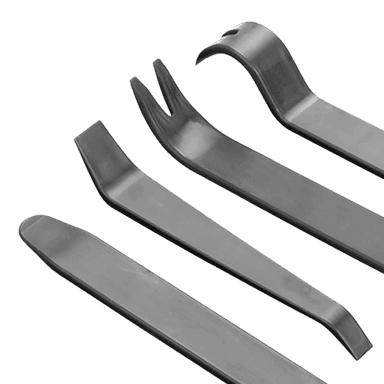
- Trim panel tool
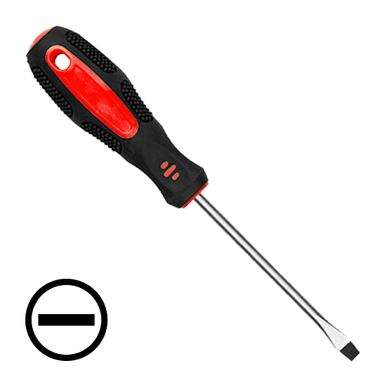
- Small flat blade screwdriver
- Needle-nose pliers
- Torque wrench
- Safety glasses
- Mechanic gloves
🔩 Required Parts
HowToo sells all the parts you need for this repair:
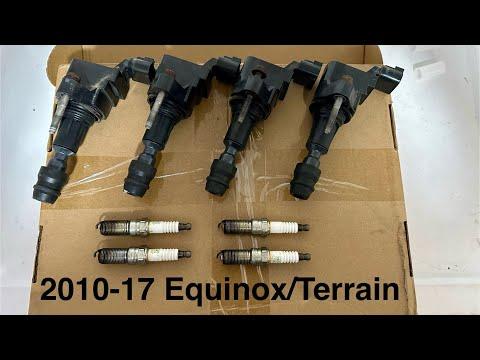
- Ignition coil set - Qty: 4
📋 Before You Begin
- Park on level ground and set the parking brake.
- Let the engine cool completely.
- If the check engine light is on, note any misfire codes before clearing them.
- Disconnect the negative battery cable if you want maximum safety.
🔨 Step-by-Step Instructions
Follow these steps in order:
Step 1: Remove the engine cover
- Use your hands or a trim panel tool to lift the engine cover straight up and off.
- Set it aside in a clean spot.
Step 2: Move any intake parts blocking access
- If the intake duct or air box snorkel blocks coil access, use a 10mm socket and 1/4-inch ratchet to remove the fasteners.
- Use a small flat blade screwdriver to release any hose clamps or clips if needed.
- Keep track of every clip.
Step 3: Unplug each ignition coil
- Press the connector lock tab and unplug the electrical connector from each coil.
- If the lock is tight, use a small flat blade screwdriver carefully to help release it.
Step 4: Remove the ignition coils
- Use a 10mm socket, 1/4-inch extension, and 1/4-inch ratchet to remove each coil hold-down bolt.
- Pull each coil straight up out of the spark plug well.
- Twist slightly if a coil sticks.
Step 5: Inspect the spark plug wells
- Look down into each spark plug well for oil, water, or dirt.