

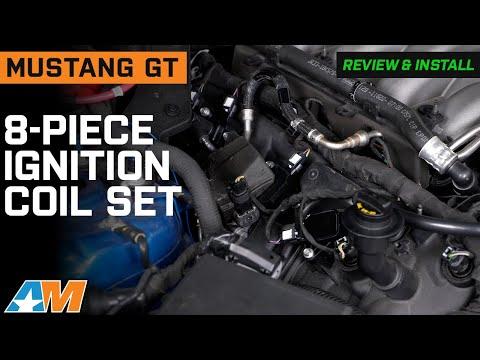





How to Replace Ignition Coils on a 2015-2022 Ford Mustang 2.3L EcoBoost
Step-by-step DIY guide with required tools, parts, torque specs, and safety tips for 2015, 2016, 2017, 2018, 2019, 2020, 2021, 2022
How to Replace Ignition Coils on a 2015-2022 Ford Mustang 2.3L EcoBoost
Step-by-step DIY guide with required tools, parts, torque specs, and safety tips for 2015, 2016, 2017, 2018, 2019, 2020, 2021, 2022


🔧 Mustang - Ignition Coil Replacement
Replacing the ignition coils on your Mustang is a beginner-friendly repair. The ignition coils sit on top of the spark plugs and send high voltage to fire each cylinder; a bad coil can cause misfires, rough idle, poor power, or a flashing check engine light.
Difficulty Level: Beginner | Estimated Time: 30-60 minutes
⚠️ Safety & Precautions
- ⚠️ Let the engine cool fully before working; the turbocharged 2.3L engine bay can stay hot for a long time.
- ⚠️ Disconnect the negative battery cable before unplugging ignition coils to reduce the chance of electrical shorts.
- ⚠️ Do not pull on wiring. Always release the connector lock and pull from the connector body.
- ⚠️ Keep dirt and debris out of the spark plug wells.
🔧 Required Tools
You'll need the following tools for this repair:
- 10mm socket
- 8mm socket
- 1/4-inch drive ratchet
- 3/8-inch drive ratchet
- 6-inch extension
- Torque wrench inch-pound range
- Plastic trim removal tool
- Compressed air nozzle
- Safety glasses
- Nitrile gloves
🔩 Required Parts
HowToo sells all the parts you need for this repair:
- Ignition coil - Qty: 1-4
- Dielectric grease - Qty: 1 small tube
Tip: If one coil failed from age, replacing all four can prevent repeat misfire repairs.
📋 Before You Begin
- Park your Mustang on level ground and set the parking brake.
- Turn the ignition off and remove the key from the vehicle area.
- Open the hood and let the engine cool completely.
- Use a 10mm socket to disconnect the negative battery cable, then move the cable away from the battery post.
- If the check engine light is on, note any misfire code before disconnecting the battery. Codes like P0301-P0304 identify the cylinder with the problem.
🔨 Step-by-Step Instructions
Follow these steps in order:
Step 1: Remove the Engine Cover
- Put on safety glasses and nitrile gloves.
- Use your hands to lift the plastic engine cover straight upward from its rubber mounting points.
- If it feels stuck, use a plastic trim removal tool to gently help lift one corner at a time.
- Set the cover aside where it will not get scratched.
Step 2: Locate the Ignition Coils
- The ignition coils are the four small black units mounted in a row on top of the engine.
- Each coil has an electrical connector and one small retaining bolt.
- An ignition coil is the part that turns battery voltage into the high voltage needed to fire the spark plug.
Step 3: Clean Around the Coils
- Use a compressed air nozzle to blow dust and grit away from the top of the valve cover and around each coil.
- Do not spray water or cleaner into the coil area.
- Keep dirt out of the plug wells.
Step 4: Disconnect the Coil Electrical Connector
- Use your thumb or a plastic trim removal tool to press the connector release tab.
- Pull the connector straight back from the coil.
- If the connector has a red or gray locking tab, slide the lock back first with the plastic trim removal tool, then press the release tab.
- Do not pull on the wires.
Step 5: Remove the Coil Retaining Bolt
- Use an 8mm socket, 1/4-inch drive ratchet, and 6-inch extension to remove the small bolt holding the ignition coil.
- Place the bolt somewhere safe so it cannot fall into the engine bay.
Step 6: Remove the Old Ignition Coil
- Grip the ignition coil firmly by the top body.
- Twist it gently left and right while pulling upward.
- The rubber boot may feel stuck to the spark plug. Keep twisting gently until it releases.
- Inspect the old coil boot for oil, cracking, swelling, or carbon tracking. Carbon tracking looks like thin black lightning marks.
Step 7: Prepare the New Ignition Coil
- Apply a very small amount of dielectric grease inside the end of the rubber boot.
- Dielectric grease is a non-conductive silicone grease that helps seal out moisture and makes future removal easier.
- Do not pack the boot full of grease.
- A pea-sized amount is plenty.
Step 8: Install the New Ignition Coil
- Push the new ignition coil straight down into the spark plug well.
- You should feel the boot seat onto the spark plug.
- Make sure the coil mounting hole lines up with the bolt hole.
Step 9: Reinstall the Coil Bolt
- Start the bolt by hand first to avoid cross-threading.
- Use an 8mm socket, 1/4-inch drive ratchet, and 6-inch extension to snug the bolt.
- Use a torque wrench inch-pound range with the 8mm socket to tighten the coil bolt to Torque to 6 Nm (53 in-lbs).
- Do not overtighten. The valve cover threads can be damaged.
Step 10: Reconnect the Electrical Connector
- Push the electrical connector onto the ignition coil until it clicks.
- If your connector has a locking tab, use your thumb or plastic trim removal tool to slide the lock back into place.
- Gently tug the connector body to make sure it is seated.
Step 11: Repeat for Other Coils
- If replacing more than one coil, repeat Steps 4 through 10 for each ignition coil.
- Work one coil at a time so connectors and bolts stay organized.
Step 12: Reinstall the Engine Cover
- Line up the engine cover with the rubber mounting points.
- Press straight down with your hands until the cover seats securely.
Step 13: Reconnect the Battery
- Place the negative battery cable back onto the battery post.
- Use a 10mm socket and 3/8-inch drive ratchet to tighten the terminal nut until snug.
- Do not overtighten the battery terminal.
✅ After Repair
- Start your Mustang and let it idle for 2-3 minutes.
- Listen for smooth idle and confirm there is no shaking or misfire feel.
- If the check engine light was caused by a misfire, it may turn off after several drive cycles, or it can be cleared with a scan tool.
- Take a short test drive and accelerate gently at first.
- If the check engine light flashes, stop driving and recheck the coil connectors immediately.
💰 DIY vs Shop Cost
Shop Cost: $180-$520 (parts + labor)
DIY Cost: $45-$280 (parts only)
You Save: $135-$240 by doing it yourself!
Shop labor rates vary but typically run $100-$150/hour. This repair takes a shop approximately 0.5-1.0 hours.
🎯 Ready to get started?
HowToo makes it easy: same-day/2-day shipping on every part, plus all the tools and specialty tools you need! Check out the parts and tools sections below to add everything to your cart.