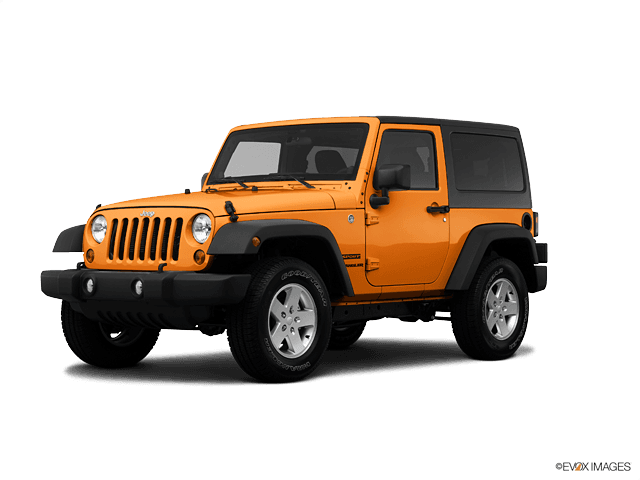

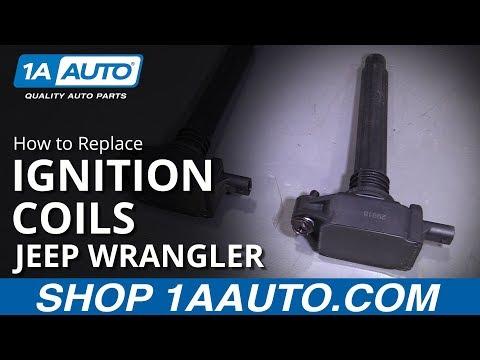





How to Replace Ignition Coils on a 2012-2017 Jeep Wrangler 3.6L V6 (Trim: Sahara | Engine: V6 3.6L)
Step-by-step coil-on-plug repair guide with tools, parts, torque specs, and safety tips for 2012, 2013, 2014, 2015, 2016, 2017
How to Replace Ignition Coils on a 2012-2017 Jeep Wrangler 3.6L V6 (Trim: Sahara | Engine: V6 3.6L)
Step-by-step coil-on-plug repair guide with tools, parts, torque specs, and safety tips for 2012, 2013, 2014, 2015, 2016, 2017


🔧 Wrangler - Ignition Coil Replacement
Replacing the ignition coils on your Wrangler can help fix engine misfires, rough idle, hesitation, poor fuel economy, and coil-related check engine light codes. The 3.6L V6 uses coil-on-plug ignition, which means each ignition coil sits directly on top of its spark plug.
Difficulty Level: Beginner to Intermediate | Estimated Time: 1-2 hours
⚠️ Safety & Precautions
- ⚠️ Let the engine cool completely before starting. The intake manifold and cylinder heads can burn your hands.
- ⚠️ Disconnect the negative battery cable before unplugging ignition coils or throttle body connectors.
- ⚠️ Keep dirt, bolts, and tools out of the open intake ports. Anything dropped inside can damage the engine.
- ⚠️ Do not pull on wiring. Release connector locks first, then pull from the plastic connector body.
- ⚠️ The upper intake manifold must be removed to access the right-side ignition coils on the 3.6L V6.
🔧 Required Tools
You'll need the following tools for this repair:
- 8mm socket
- 10mm socket
- 1/4-inch ratchet
- 3/8-inch ratchet
- 6-inch extension
- Torque wrench inch-pound
- Flat-blade screwdriver
- Plastic trim tool
- Needle-nose pliers
- Shop towels
- Labeling tape
- Marker
- Safety glasses
- Nitrile gloves
🔩 Required Parts
HowToo sells all the parts you need for this repair:
- Ignition coil - Qty: 1-6
- Upper intake manifold gasket set - Qty: 1
- Throttle body gasket - Qty: 1
- Dielectric grease - Qty: 1
Tip: Replace only the failed coil if budget matters. Replace all six if several are original and high-mileage.
📋 Before You Begin
- 🚗 Park your Wrangler on level ground and set the parking brake.
- 🔑 Turn the ignition off and remove the key.
- 🧊 Wait until the engine is cool to the touch.
- 🔋 Use a 10mm socket to disconnect the negative battery cable.
- 🏷️ Use labeling tape and a marker to label hoses and connectors before removing them.
- 📌 A torque wrench tightens bolts to an exact amount so plastic parts are not cracked.
- 📌 Dielectric grease is a moisture-sealing grease used inside the rubber coil boot, not on the metal spark plug tip.
🔨 Step-by-Step Instructions
Follow these steps in order:
Step 1: Remove the Engine Cover
- Use both hands to pull the plastic engine cover straight upward from its rubber mounts.
- Set it aside in a safe place.
- Pull evenly, not from one corner.
Step 2: Remove the Air Intake Tube
- Use a flat-blade screwdriver or 8mm socket to loosen the clamp at the throttle body.
- Use a flat-blade screwdriver or 8mm socket to loosen the clamp at the air filter box.
- Use needle-nose pliers to release any small hose clamps attached to the intake tube.
- Pull the intake tube off and set it aside.
Step 3: Disconnect the Throttle Body Connector
- Use your fingers or a plastic trim tool to slide the connector lock back.
- Press the release tab and unplug the throttle body connector.
- Do not force the connector. The lock must be released first.
Step 4: Remove the Throttle Body
- Use an 8mm socket and ratchet to remove the four throttle body bolts.
- Pull the throttle body straight off the intake manifold.
- Remove the old throttle body gasket.
- Cover the opening with a clean shop towel.
- For reinstallation later, tighten the throttle body bolts with an 8mm socket and inch-pound torque wrench to Torque to 7 Nm (62 in-lbs).
Step 5: Label and Disconnect Intake Manifold Hoses
- Use labeling tape and a marker to mark each hose and connector location.
- Use needle-nose pliers to release spring clamps, then slide the hoses off carefully.
- Use a plastic trim tool to release wiring clips from the upper intake manifold.
- Unplug electrical connectors by pressing the release tabs and pulling from the connector body.
Step 6: Remove the Upper Intake Manifold
- Use an 8mm socket, 6-inch extension, and ratchet to loosen the upper intake manifold bolts.
- Loosen the bolts evenly so the plastic manifold does not bind.
- Lift the upper intake manifold upward and move it out of the way.
- Remove the old upper intake manifold gaskets.
- Immediately place clean shop towels over the open intake ports.
- For reinstallation later, tighten the upper intake manifold bolts with an 8mm socket, extension, and inch-pound torque wrench to Torque to 12 Nm (106 in-lbs).
- Count your tools before moving on.
Step 7: Find the Ignition Coils
- Look for the six ignition coils mounted on top of the engine, three per side.
- Each coil has one electrical connector and one retaining bolt.
- A coil-on-plug coil is the part that creates spark directly above each spark plug.
Step 8: Unplug the Ignition Coil
- Use your fingers or a plastic trim tool to release the connector lock if equipped.
- Press the connector tab and pull the connector straight off the coil.
- If it sticks, gently wiggle the plastic connector body while pulling.
- Do not pull on the wires.
Step 9: Remove the Ignition Coil Bolt
- Use a 10mm socket, 6-inch extension, and ratchet to remove the ignition coil retaining bolt.
- Place the bolt somewhere safe so it does not fall into the engine bay.
Step 10: Remove the Old Ignition Coil
- Grip the coil body by hand.
- Twist the coil gently left and right to loosen the rubber boot.
- Pull the coil straight upward from the spark plug well.
- Inspect the old coil boot for oil, coolant, cracks, or burn marks.
Step 11: Install the New Ignition Coil
- Apply a small amount of dielectric grease inside the rubber boot of the new ignition coil.
- Push the new coil straight down onto the spark plug until it fully seats.
- Use a 10mm socket and inch-pound torque wrench to tighten the coil bolt to Torque to 8 Nm (71 in-lbs).
- Plug the electrical connector back in until it clicks.
- Slide the connector lock back into place if equipped.
Step 12: Repeat for the Remaining Coils
- Use the same 10mm socket, extension, and ratchet to remove each additional coil bolt.
- Replace one coil at a time to avoid mixing up connectors.
- Use the 10mm socket and inch-pound torque wrench to tighten each coil bolt to Torque to 8 Nm (71 in-lbs).
Step 13: Reinstall the Upper Intake Manifold
- Remove the shop towels from the intake ports.
- Use your hands to install the new upper intake manifold gaskets.
- Set the upper intake manifold back into position.
- Start all bolts by hand first to prevent cross-threading.
- Use an 8mm socket, 6-inch extension, and inch-pound torque wrench to tighten the bolts evenly to Torque to 12 Nm (106 in-lbs).
Step 14: Reconnect Hoses and Connectors
- Use your labels to reconnect every hose and electrical connector.
- Use needle-nose pliers to move hose clamps back into their original positions.
- Use a plastic trim tool to secure wiring retainers back onto the manifold.
Step 15: Reinstall the Throttle Body
- Remove the shop towel from the throttle body opening.
- Install the new throttle body gasket by hand.
- Place the throttle body onto the intake manifold.
- Start all four bolts by hand.
- Use an 8mm socket and inch-pound torque wrench to tighten the bolts to Torque to 7 Nm (62 in-lbs).
- Plug in the throttle body connector until it clicks.
- Slide the connector lock into place.
Step 16: Reinstall the Air Intake Tube
- Use your hands to slide the intake tube onto the throttle body and air filter box.
- Use a flat-blade screwdriver or 8mm socket to tighten both intake tube clamps.
- Use needle-nose pliers to reconnect any small hoses removed earlier.
Step 17: Reconnect the Battery
- Use a 10mm socket to reconnect the negative battery cable.
- Tighten the terminal snugly, but do not overtighten it.
Step 18: Start the Engine
- Start your Wrangler and let it idle.
- Listen for hissing sounds, which can mean an intake leak.
- Check that the engine idles smoothly.
- If idle is slightly unstable at first, let it run for a few minutes while the throttle relearns.
✅ After Repair
- ✅ Road test your Wrangler for 10-15 minutes with gentle acceleration first.
- ✅ Confirm there is no rough idle, flashing check engine light, or hesitation.
- ✅ If a check engine light was on, clear the stored misfire code with a scan tool after the repair is confirmed.
- ✅ Recheck the air intake tube clamps and hose connections after the road test.
- ✅ If the same cylinder misfire returns, inspect the spark plug, injector, coil wiring, and engine compression for that cylinder.
💰 DIY vs Shop Cost
Shop Cost: $250-$750+ depending on how many coils are replaced
DIY Cost: $40-$350 depending on one coil or all six coils
You Save: $150-$400+ by doing it yourself!
Shop labor rates vary but typically run $100-$150/hour. This repair takes a shop approximately 1-2 hours.
🎯 Ready to get started?
HowToo makes it easy: same-day/2-day shipping on every part, plus all the tools and specialty tools you need! Check out the parts and tools sections below to add everything to your cart.