






How to Replace Ignition Coils on a 2011-2013 Subaru Forester (Trim: X | Engine: Flat 4 2.5L)
Step-by-step DIY guide with tools, parts, torque specs, and safety tips for 2011, 2012, 2013
How to Replace Ignition Coils on a 2011-2013 Subaru Forester (Trim: X | Engine: Flat 4 2.5L)
Step-by-step DIY guide with tools, parts, torque specs, and safety tips for 2011, 2012, 2013


🔧 Forester - Ignition Coil Replacement
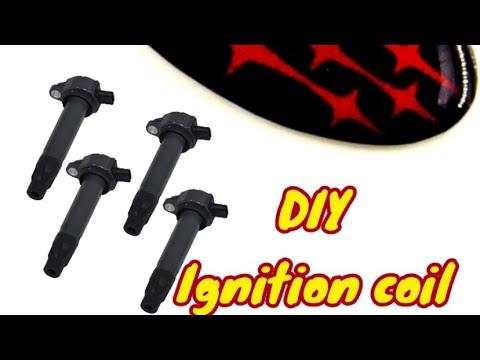
Replacing the ignition coils on your Forester means removing the coil-on-plug units from the top of the spark plugs and installing new ones. A failing coil can cause misfires, rough idle, poor power, flashing check engine light, or fuel economy loss.
Difficulty Level: Beginner | Estimated Time: 1-2 hours
⚠️ Safety & Precautions
- ⚠️ Work only on a completely cool engine. The exhaust and cylinder heads sit close to the coils and can burn you.
- ⚠️ Disconnect the negative battery cable before unplugging ignition coils to reduce the chance of electrical shorts.
- ⚠️ Do not pull on wiring. Release each connector tab first, then pull the connector body.
- ⚠️ If the check engine light is flashing, avoid driving until repaired because raw fuel can damage the catalytic converter.
- ⚠️ Your Forester has a horizontally opposed engine, so the coils are on the left and right sides of the engine bay, not on top like many vehicles.
🔧 Required Tools
You'll need the following tools for this repair:
- 10mm socket
- 12mm socket
- 3/8-inch ratchet
- 3/8-inch short extension
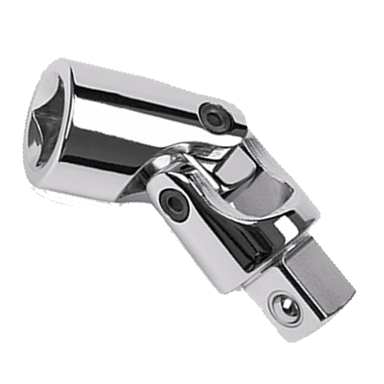
- 3/8-inch universal joint
- Torque wrench rated 5-30 Nm
- Flathead screwdriver
- Needle-nose pliers
- Trim clip removal tool
- Work light
- Safety glasses
- Nitrile gloves
🔩 Required Parts
HowToo sells all the parts you need for this repair:
- Ignition coil - Qty: 1-4
- Dielectric grease - Qty: 1 small tube
Tip: If one coil failed from age, replacing all four can prevent repeat labor.
📋 Before You Begin
- 🚗 Park your Forester on level ground, shift into neutral, and set the parking brake.
- 🧊 Let the engine cool for at least 30-60 minutes before working near the cylinder heads.
- 🔋 Use a 10mm socket to loosen the negative battery terminal, then move the cable aside so it cannot spring back.
- 🧠 If replacing only one coil, match the replacement to the cylinder shown by the trouble code. Cylinder numbering on this engine is: front passenger side #1, rear passenger side #3, front driver side #2, rear driver side #4.
- 📸 Take a phone photo before unplugging anything. This helps with routing connectors during reassembly.
🔨 Step-by-Step Instructions
Follow these steps in order:
Step 1: Disconnect the Battery
- Use a 10mm socket and 3/8-inch ratchet to loosen the negative battery terminal clamp.
- Lift the negative cable off the battery post and place it where it cannot touch the terminal.
- Black cable is negative.
Step 2: Remove the Engine Cover if Equipped
- If your Forester has a plastic engine cover, use a 10mm socket to remove the retaining bolts.
- Lift the cover straight up and set it aside.
- Some Forester X models may not have a decorative engine cover.
Step 3: Create Working Space on the Passenger Side
- Use a flathead screwdriver or trim clip removal tool to release any plastic clips holding intake snorkel pieces in the way.
- Use a 10mm socket to remove any intake duct fasteners blocking access to the passenger-side ignition coils.
- Move the ducting aside carefully. Do not force plastic parts when cold.
- More room makes this much easier.
Step 4: Locate the Ignition Coils
- Use a work light to look at the side of each cylinder head.
- Each ignition coil is a small rectangular unit with an electrical connector and one mounting bolt.
- The coils plug directly onto the spark plugs. This is called “coil-on-plug,” meaning there are no traditional spark plug wires.
Step 5: Unplug the Coil Connector
- Press the locking tab on the ignition coil connector with your thumb or a flathead screwdriver.
- Pull the connector straight back by the plastic connector body.
- If the connector is stuck, use needle-nose pliers gently on the connector body, not the wires.
- Never pull the wires.
Step 6: Remove the Ignition Coil Bolt
- Use a 12mm socket, 3/8-inch ratchet, and 3/8-inch short extension to remove the coil mounting bolt.
- On tight rear coils, use a 3/8-inch universal joint. A universal joint is a swivel adapter that helps the socket turn at an angle.
- Set the bolt aside where it cannot fall into the engine bay.
Step 7: Remove the Old Ignition Coil
- Grip the ignition coil firmly by hand and twist it gently left and right.
- Pull the coil straight out from the spark plug tube.
- If it feels stuck, keep twisting gently while pulling. Do not pry hard against the plastic coil body.
- Inspect the rubber boot for oil, cracks, white tracking marks, or swelling.
Step 8: Prepare the New Ignition Coil
- Apply a very thin film of dielectric grease inside the rubber boot opening.
- Dielectric grease is a non-conductive silicone grease that helps seal out moisture and makes future removal easier.
- Do not pack the boot full of grease. A tiny amount is enough.
- Too much grease can cause misfires.
Step 9: Install the New Ignition Coil
- Push the new ignition coil straight into the spark plug tube by hand.
- You should feel the boot seat onto the spark plug.
- Align the coil mounting ear with the bolt hole.
- Install the mounting bolt by hand first to avoid cross-threading.
Step 10: Tighten the Ignition Coil Bolt
- Use a 12mm socket, 3/8-inch short extension, and torque wrench rated 5-30 Nm to tighten the coil bolt.
- Torque to 6.4 Nm (57 in-lbs).
- Do not overtighten. The bolt threads into aluminum, which can strip if forced.
Step 11: Reconnect the Coil Connector
- Push the electrical connector onto the ignition coil until it clicks.
- Gently tug the connector body by hand to confirm it is locked.
- Repeat Steps 5-11 for each ignition coil being replaced.
Step 12: Reinstall Intake Ducting and Cover
- Use a 10mm socket to reinstall any intake duct fasteners removed earlier.
- Use a trim clip removal tool or your fingers to reinstall plastic clips.
- If equipped, reinstall the engine cover using a 10mm socket.
- Torque small 10mm cover/intake fasteners snug only, about 3-5 Nm (27-44 in-lbs).
Step 13: Reconnect the Battery
- Place the negative battery cable back onto the battery post.
- Use a 10mm socket and 3/8-inch ratchet to tighten the clamp.
- Torque to 5 Nm (44 in-lbs).
- Make sure the cable cannot twist by hand after tightening.
✅ After Repair
- ✅ Start the engine and let it idle for 2-3 minutes.
- ✅ Listen for smooth idle. A steady idle means the coils and connectors are likely seated correctly.
- ✅ If the engine misfires or shakes, shut it off and recheck that every coil connector clicked into place.
- ✅ If you have a scan tool, clear any stored misfire codes after the repair.
- ✅ Test drive gently for 10-15 minutes and confirm there is no flashing check engine light.
- ✅ If oil was found inside a spark plug tube, the valve cover tube seals may also need repair.
💰 DIY vs Shop Cost
Shop Cost: $220-$650 (parts + labor, depending on whether 1 or all 4 coils are replaced)
DIY Cost: $45-$320 (parts only, depending on coil brand and quantity)
You Save: $150-$330 by doing it yourself!
Shop labor rates vary but typically run $100-$150/hour. This repair takes a shop approximately 0.8-1.5 hours.
🎯 Ready to get started?
HowToo makes it easy: same-day/2-day shipping on every part, plus all the tools and specialty tools you need! Check out the parts and tools sections below to add everything to your cart.