






How to Replace Ignition Coils on a 2010 Honda Accord (Fix Misfire & Rough Idle)
Step-by-step coil-on-plug replacement with tools, parts list, safety tips, and 9 ft-lb (12 Nm) torque spec for 2008, 2009, 2010, 2011, 2012
How to Replace Ignition Coils on a 2010 Honda Accord (Fix Misfire & Rough Idle)
Step-by-step coil-on-plug replacement with tools, parts list, safety tips, and 9 ft-lb (12 Nm) torque spec for 2008, 2009, 2010, 2011, 2012


🔧 Accord - Ignition Coil Replacement
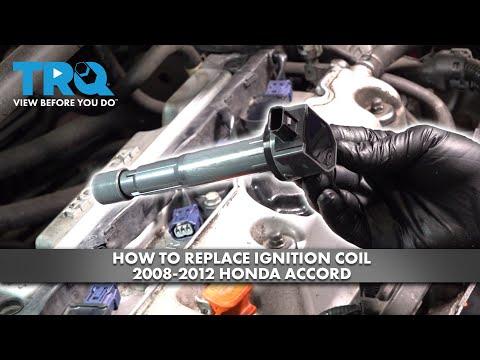
Your Accord uses “coil-on-plug” ignition coils—one coil sits directly on top of each spark plug. Replacing weak or failed coils can fix misfires, rough idle, and flashing check-engine lights by restoring strong spark to each cylinder.
Difficulty Level: Beginner | Estimated Time: 0.5-1.0 hours
⚠️ Safety & Precautions
- 🛑 Let the engine cool fully before starting (hot parts burn skin).
- 🧤 Keep the key out of the ignition so the engine can’t be started accidentally.
- 🔋 Battery disconnect is recommended: remove the negative terminal first to prevent accidental shorts.
- ⚡ If the check-engine light is flashing, avoid driving until repaired (can damage the catalytic converter).
🔧 Required Tools
You'll need the following tools for this repair:
- 10mm socket
- 1/4" ratchet
- 6" socket extension (1/4")
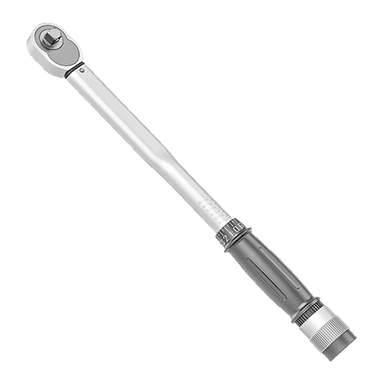
- Torque wrench (in-lb or small ft-lb range)
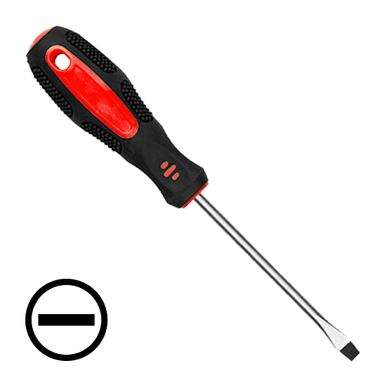
- Flathead screwdriver
- Trim clip tool
- Needle-nose pliers
- Shop towels
- Nitrile gloves
- Safety glasses
🔩 Required Parts
HowToo sells all the parts you need for this repair:
- Ignition coil - Replace all four - Qty: 4
- Dielectric grease - Qty: 1
📋 Before You Begin
- Park on level ground, put the shifter in neutral, and set the parking brake.
- Open the hood and remove any loose items around the engine bay.
- Disconnect the battery: use a 10mm socket to remove the negative terminal first, then tuck it aside so it can’t spring back.
- Blow/brush away dirt around the coils so debris can’t fall into the spark plug wells. Cleanliness prevents future misfires.
🔨 Step-by-Step Instructions
Follow these steps in order:
Step 1: Remove the engine cover (if equipped)
- If your Accord has a plastic engine cover, remove its fasteners using a 10mm socket or release clips with a trim clip tool.
- Lift the cover off and set it aside.
Step 2: Locate the ignition coils
- The coils are the 4 identical units on top of the valve cover, each with an electrical connector and a single hold-down bolt.
- Wipe the area with shop towels so you don’t push grit into the holes.
Step 3: Unplug the coil electrical connector
- Press the connector lock tab and pull the connector straight off the coil.
- If it’s stuck, gently help the tab with a flathead screwdriver while pulling—don’t pry hard on the wires.
Step 4: Remove the coil hold-down bolt
- Use a 10mm socket with a 6" socket extension (1/4") and 1/4" ratchet to remove the bolt.
- Set the bolt somewhere safe so it can’t fall into the engine bay.
Step 5: Pull the coil out
- Grip the coil and twist it slightly left-right to break the seal, then pull it straight up and out.
- If it won’t budge, use gentle rocking—don’t use tools to pry against the valve cover.
Step 6: Prep and install the new coil
- Put a small dab of dielectric grease inside the rubber boot of the new coil. (Dielectric grease is a non-conductive grease that helps prevent moisture and makes future removal easier.)
- Push the new coil straight down into the spark plug well until it fully seats.
Step 7: Reinstall the hold-down bolt and torque it
- Start the bolt by hand a few turns to avoid cross-threading.
- Tighten with a 10mm socket, then finish with a torque wrench.
- Torque to 12 Nm (9 ft-lbs)
Step 8: Reconnect the electrical connector
- Push the connector on until it clicks.
- Give it a gentle tug to confirm it’s locked.
Step 9: Repeat for the remaining coils
- Do the same steps for the other 3 coils, one at a time.
- One-at-a-time prevents mixing connectors.
Step 10: Reinstall engine cover and reconnect the battery
- Reinstall the engine cover using the 10mm socket or clips with the trim clip tool.
- Reconnect the battery negative terminal using a 10mm socket and tighten snugly.
✅ After Repair
- Start the engine and let it idle for 1-2 minutes. It should run smooth with no shaking.
- If you had a check-engine light, it may take a few drive cycles to turn off; best practice is to clear codes with a scan tool (if available).
- Test drive for 10-15 minutes and verify no hesitation under acceleration.
- Recheck that all connectors are fully clicked in if you still feel a misfire.
💰 DIY vs Shop Cost
Shop Cost: $250-$550 (parts + labor)
DIY Cost: $120-$320 (parts only)
You Save: $130-$230 by doing it yourself!
Shop labor rates vary but typically run $100-$150/hour. This repair takes a shop approximately 0.5-1.0 hours.
🎯 Ready to get started?
HowToo makes it easy: same-day/2-day shipping on every part, plus all the tools and specialty tools you need! Check out the parts and tools sections below to add everything to your cart.