






How to Replace Front Window Regulators on a 2019-2020 Nissan Altima
Step-by-step instructions with tools, parts, torque specs, safety tips, and window initialization for 2019, 2020
How to Replace Front Window Regulators on a 2019-2020 Nissan Altima
Step-by-step instructions with tools, parts, torque specs, safety tips, and window initialization for 2019, 2020


🔧 Altima - Front Window Regulator Replacement
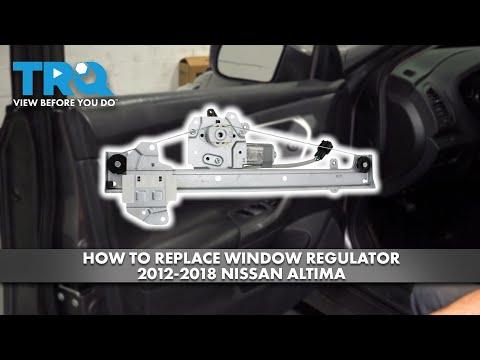
Replace each front regulator one door at a time. You’ll remove the trim panel, secure the glass, exchange the regulator inside the door, then initialize the power-window system. The left and right regulators are different, and matching options are now displayed in the parts sidebar at $92.76 per side.
Difficulty Level: Intermediate | Estimated Time: 1.5-2.5 hours per door
Assumption: These instructions cover a regulator-only replacement while reusing a working window motor.
⚠️ Safety & Precautions
- ⚠️ Wear gloves because the stamped metal inside the door has sharp edges.
- ⚠️ Secure the glass before releasing it from the regulator. Unsupported glass can fall and shatter.
- ⚠️ Keep fingers away from the regulator cables and tracks whenever power is connected.
- ⚠️ Disconnect the negative battery cable before unplugging door wiring.
- ⚠️ Do not switch the ignition on while door connectors are disconnected.
- ⚠️ Never slam the door while the glass is held by tape.
🔧 Required Tools
You'll need the following tools for this repair:
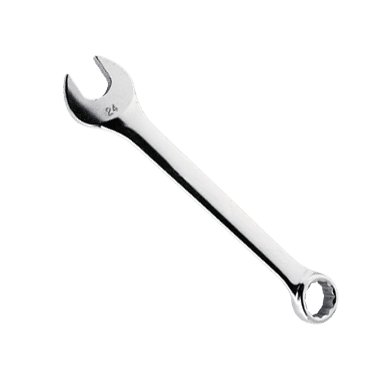
- 10mm socket
- 1/4-inch drive ratchet
- 6-inch extension for 1/4-inch drive
- 10mm combination wrench
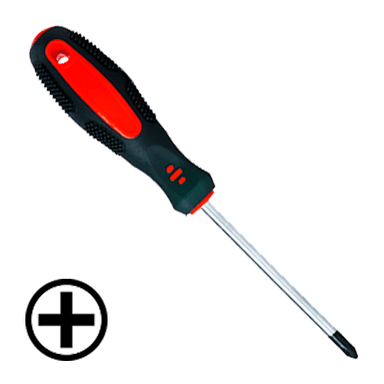
- Phillips #2 screwdriver
- Plastic trim removal tool set
- Small flat-blade screwdriver
- 90-degree pick tool
- 2-inch painter’s tape
- Glass suction cup (specialty)
- Inch-pound torque wrench rated 30-100 in-lb
- LED work light
- Mechanic gloves
- Safety glasses
🔩 Required Parts
HowToo sells all the parts you need for this repair:
- Front left window regulator - Qty: 1 if replacing driver side
- Front right window regulator - Qty: 1 if replacing passenger side
- Front window motor - Qty: 1 per door only if the existing motor is faulty
- Door trim retaining clips - Qty: 1 set
- Automotive butyl sealing tape - Qty: 1 roll as needed
The regulators shown in the parts sidebar are side-specific. Compare the selected listing with the door being repaired before opening the package.
📋 Before You Begin
- 📋 Park your Altima on level ground, select Park, and switch the ignition off.
- 📋 Work on one door at a time so the opposite door remains available as a visual reference.
- 📋 If the window still operates, lower it until its mounting fasteners line up with the door’s access openings.
- 📋 Use a 10mm wrench to disconnect the negative battery cable, then wait at least three minutes.
- 📋 A vapor barrier is the plastic water shield behind the trim panel. Preserve it and its sticky butyl seal.
🔨 Step-by-Step Instructions
Follow these steps in order:
Step 1: Remove the switch trim and hidden fasteners
- Use a plastic trim removal tool to lift the power-window switch panel from the armrest.
- Use a small flat-blade screwdriver to release the electrical connector locks, then unplug the switch panel.
- Use a plastic trim removal tool to remove the cover behind the inside door handle.
- Remove the exposed screws with a Phillips #2 screwdriver or 10mm socket, depending on the fastener fitted.
- Photograph each connector before unplugging it.
Step 2: Remove the door trim panel
- Use a plastic trim removal tool at the lower rear corner to release the first retaining clip.
- Continue around the bottom and sides until every clip releases.
- Lift the panel straight upward to disengage it from the window ledge.
- Use a small flat-blade screwdriver to release the remaining connectors and handle-cable retainers.
- Place the panel somewhere clean with its finished surface facing upward.
Step 3: Peel back the vapor barrier
- Use mechanic gloves and a plastic trim removal tool to separate the vapor barrier from the butyl adhesive.
- Peel back only enough material to expose the regulator and access openings.
- Do not cut wiring or tear the barrier. A poor seal lets rainwater reach the carpet and electronics.
- Butyl stays reusable when kept clean.
Step 4: Position and secure the window glass
- Temporarily reconnect the window switch and negative battery cable if the glass must be moved.
- Keep hands outside the door, switch the ignition on, and align the glass fasteners with the access openings.
- Switch the ignition off and disconnect the negative battery cable again with a 10mm wrench.
- Run several strips of 2-inch painter’s tape from the outside of the glass over the upper door frame.
- Add a glass suction cup for backup support if available.
Step 5: Disconnect the glass from the regulator
- Use a 10mm socket, extension, and ratchet through the access openings to remove or loosen the two glass mounting bolts.
- Hold the glass while releasing the second mounting point.
- Raise the glass completely by hand and secure it with fresh painter’s tape.
- Keep the glass centered in its guide channels so it doesn’t become wedged.
- During installation, tighten these bolts evenly to 6.1 Nm (54 in-lb). Do not overtighten fasteners against glass. Nissan service information emphasizes securing the glass before regulator removal. nicoclub.com)
Step 6: Disconnect and remove the regulator
- Use a small flat-blade screwdriver or pick tool to release the window-motor connector lock.
- Use a 10mm socket, extension, and ratchet to remove the regulator mounting bolts.
- Support the regulator while removing the final bolt.
- Collapse the regulator slightly and maneuver it through the largest door opening.
- Do not force it against wiring or the painted edges of the service opening.
Step 7: Transfer the window motor
- Skip this step if the replacement regulator includes the correct motor.
- Place both regulators beside each other and compare their mounting points, cable routing, and electrical connection.
- Use the tool matching the supplied motor fasteners to remove the motor from the old regulator.
- Keep fingers away from the cable drum because it may be spring-loaded.
- Install the motor on the replacement regulator and tighten its fasteners evenly to the regulator supplier’s specification.
- Do not power the loose motor and regulator on the workbench. That mechanism bites harder than it looks.
Step 8: Install the replacement regulator
- Guide the regulator through the large access opening without bending its tracks.
- Hand-start every mounting bolt before using the 10mm socket. This prevents cross-threading.
- Tighten the regulator mounting bolts evenly with the 10mm socket and ratchet.
- Use the torque value supplied with the replacement regulator for its mounting hardware. If none is provided, verify the current Nissan service specification rather than overtightening the thin door metal.
- Reconnect the motor connector until its lock clicks.
Step 9: Attach and align the glass
- Reconnect the battery and switch temporarily if necessary to move the regulator’s glass mounts into view.
- Disconnect the negative battery cable again with the 10mm wrench before placing hands inside the door.
- Remove the painter’s tape while supporting the glass, then lower the glass squarely into both regulator mounts.
- Use a 10mm socket to hand-snug both glass bolts.
- Use the inch-pound torque wrench to tighten both bolts evenly to 6.1 Nm (54 in-lb).
- Confirm the glass sits evenly in the front and rear channels.
Step 10: Test the mechanism before closing the door
- Keep hands and tools clear of the door cavity.
- Reconnect the switch and negative battery cable using the 10mm wrench.
- Switch the ignition on and operate the glass through one careful cycle.
- Stop immediately if the glass tilts, binds, clicks, or pulls out of a guide.
- Correct the glass alignment before continuing.
Step 11: Reseal and reinstall the trim panel
- Switch the ignition off and disconnect the negative battery cable using the 10mm wrench.
- Press the vapor barrier firmly into its original butyl adhesive.
- Add automotive butyl sealing tape anywhere the original seal no longer sticks.
- Reconnect the handle cable and every electrical connector.
- Hang the panel over the upper window ledge, then align its retaining clips.
- Press directly over each clip until it seats.
- Reinstall the screws using the Phillips #2 screwdriver or 10mm socket.
- Reconnect the switch panel and press its trim into place.
✅ After Repair
- ✅ Reconnect the negative battery cable securely with the 10mm wrench.
- ✅ Switch the ignition on without starting the engine.
- ✅ Fully lower the repaired window and continue holding the switch down for approximately five seconds.
- ✅ Fully raise the window and continue holding the switch up for approximately five seconds.
- ✅ Test one-touch operation. Repeat the initialization if automatic operation doesn’t return.
- ✅ Test the door lock, inside handle, mirror controls, speaker, and window switch.
- ✅ Pour a small amount of water along the outside glass seal and check the lower trim area for leakage.
- ✅ Repeat the complete procedure separately for the other front door.
💰 DIY vs Shop Cost
Shop Cost: $400-$850 per door (parts + labor)
DIY Cost: $93-$180 per door (parts and common consumables)
You Save: Approximately $250-$650 per door by doing it yourself!
Labor prices vary by region. This repair normally takes a shop approximately 1.0-2.0 hours per door.
🎯 Ready to get started?
HowToo makes it easy: same-day/2-day shipping on every part, plus all the tools and specialty tools you need! Check out the parts and tools sections below to add everything to your cart.