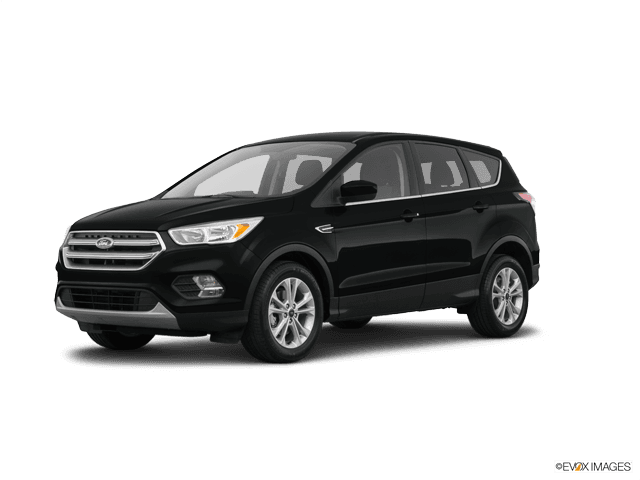









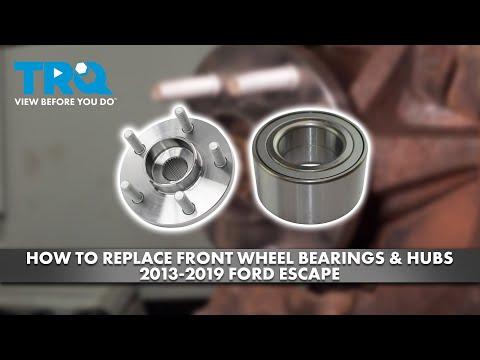




How to Replace Front Wheel Bearing Hub on a 2019 Ford Escape
Step-by-step DIY guide with tools, parts, torque specs, safety tips, and cost savings for 2013, 2014, 2015, 2016, 2017, 2018, 2019
How to Replace Front Wheel Bearing Hub on a 2019 Ford Escape
Step-by-step DIY guide with tools, parts, torque specs, safety tips, and cost savings for 2013, 2014, 2015, 2016, 2017, 2018, 2019


🔧 Escape - Front Wheel Bearing/Hub Replacement
This repair replaces the front wheel bearing and hub assembly on your Escape. A worn wheel bearing can cause humming, growling, vibration, ABS warnings, or wheel play, and it should be replaced promptly because it supports the wheel while driving.
Difficulty Level: Advanced | Estimated Time: 2.5-4 hours per side
Assumption: This guide covers the front wheel bearing/hub assembly. Rear bearing service on AWD is different.
⚠️ Safety & Precautions
- ⚠️ Work on level ground only, and support your Escape with jack stands before removing the wheel.
- ⚠️ Never rely on a floor jack by itself. A floor jack lifts; jack stands hold the vehicle safely.
- ⚠️ The axle nut is very tight. Loosen it only with the vehicle secure and the wheel prevented from turning.
- ⚠️ Do not let the brake caliper hang by the brake hose. Support it with mechanic’s wire or a bungee cord.
- ⚠️ Keep the wheel speed sensor wiring safe. Damaging it can trigger ABS and traction control lights.
- ⚠️ Replace the axle nut with a new one. It is designed for one-time use.
🔧 Required Tools
You'll need the following tools for this repair:
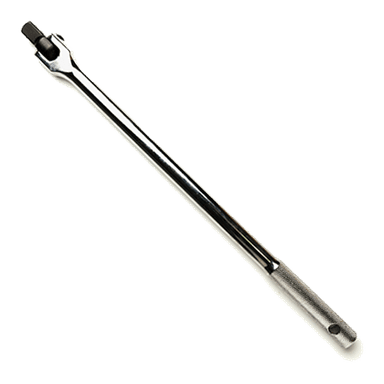
- 1/2-inch drive breaker bar
- 1/2-inch drive torque wrench rated to 250 ft-lbs
- 3/8-inch drive torque wrench rated to 100 ft-lbs
- 21mm socket
- 32mm axle nut socket
- 18mm socket
- 15mm socket
- 13mm socket
- 10mm socket
- 8mm socket
- Ratchet handle
- 6-inch socket extension
- Flathead screwdriver
- Needle-nose pliers
- Dead-blow hammer
- Ball-peen hammer
- Brass drift punch
- Hub puller kit (specialty)
- Axle pusher tool (specialty)
- Brake caliper hanger
- Wire brush
- Brake cleaner spray
- Floor jack rated 3-ton minimum
- Jack stands rated 3-ton minimum
- Wheel chocks
- Mechanic’s gloves
- Safety glasses
🔩 Required Parts
HowToo sells all the parts you need for this repair:
- Front wheel bearing and hub assembly - Qty: 1 per side
- Front axle nut - Qty: 1 per side
- Brake cleaner - Qty: 1 can
- Anti-seize compound - Qty: 1 small tube
📋 Before You Begin
- 🚗 Park your Escape on flat, solid ground.
- 🅿️ Shift to Park and apply the parking brake.
- 🧱 Place wheel chocks behind the rear wheels.
- 🔌 No battery disconnect is normally required for this front wheel bearing replacement.
- 📌 A hub assembly is the wheel bearing and wheel mounting flange built into one service part.
- 📌 A torque wrench tightens bolts to the correct force so parts are safe and not over-tightened.
🔨 Step-by-Step Instructions
Follow these steps in order:
Step 1: Loosen the Wheel Lug Nuts
- Use the 21mm socket and 1/2-inch drive breaker bar to loosen the front wheel lug nuts about one turn.
- Do not remove the lug nuts yet.
- Loosen before lifting the vehicle.
Step 2: Loosen the Front Axle Nut
- Use the 32mm axle nut socket and 1/2-inch drive breaker bar to loosen the front axle nut.
- Have a helper press the brake pedal, or carefully reinstall two lug nuts and use a pry bar through the wheel studs to stop the hub from turning.
- Do not fully remove the axle nut yet.
Step 3: Raise and Support Your Escape
- Use the floor jack rated 3-ton minimum to lift the front of your Escape at the proper front jacking point.
- Place jack stands rated 3-ton minimum under the front support points.
- Lower the vehicle gently onto the jack stands.
- Shake the vehicle lightly by hand to confirm it is stable.
Step 4: Remove the Wheel
- Use the 21mm socket and ratchet handle to remove the loosened lug nuts.
- Remove the front wheel and place it flat under the vehicle as an extra safety backup.
Step 5: Remove the Brake Caliper
- Use the 15mm socket and ratchet handle to remove the brake caliper slide-pin bolts.
- Lift the brake caliper off the rotor.
- Use the brake caliper hanger to hang the caliper from the strut spring.
- Do not stretch, twist, or pull on the brake hose.
Step 6: Remove the Brake Caliper Bracket
- Use the 18mm socket and 1/2-inch drive breaker bar to remove the caliper bracket bolts.
- Remove the caliper bracket and set it aside.
- During reassembly, use the 18mm socket and 3/8-inch drive torque wrench to tighten the caliper bracket bolts to Torque to 175 Nm (129 ft-lbs).
Step 7: Remove the Brake Rotor
- Pull the brake rotor straight off the hub by hand.
- If it is stuck, use the dead-blow hammer to tap around the rotor hat until it loosens.
- Do not hit the braking surface hard.
Step 8: Disconnect the Wheel Speed Sensor Wire
- Use the flathead screwdriver to gently release the wheel speed sensor wire clips from the knuckle.
- Use the 8mm socket or 10mm socket to remove the wheel speed sensor retaining bolt if sensor access is needed.
- A wheel speed sensor tells the ABS system how fast the wheel is turning.
- Move the wiring safely away from the hub area.
Step 9: Remove the Axle Nut
- Use the 32mm axle nut socket and ratchet handle to remove the axle nut fully.
- Discard the old axle nut.
- Do not reuse it.
Step 10: Push the Axle Inward
- Install the axle pusher tool (specialty) onto the hub following the tool instructions.
- Use the ratchet handle to press the axle splines inward slightly.
- If using a punch, use the brass drift punch and ball-peen hammer to tap the axle end gently.
- Do not mushroom or damage the axle threads.
Step 11: Remove the Hub Assembly Bolts
- From the back side of the steering knuckle, use the 13mm socket, 6-inch socket extension, and ratchet handle to remove the hub mounting bolts.
- If the bolts are tight, use the 1/2-inch drive breaker bar with the correct socket setup.
- Keep the bolts organized so you can compare them with the replacements if included.
Step 12: Remove the Old Hub Assembly
- Install the hub puller kit (specialty) onto the wheel studs.
- Use the ratchet handle to pull the hub assembly out of the steering knuckle.
- If it is rusted in place, use the dead-blow hammer to tap around the hub flange while applying puller tension.
- Do not pry against the wheel speed sensor tone area.
Step 13: Clean the Mounting Surface
- Use the wire brush to clean rust and dirt from the hub mounting bore.
- Use brake cleaner spray to clean the area.
- Apply a very thin film of anti-seize compound to the knuckle bore by hand while wearing mechanic’s gloves.
- Keep anti-seize away from the wheel studs, brake rotor surface, and sensor area.
Step 14: Install the New Hub Assembly
- Slide the new front wheel bearing and hub assembly into the steering knuckle by hand.
- Align the axle splines through the hub carefully.
- Start all hub bolts by hand first to avoid cross-threading.
- Use the 13mm socket, 6-inch socket extension, and 3/8-inch drive torque wrench to tighten the hub mounting bolts to Torque to 115 Nm (85 ft-lbs).
Step 15: Install the New Axle Nut
- Thread the new front axle nut on by hand.
- Use the 32mm axle nut socket and 1/2-inch drive torque wrench rated to 250 ft-lbs to tighten the axle nut to Torque to 258 Nm (190 ft-lbs).
- Do not use an impact gun for final tightening.
Step 16: Reconnect the Wheel Speed Sensor Wire
- Route the wheel speed sensor wire exactly as it was before.
- Use the flathead screwdriver to help seat the wire clips gently.
- If removed, use the 8mm socket or 10mm socket to reinstall the sensor retaining bolt snugly.
- Make sure the wire cannot rub the axle, rotor, or tire.
Step 17: Reinstall the Brake Rotor
- Use brake cleaner spray to clean the rotor braking surfaces.
- Slide the rotor back onto the hub by hand.
- Install one lug nut finger-tight to hold the rotor in place.
Step 18: Reinstall the Caliper Bracket
- Place the caliper bracket over the rotor.
- Start the bracket bolts by hand.
- Use the 18mm socket and 3/8-inch drive torque wrench to tighten the caliper bracket bolts to Torque to 175 Nm (129 ft-lbs).
Step 19: Reinstall the Brake Caliper
- Place the brake caliper back over the rotor and bracket.
- Use the 15mm socket and 3/8-inch drive torque wrench to tighten the caliper slide-pin bolts to Torque to 35 Nm (26 ft-lbs).
- Confirm the brake hose is not twisted.
Step 20: Reinstall the Wheel
- Remove the temporary lug nut holding the rotor.
- Install the wheel onto the hub.
- Use the 21mm socket and ratchet handle to snug the lug nuts in a star pattern.
Step 21: Lower and Torque the Wheel
- Use the floor jack rated 3-ton minimum to lift the vehicle slightly off the jack stands.
- Remove the jack stands rated 3-ton minimum.
- Lower your Escape until the tire just touches the ground.
- Use the 21mm socket and 1/2-inch drive torque wrench to tighten the lug nuts in a star pattern to Torque to 135 Nm (100 ft-lbs).
- Fully lower the vehicle.
✅ After Repair
- ✅ Pump the brake pedal several times before driving so the caliper seats correctly.
- ✅ Start your Escape and check that the ABS and traction control lights turn off after a short drive.
- ✅ Test drive at low speed first, then gradually increase speed while listening for noise.
- ✅ Recheck for rubbing sounds, vibration, brake drag, or warning lights.
- ✅ After 25-50 miles, recheck wheel lug nut torque to 135 Nm (100 ft-lbs).
- ✅ If the ABS light remains on, scan the ABS module before replacing more parts.
💰 DIY vs Shop Cost
Shop Cost: $450-$750 per front side (parts + labor)
DIY Cost: $120-$280 per front side (parts only)
You Save: $330-$470 by doing it yourself!
Shop labor rates vary but typically run $100-$150/hour. This repair takes a shop approximately 1.5-2.5 hours per side.
🎯 Ready to get started?
HowToo makes it easy: same-day/2-day shipping on every part, plus all the tools and specialty tools you need! Check out the parts and tools sections below to add everything to your cart.