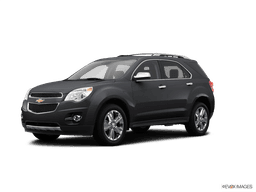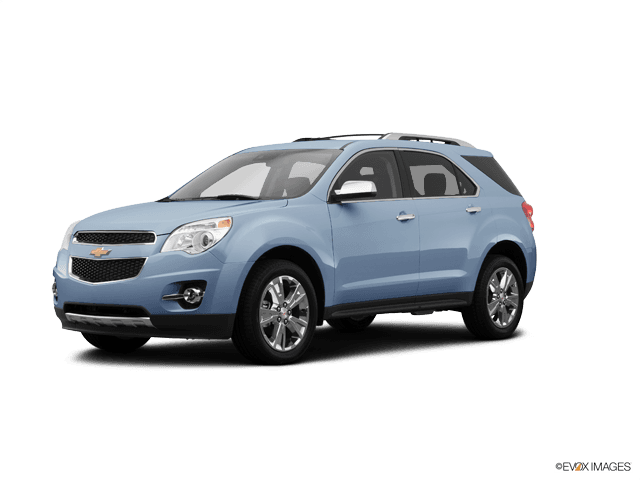







How to Replace Front Lower Control Arms on a 2014 Chevrolet Equinox
Step-by-step repair with tools, parts, torque specs, safety tips, and alignment guidance for 2010, 2011, 2012, 2013, 2014, 2015, 2016, 2017
How to Replace Front Lower Control Arms on a 2014 Chevrolet Equinox
Step-by-step repair with tools, parts, torque specs, safety tips, and alignment guidance for 2010, 2011, 2012, 2013, 2014, 2015, 2016, 2017


🔧 Control Arms - Front Lower Control Arm Replacement
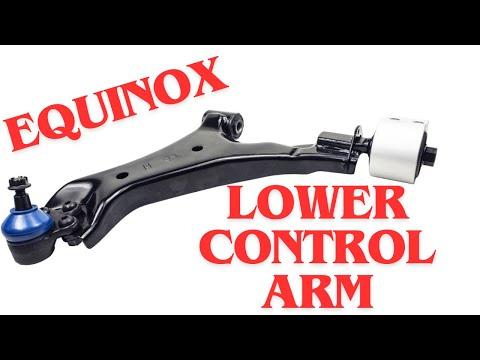
This procedure covers the front lower control arms on your Equinox, which connect the suspension to the subframe and help control wheel position. Worn control arms can cause clunks, steering wander, uneven tire wear, and poor braking stability.
Assumption: Front lower control arms are being replaced. Replace in pairs for even handling.
Difficulty Level: Advanced | Estimated Time: 3-5 hours
⚠️ Safety & Precautions
- Support the vehicle securely with jack stands before removing suspension parts.
- Do not work under a vehicle supported only by a jack.
- Use a spring-safe approach if the ball joint or knuckle needs to be separated. Keep hands clear of pinch points.
- If the control arm includes the ball joint, never reuse a damaged cotter pin or lock nut if equipped.
- Final torque for bushing bolts should be set with the suspension at normal ride height to prevent premature bushing failure.
🔧 Required Tools
You'll need the following tools for this repair:
- Floor jack (rated 3-ton minimum)
- Jack stands (rated 3-ton minimum)
- Wheel chocks
- Metric socket set
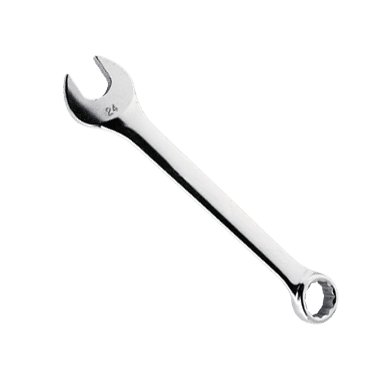
- Metric wrench set
- Breaker bar
- Torque wrench
- Ball joint separator (specialty)
- Penetrating oil
- Rubber mallet
- Safety glasses
- Mechanic gloves
🔩 Required Parts
HowToo sells all the parts you need for this repair:
- Front lower control arm, left - Qty: 1
- Front lower control arm, right - Qty: 1
- Control arm ball joint hardware - Qty: 2 sets
- Control arm bushing bolts - Qty: 2 sets
- Front wheel alignment - Qty: 1
📋 Before You Begin
- Park on a level surface and set the parking brake.
- Chock the rear wheels.
- Loosen the front wheel lug nuts before lifting the vehicle.
- Raise the front and support it securely with jack stands.
- Remove the front wheels.
- Plan on a wheel alignment after this repair.
🔨 Step-by-Step Instructions
Follow these steps in order:
Step 1: Remove the wheel and prep the hardware
- Use the correct wheel lug socket to remove both front wheels.
- Spray penetrating oil on the control arm bolts, ball joint nut, and any rusted fasteners.
- Let the oil soak while you set up the rest of the tools.
Step 2: Separate the ball joint from the steering knuckle
- Use the metric socket and wrench set to remove the ball joint nut.
- Use a ball joint separator to free the ball joint from the knuckle.
- Support the knuckle so the CV axle and brake hose are not stretched.
- Do not pry against the brake hose.
Step 3: Remove the control arm bolts
- Use the metric socket set and breaker bar to remove the rear and front control arm pivot bolts.
- If the bolts are tight, hold the opposite side with a wrench while loosening.
- Remove the control arm from the subframe.
Step 4: Install the new control arm
- Position the new control arm in the subframe and start both pivot bolts by hand.
- Insert the ball joint stud into the steering knuckle.
- Install the ball joint nut by hand first.
- Torque to manufacturer specification for the ball joint nut and pivot bolts.
Step 5: Set suspension height and torque the bushings
- Raise the suspension with the floor jack until the lower control arm sits near normal ride height.
- Use the torque wrench to tighten the inner pivot bolts at ride height.
- Torque to manufacturer specification for the control arm bushing bolts.
- This protects the rubber bushings.
Step 6: Reinstall the wheel and repeat on the other side
- Reinstall the wheel and hand-tighten the lug nuts.
- Repeat the same process on the other side if replacing both control arms.
- Lower the vehicle and torque the lug nuts with a torque wrench.
Step 7: Final inspection
- Check that the brake hose, axle, and ABS wire are routed correctly.
- Look for any contact between the control arm and surrounding parts.
- Verify all fasteners are tight before driving.
✅ After Repair
- Drive slowly at first and listen for clunks or popping noises.
- Check steering feel and brake stability.
- Schedule a front wheel alignment as soon as possible.
- Recheck lug nut torque after the test drive.
💰 DIY vs Shop Cost
Shop Cost: $500-$1,100 (parts + labor)
DIY Cost: $180-$420 (parts only)
You Save: $320-$680 by doing it yourself!
Shop labor rates vary but typically run $100-$150/hour. This repair takes a shop approximately 3-5 hours.
🎯 Ready to get started?
HowToo makes it easy: same-day/2-day shipping on every part, plus all the tools and specialty tools you need! Check out the parts and tools sections below to add everything to your cart.