






How to Replace Front Control Arms on a 2017 GMC Sierra 1500
Step-by-step suspension repair guide with tools, parts, safety tips, and alignment advice for 2014, 2015, 2016, 2017, 2018
How to Replace Front Control Arms on a 2017 GMC Sierra 1500
Step-by-step suspension repair guide with tools, parts, safety tips, and alignment advice for 2014, 2015, 2016, 2017, 2018


🔧 Control Arms - Replacement
Assumption: This covers the front upper and lower control arms on one side. If you are doing both sides, replace them in pairs and plan on a professional alignment afterward.
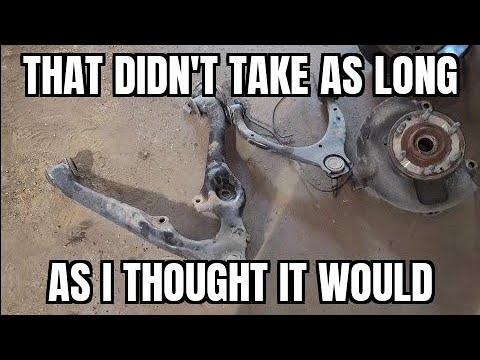
The control arms locate the front wheel and hold the suspension geometry in place. On your Sierra, this job involves separating the ball joints, removing the arm bolts, and then setting the new arms in place without preloading the bushings.
Difficulty Level: Advanced | Estimated Time: 4-8 hours
⚠️ Safety & Precautions
- Support the truck on jack stands; never work under a vehicle held up by a jack alone.
- Front suspension parts can move suddenly when ball joints separate.
- Do not disconnect the battery unless you have an aftermarket suspension sensor or related electrical issue.
- After installation, the vehicle must get a four-wheel alignment.
- Use extra care on 4WD models; front driveline and CV components can limit suspension droop.
- Keep the wheel hanging close to ride height.
🔧 Required Tools
You'll need the following tools for this repair:
- Floor jack (rated 3-ton minimum)
- Jack stands (rated for truck weight)
- Wheel chocks
- Breaker bar
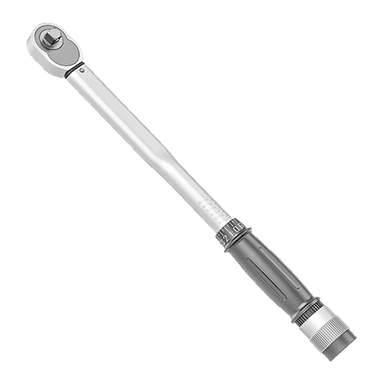
- Torque wrench
- Metric socket set
- Metric wrench set
- 21mm socket
- 18mm socket
- 15mm socket
- 13mm socket
- Ratchet
- Ball joint separator (specialty)
- Penetrating oil
- Bungee cord or wire hanger
- Safety glasses
- Mechanic gloves
🔩 Required Parts
HowToo sells all the parts you need for this repair:
- Front upper control arm - Qty: 1 per side
- Front lower control arm - Qty: 1 per side
- Upper control arm hardware kit - Qty: 1 per side
- Lower control arm hardware kit - Qty: 1 per side
- Ball joint nut - Qty: 2 per side
- Alignment service - Qty: 1
📋 Before You Begin
- Park on level ground and set the parking brake.
- Loosen the front lug nuts before lifting the truck.
- Lift the front end and support it securely on jack stands.
- Remove the wheel on the side you are repairing.
- Spray all control arm bolts and ball joint nuts with penetrating oil and let it soak.
🔨 Step-by-Step Instructions
Follow these steps in order:
Step 1: Remove the wheel and free the suspension
- Use the 21mm socket to remove the wheel lug nuts, then remove the wheel.
- Place a jack under the lower control arm or knuckle to keep the suspension from dropping hard.
- Keep tension on the suspension.
Step 2: Separate the ball joint
- Use the 15mm socket or the correct wrench for the ball joint nut and loosen the nut, but leave it threaded on a few turns.
- Use the ball joint separator to release the stud from the knuckle.
- Remove the nut and support the knuckle with a bungee cord or wire hanger so the brake hose and CV axle are not stretched.
Step 3: Remove the control arm bolts
- Use the metric socket set and breaker bar to remove the control arm pivot bolts.
- For the upper arm, remove the inner mounting bolts at the frame.
- For the lower arm, remove the inner pivot bolts at the frame.
- If a bolt is tight, lower or raise the jack slightly to take pressure off the bushing.
Step 4: Remove the control arm
- Work the arm out of the frame brackets and remove it from the truck.
- If the arm is stuck, tap it gently while prying with hand pressure only.
- Do not beat on the knuckle.
Step 5: Install the new control arm
- Position the new arm in the frame brackets and start all bolts by hand.
- Install the ball joint stud into the knuckle and thread the nut on by hand.
- Do not fully tighten the pivot bolts yet.
- Torque to GM factory specification.
Step 6: Final-torque at ride height
- Use the floor jack to raise the suspension until the control arm is near normal ride height.
- Use the torque wrench to final-tighten the inner pivot bolts with the suspension loaded.
- Torque the ball joint nut to GM factory specification.
- This prevents the rubber bushings from being twisted at rest.
Step 7: Reassemble the wheel end
- Reinstall the wheel and hand-tighten the lug nuts with the 21mm socket.
- Lower the truck to the ground.
- Torque the lug nuts to GM factory specification.
✅ After Repair
- Road test at low speed first and listen for clunks or popping.
- Check that the steering wheel sits straight.
- Schedule a four-wheel alignment right away.
- Recheck all fasteners after the alignment if the shop recommends it.
💰 DIY vs Shop Cost
Shop Cost: $700-$1,800 (parts + labor)
DIY Cost: $200-$700 (parts only)
You Save: $500-$1,100 by doing it yourself!
Shop labor rates vary but typically run $100-$150/hour. This repair takes a shop approximately 4-8 hours.
🎯 Ready to get started?
HowToo makes it easy: same-day/2-day shipping on every part, plus all the tools and specialty tools you need! Check out the parts and tools sections below to add everything to your cart.