

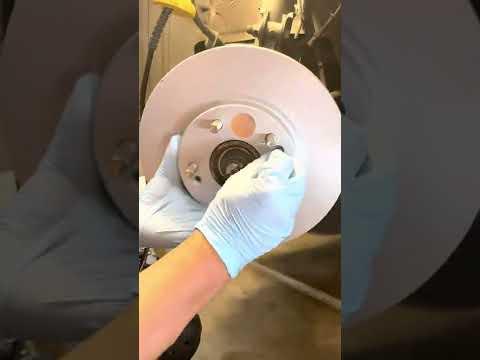







How to Replace Front Brake Pads and Rotors on a 2016 Kia Soul (DIY Guide)
Step-by-step instructions with required tools, parts list, safety tips, and torque specs for 2014, 2015, 2016
How to Replace Front Brake Pads and Rotors on a 2016 Kia Soul (DIY Guide)
Step-by-step instructions with required tools, parts list, safety tips, and torque specs for 2014, 2015, 2016


🔧 Soul - Front Brake Pads & Rotor Replacement
You’ll remove the front calipers, replace the brake pads, and swap the rotors (the round discs the pads squeeze). This restores stopping power, reduces noise/vibration, and prevents uneven wear when rotors are worn, grooved, or warped.
Difficulty Level: Intermediate | Estimated Time: 2-4 hours
Assumption: Stock front brake system; torque values listed are typical for this application—use the closest matching spec if hardware differs.
⚠️ Safety & Precautions
- ⚠️ Work on level ground and support the Soul with jack stands before removing any wheel.
- ⚠️ Do not breathe brake dust; use brake cleaner and let parts drip-dry.
- ⚠️ Never let the caliper hang by the brake hose; it can damage the hose.
- ⚠️ Keep grease and brake fluid off pad/rotor friction surfaces.
- ⚠️ No battery disconnect is required for front brakes on the Soul.
🔧 Required Tools
You'll need the following tools for this repair:
- Floor jack (rated 2-ton minimum)
- Jack stands (rated 2-ton minimum)
- Wheel chocks
- 21mm socket
- 3/8" drive ratchet
- 1/2" drive breaker bar
- 14mm socket
- 17mm socket
- Torque wrench (10-200 ft-lbs range)
- Flathead screwdriver
- C-clamp (6" minimum)
- Bungee cord
- Wire brush
- Rubber mallet
- Impact screwdriver (specialty)
- Phillips #3 bit
- Brake cleaner spray
- Shop towels
- Nitrile gloves
- Safety glasses
🔩 Required Parts
HowToo sells all the parts you need for this repair:
- Front brake pad set - Qty: 1
- Front brake rotors - Replace in pairs - Qty: 2
- Front brake hardware kit (abutment clips) - Qty: 1
- Brake caliper grease (high-temp silicone or synthetic) - Qty: 1
- Brake fluid (DOT 3 or DOT 4) - Qty: 1 quart
- Brake cleaner - Qty: 2 cans
📋 Before You Begin
- Park on level ground, shift to 1st gear, and set the parking brake.
- Place wheel chocks behind both rear wheels.
- Crack the front lug nuts loose before lifting using a 21mm socket and breaker bar.
- Pop the hood and loosen the brake fluid reservoir cap (leave it sitting on top).
- Set your torque wrench aside (it’s a wrench that “clicks” at a set tightness so you don’t over/under-tighten).
🔨 Step-by-Step Instructions
Follow these steps in order:
Step 1: Lift and remove the front wheels
- Use a floor jack to lift the front of the Soul at the proper front jacking point.
- Set the vehicle down on jack stands placed under solid frame/pinch-weld support points.
- Remove the lug nuts with a 21mm socket and ratchet, then remove both front wheels.
Step 2: Remove the brake caliper (the squeeze clamp)
- Turn the steering wheel to give yourself room to work on the caliper.
- Use a 14mm socket and ratchet to remove the two caliper slide bolts.
- Lift the caliper off the pads/rotor and hang it from the strut spring using a bungee cord.
- Torque on install: Torque to 28 Nm (21 ft-lbs)
- Tip: Don’t twist the brake hose.
Step 3: Remove the pads and caliper bracket (the pad “carrier”)
- Slide the old pads out by hand; use a flathead screwdriver gently if they’re stuck.
- The caliper bracket is the metal frame the pads ride in.
- Use a 17mm socket and breaker bar to remove the two caliper bracket bolts.
- Remove the caliper bracket and set it aside.
- Torque on install: Torque to 98 Nm (72 ft-lbs)
Step 4: Remove the rotor
- If your rotor has retaining screws, use an impact screwdriver (specialty) with a Phillips #3 bit to remove them (this tool you strike/turn to break stuck screws loose).
- Pull the rotor off the hub. If it’s stuck, tap around the rotor “hat” with a rubber mallet until it breaks free.
Step 5: Clean the hub and prep the bracket
- Use brake cleaner spray and shop towels to clean rust and dirt off the hub face.
- Use a wire brush to clean the caliper bracket pad lands (where the hardware clips sit).
- Install new hardware clips from the hardware kit.
- Tip: Clean hub face prevents rotor wobble.
Step 6: Install the new rotor
- Clean both sides of the new rotor with brake cleaner spray and shop towels (removes protective oil).
- Slide the new rotor onto the hub. If you removed retaining screws, reinstall them with the impact screwdriver (specialty) and Phillips #3 bit snugly.
Step 7: Reinstall the caliper bracket
- Position the bracket over the new rotor and start the bolts by hand.
- Tighten with a 17mm socket and ratchet, then final-tighten using a torque wrench.
- Torque to 98 Nm (72 ft-lbs)
Step 8: Compress the caliper piston
- Remove the brake reservoir cap completely and keep it upright (fluid may rise).
- Use a C-clamp to slowly press the piston back into the caliper until it’s fully seated.
- If fluid looks like it will overflow, soak some out with shop towels (do not spill on paint).
- Tip: Go slow to avoid seal damage.
Step 9: Install the new pads
- Apply a thin layer of brake caliper grease to pad ears/backing contact points only (not on the friction face).
- Slide the new pads into the bracket/hardware clips.
Step 10: Reinstall the caliper
- Lower the caliper over the new pads/rotor.
- Reinstall the slide bolts using a 14mm socket and ratchet.
- Final-tighten with a torque wrench.
- Torque to 28 Nm (21 ft-lbs)
Step 11: Reinstall wheels and torque lug nuts
- Install wheels and hand-thread lug nuts.
- Lower the Soul until tires touch the ground enough to not spin.
- Tighten lug nuts in a star pattern with a 21mm socket, then final-tighten with a torque wrench.
- Torque to 90-110 Nm (66-81 ft-lbs)
✅ After Repair
- With the engine OFF, pump the brake pedal 10-15 times until it feels firm (this seats the pistons).
- Check brake fluid level and top off with DOT 3 or DOT 4 if needed.
- Start the engine and confirm the pedal remains firm.
- Do a cautious test drive: low speed first, then moderate braking.
- Pad bedding (recommended): 6-10 medium stops from 35 mph to 10 mph, with cooling time between stops. Don’t hold the pedal at a stop hot.
- Recheck lug nut torque after 25-50 miles using a torque wrench.
💰 DIY vs Shop Cost
Shop Cost: $350-$650 (parts + labor)
DIY Cost: $120-$280 (parts only)
You Save: $230-$370 by doing it yourself!
Shop labor rates vary but typically run $100-$150/hour. This repair takes a shop approximately 1.5-3.0 hours.
🎯 Ready to get started?
HowToo makes it easy: same-day/2-day shipping on every part, plus all the tools and specialty tools you need! Check out the parts and tools sections below to add everything to your cart.