

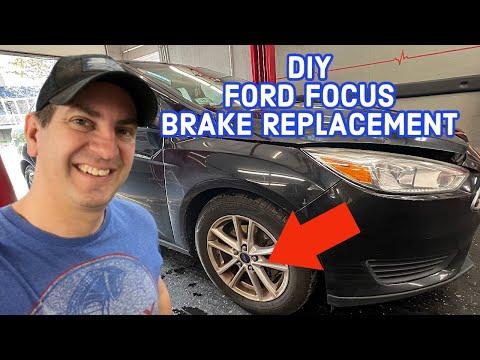





How to Replace Front Brake Pads and Rotors on a 2012-2018 Ford Focus (Trim: SE)
Step-by-step DIY guide with required tools, parts, torque specs, and safety tips for 2012, 2013, 2014, 2015, 2016, 2017, 2018
How to Replace Front Brake Pads and Rotors on a 2012-2018 Ford Focus (Trim: SE)
Step-by-step DIY guide with required tools, parts, torque specs, and safety tips for 2012, 2013, 2014, 2015, 2016, 2017, 2018


🔧 Focus - Front Brake Pad & Rotor Replacement
This repair replaces the front brake pads and front brake rotors on your Focus. The pads create the stopping friction, and the rotors are the metal discs the pads clamp onto; replacing them together helps restore smooth, quiet braking.
Difficulty Level: Beginner-Intermediate | Estimated Time: 2-3 hours
⚠️ Safety & Precautions
- ⚠️ Work on a cool brake system. Hot rotors and calipers can burn you.
- 🧱 Support your Focus with jack stands before working underneath or near the wheels. Never rely on the jack alone.
- 😷 Brake dust can be harmful. Do not blow it with compressed air; use brake cleaner and a shop towel.
- 🛑 Keep grease, oil, and fingerprints off the new rotor friction surfaces and brake pad material.
- 🔋 Battery disconnect is not required for this front brake job.
- 🚗 Your Focus uses standard front hydraulic calipers; EPB service mode is not required for the front brakes.
🔧 Required Tools
You'll need the following tools for this repair:
- 19mm lug nut socket
- 1/2-inch drive breaker bar
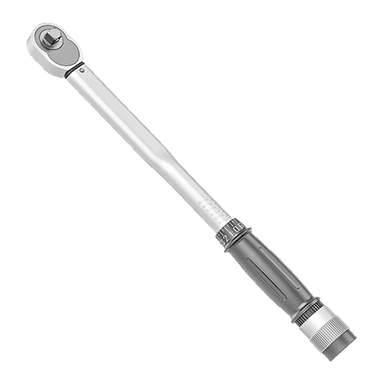
- 1/2-inch drive torque wrench
- Ratchet handle
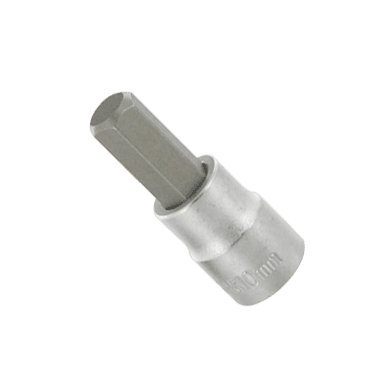
- 7mm hex bit socket
- 15mm socket
- Flat-blade screwdriver
- Brake caliper piston compressor tool (specialty)
- Wire brush
- Brake parts cleaner
- Bungee cord
- Floor jack (rated 2-ton minimum)
- Jack stands (rated 2-ton minimum)
- Wheel chocks
- Nitrile gloves
- Safety glasses
- Shop towels
🔩 Required Parts
HowToo sells all the parts you need for this repair:
- Front brake pad set - Qty: 1
- Front brake rotors - Qty: 2
- Front brake caliper guide pin boots - Qty: 1 set, if damaged
- Brake caliper slide pin grease - Qty: 1 packet
- Brake hardware kit - Qty: 1, if not included with pads
📋 Before You Begin
- 🅿️ Park your Focus on level ground, shift into 1st gear, and set the parking brake.
- 🧱 Place wheel chocks behind the rear wheels. Wheel chocks are wedges that stop the car from rolling.
- 🛞 Loosen the front lug nuts slightly before lifting the car. Do not remove them yet.
- 🧴 Open the hood and check the brake fluid reservoir. If it is completely full, remove a small amount with a clean suction tool before compressing caliper pistons.
- 🧼 Wash your hands or change gloves before touching new brake pads or rotor friction surfaces.
🔨 Step-by-Step Instructions
Follow these steps in order:
Step 1: Loosen the Front Wheel Lug Nuts
- Use the 19mm lug nut socket and 1/2-inch drive breaker bar to loosen each front lug nut about 1/2 turn.
- Do this while the tires are still touching the ground so the wheels do not spin.
- Tip: Loosen only, do not remove yet.
Step 2: Lift and Support the Front of the Car
- Use the floor jack at the front jacking point to lift your Focus.
- Place jack stands under the approved front support points on both sides.
- Slowly lower the car onto the jack stands.
- Gently push the car to confirm it is stable before removing the wheels.
Step 3: Remove the Front Wheels
- Use the 19mm lug nut socket and ratchet handle to remove the loosened lug nuts.
- Remove both front wheels and place them flat under the car as an extra safety backup.
Step 4: Remove the Caliper Spring Clip
- Use the flat-blade screwdriver to carefully pry the outer caliper spring clip away from the caliper.
- The spring clip is the metal wire clip on the outside face of the front brake caliper.
- Hold one hand over it while prying so it does not fly away.
Step 5: Remove the Caliper Guide Pin Bolts
- On the back of the caliper, remove the plastic guide pin caps by hand or with the flat-blade screwdriver.
- Use the 7mm hex bit socket and ratchet handle to remove the two caliper guide pin bolts.
- A guide pin lets the caliper slide smoothly as the pads wear.
Step 6: Lift Off and Support the Caliper
- Use the flat-blade screwdriver to gently wiggle the caliper loose from the rotor.
- Lift the caliper off the rotor by hand.
- Use the bungee cord to hang the caliper from the front strut spring.
- Do not let the caliper hang by the rubber brake hose.
Step 7: Remove the Old Brake Pads
- Pull the outer brake pad out of the caliper bracket by hand.
- Pull the inner brake pad out of the caliper piston by hand.
- The caliper piston is the round metal cup that pushes the inner pad against the rotor.
- Use the flat-blade screwdriver only if a pad is stuck.
Step 8: Compress the Caliper Piston
- Place an old brake pad against the caliper piston.
- Use the brake caliper piston compressor tool to slowly push the piston fully back into the caliper.
- Watch the brake fluid reservoir while compressing. Stop if fluid is close to overflowing.
- Tip: Slow pressure protects the brake system.
Step 9: Remove the Caliper Bracket
- Use the 15mm socket and ratchet handle to remove the two caliper bracket bolts from the steering knuckle.
- If tight, use the 1/2-inch drive breaker bar with the 15mm socket.
- Remove the caliper bracket and set it on a clean surface.
Step 10: Remove the Old Rotor
- Pull the old rotor straight off the wheel hub by hand.
- If the rotor is stuck from rust, tap the rotor hat area with controlled force using the handle end of the breaker bar.
- Do not hit the wheel studs.
Step 11: Clean the Hub and Bracket
- Use the wire brush to clean rust from the wheel hub face where the rotor sits.
- Use brake parts cleaner and shop towels to wipe the hub clean.
- Use the wire brush to clean the pad contact areas on the caliper bracket.
- A clean hub helps prevent brake vibration and pedal pulsation.
Step 12: Install the New Rotor
- Clean both sides of the new rotor with brake parts cleaner and shop towels.
- Slide the new rotor onto the wheel hub by hand.
- Thread one lug nut on by hand to hold the rotor flat while you work.
Step 13: Reinstall the Caliper Bracket
- Position the caliper bracket over the new rotor.
- Start both bracket bolts by hand to avoid cross-threading.
- Use the 15mm socket and torque wrench to tighten the caliper bracket bolts to Torque to 115 Nm (85 ft-lbs).
Step 14: Grease the Slide Points
- Use a gloved finger to apply a thin layer of brake caliper slide pin grease to the bracket areas where the brake pad ears touch.
- Apply a light coat of brake caliper slide pin grease to the guide pins if they are dry.
- Do not put grease on the rotor face or pad friction material.
- Tip: A thin coat is enough.
Step 15: Install the New Brake Pads
- Install the inner brake pad into the caliper piston by hand.
- Install the outer brake pad into the caliper bracket by hand.
- Make sure the pads sit squarely and slide freely in the bracket.
Step 16: Reinstall the Caliper
- Remove the bungee cord and carefully lower the caliper over the new pads and rotor.
- Start both guide pin bolts by hand.
- Use the 7mm hex bit socket and torque wrench to tighten the caliper guide pin bolts to Torque to 35 Nm (26 ft-lbs).
- Reinstall the plastic guide pin caps by hand.
Step 17: Reinstall the Caliper Spring Clip
- Use the flat-blade screwdriver to seat the outer caliper spring clip back into its original position.
- Make sure both ends of the clip are fully locked into the caliper holes.
Step 18: Repeat on the Other Front Side
- Repeat Steps 4 through 17 on the other front brake assembly using the same tools.
- Front brake pads and rotors should always be replaced in pairs.
Step 19: Reinstall the Wheels
- Remove the temporary lug nut holding each rotor.
- Install the front wheels by hand.
- Thread all lug nuts by hand first.
- Use the 19mm lug nut socket and ratchet handle to snug the lug nuts in a star pattern.
Step 20: Lower the Car and Torque the Lug Nuts
- Use the floor jack to raise the car slightly off the jack stands.
- Remove the jack stands and lower your Focus to the ground.
- Use the 19mm lug nut socket and torque wrench to tighten the lug nuts in a star pattern to Torque to 135 Nm (100 ft-lbs).
Step 21: Pump the Brake Pedal
- Before driving, sit in the driver seat and press the brake pedal several times until it feels firm.
- This moves the caliper pistons back into working position against the new pads.
- Do not skip this step. The first pedal push may go low.
✅ After Repair
- ✅ Check the brake fluid level and make sure it is between the MIN and MAX marks.
- 👀 Look behind both front wheels for any signs of fluid leaks or loose hardware.
- 🛑 With the engine running, press the brake pedal. It should feel firm and steady.
- 🚗 Test drive slowly in a safe area. Confirm the car stops straight with no grinding, scraping, or shaking.
- 🔥 Bed in the new pads: make 8-10 moderate stops from about 30 mph to 10 mph, allowing a short cooling period between stops.
- 🧊 Avoid hard emergency-style braking for the first 200 miles unless needed for safety.
- 🔁 Recheck lug nut torque after the first short drive using the 19mm lug nut socket and torque wrench.
💰 DIY vs Shop Cost
Shop Cost: $350-$650 (parts + labor)
DIY Cost: $120-$260 (parts only)
You Save: $230-$390 by doing it yourself!
Shop labor rates vary but typically run $100-$150/hour. This repair takes a shop approximately 1.5-2.0 hours.
🎯 Ready to get started?
HowToo makes it easy: same-day/2-day shipping on every part, plus all the tools and specialty tools you need! Check out the parts and tools sections below to add everything to your cart.