




How to Replace Engine Mounts on a 2019-2024 Nissan Altima (Engine: Inline 4 2.5L)
Step-by-step DIY guide with tools, parts, torque specs, safety tips, and cost savings for 2019, 2020, 2021, 2022, 2023, 2024
How to Replace Engine Mounts on a 2019-2024 Nissan Altima (Engine: Inline 4 2.5L)
Step-by-step DIY guide with tools, parts, torque specs, safety tips, and cost savings for 2019, 2020, 2021, 2022, 2023, 2024


🔧 Altima - Engine Mount Replacement
Engine mounts hold the engine and transmission steady while absorbing vibration. On your Altima, replacing the mounts requires safely supporting the engine from underneath, removing one mount at a time, and tightening the new mounts to specification.
Difficulty Level: Intermediate | Estimated Time: 3-5 hours
Assumption: This covers the main upper engine mount, lower torque mount, and transmission-side mount on your Altima.
⚠️ Safety & Precautions
- ⚠️ Never remove more than one mount at a time unless the engine and transmission are fully supported.
- ⚠️ Support the engine with a floor jack and a wood block under the oil pan. The wood spreads the load so the pan is not dented.
- ⚠️ Do not lift the vehicle using the engine oil pan or transmission case.
- ⚠️ Let the engine cool before working near the exhaust, coolant hoses, or radiator area.
- ⚠️ Disconnect the negative battery cable before working near wiring or the starter area.
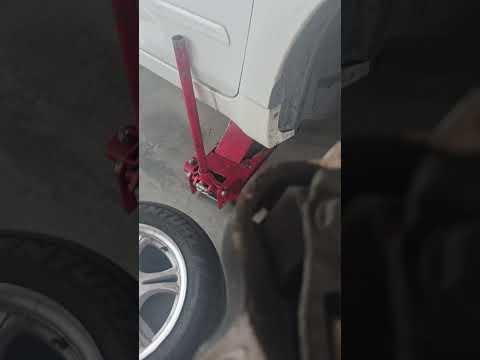
- ⚠️ Always support your Altima with jack stands before working underneath it.
🔧 Required Tools
You'll need the following tools for this repair:
- 10mm socket
- 12mm socket
- 14mm socket
- 17mm socket
- 19mm socket
- 21mm socket
- 3/8-inch drive ratchet
- 1/2-inch drive ratchet
- 1/2-inch drive breaker bar
- 3/8-inch drive 6-inch extension
- 1/2-inch drive 6-inch extension
- Torque wrench rated 10-150 ft-lbs
- Flat blade screwdriver
- Trim clip removal tool
- Floor jack rated 3-ton minimum
- Jack stands rated 3-ton minimum
- Wheel chocks
- Wood block 2x6-inch
- Work gloves
- Safety glasses
🔩 Required Parts
HowToo sells all the parts you need for this repair:
- Right upper engine mount - Qty: 1
- Lower torque mount - Qty: 1
- Transmission-side mount - Qty: 1
- Engine mount bracket bolts - Qty: As needed
- Underbody splash shield clips - Qty: As needed
📋 Before You Begin
- 🅿️ Park your Altima on level ground, shift to Park, and apply the parking brake.
- 🛞 Place wheel chocks behind the rear wheels.
- 🔋 Use a 10mm socket to disconnect the negative battery cable, then move it aside so it cannot touch the battery post.
- 🚗 Raise the front of your Altima with a floor jack and support it securely on jack stands.
- 🧰 A torque wrench tightens bolts to a measured force. This prevents loose mounts or stripped threads.
- 🧰 A breaker bar is a long-handled ratchet used to loosen tight bolts.
- 🧰 A trim clip tool removes plastic push clips without breaking them.
🔨 Step-by-Step Instructions
Follow these steps in order:
Step 1: Remove the Lower Splash Shield
- Put on safety glasses and work gloves.
- Use a trim clip removal tool to remove the plastic clips from the lower engine splash shield.
- Use a 10mm socket to remove any splash shield bolts.
- Lower the shield and set it aside.
- Keep clips organized by location.
Step 2: Support the Engine
- Place a wood block on the floor jack pad.
- Position the jack and wood block under the flat, reinforced area of the engine oil pan.
- Slowly raise the floor jack until the wood block just contacts the oil pan.
- Do not lift the vehicle. You only want to take the engine’s weight off the mount.
- Small jack movements are best.
Step 3: Replace the Right Upper Engine Mount
- Open the hood and locate the right upper engine mount on the passenger side of the engine bay.
- Use a 10mm socket to move any small brackets or harness retainers attached near the mount.
- Use a 17mm socket and breaker bar to loosen the engine-side mount bolts.
- Use a 17mm socket and breaker bar to loosen the body-side mount bolts.
- Raise or lower the floor jack slightly until the bolts slide out without binding.
- Use a 17mm socket to remove the mount bolts completely.
- Lift the old mount out of the engine bay.
- Place the new right upper engine mount in the same position.
- Start all bolts by hand first to avoid cross-threading.
- Use a 17mm socket to snug the bolts evenly.
- Use a torque wrench to tighten the mount-to-body bolts to Torque to 83 Nm (61 ft-lbs).
- Use a torque wrench to tighten the mount-to-engine bracket bolts to Torque to 83 Nm (61 ft-lbs).
- Use a 10mm socket to reinstall any brackets or harness retainers removed earlier.
Step 4: Replace the Lower Torque Mount
- Move underneath the front of your Altima with the vehicle safely on jack stands.
- Locate the lower torque mount between the engine/transmission assembly and the front subframe.
- Use a 17mm socket and breaker bar to loosen the through-bolt at the engine side of the mount.
- Use a 17mm socket and breaker bar to loosen the through-bolt at the subframe side of the mount.
- Use a 17mm socket to remove both bolts.
- If the bolts are tight from engine pressure, slightly raise or lower the floor jack until the bolts slide out.
- Remove the old lower torque mount.
- Install the new lower torque mount in the same orientation as the old one.
- Start both bolts by hand first.
- Use a 17mm socket to snug both bolts.
- Use a torque wrench to tighten the lower torque mount bolts to Torque to 103 Nm (76 ft-lbs).
- Match the old mount direction exactly.
Step 5: Support the Transmission Side
- Move the floor jack and wood block under the transmission case near the transmission mount area.
- Raise the jack slightly until it supports the transmission weight.
- Do not lift hard against the transmission case. Only support it.
Step 6: Access the Transmission-Side Mount
- Use a 10mm socket to remove the air intake duct fasteners if they block access.
- Use a flat blade screwdriver to loosen the intake hose clamp if needed.
- Use a 10mm socket to remove the air cleaner housing bolts if extra room is needed.
- Lift the air cleaner housing upward and set it aside carefully.
- Do not pull hard on attached wiring. Release clips with a trim clip removal tool if needed.
Step 7: Replace the Transmission-Side Mount
- Locate the transmission-side mount on the driver side of the engine bay.
- Use a 17mm socket and breaker bar to loosen the mount-to-body bolts.
- Use a 17mm socket and breaker bar to loosen the mount-to-transmission bracket bolts.
- Raise or lower the floor jack slightly until the bolts are relaxed.
- Use a 17mm socket to remove the bolts.
- Remove the old transmission-side mount.
- Install the new transmission-side mount in the same position.
- Start all bolts by hand first.
- Use a 17mm socket to snug the bolts evenly.
- Use a torque wrench to tighten the mount-to-body bolts to Torque to 83 Nm (61 ft-lbs).
- Use a torque wrench to tighten the mount-to-transmission bracket bolts to Torque to 83 Nm (61 ft-lbs).
Step 8: Reinstall Intake Parts
- Place the air cleaner housing back into position.
- Use a 10mm socket to reinstall the air cleaner housing bolts.
- Use a flat blade screwdriver to tighten the intake hose clamp.
- Use a 10mm socket to reinstall the air intake duct fasteners.
- Make sure all intake hoses are fully seated so the engine does not run rough.
Step 9: Remove Engine Support and Reinstall Splash Shield
- Slowly lower the floor jack until the engine and transmission rest fully on the new mounts.
- Remove the floor jack and wood block.
- Position the lower splash shield under the engine.
- Use a 10mm socket to reinstall the splash shield bolts.
- Use your hands and a trim clip removal tool to reinstall the plastic clips.
Step 10: Reconnect Battery and Lower Vehicle
- Use a 10mm socket to reconnect the negative battery cable.
- Remove all tools from under the vehicle.
- Use the floor jack to lift your Altima slightly off the jack stands.
- Remove the jack stands.
- Lower your Altima slowly to the ground.
✅ After Repair
- ✅ Start the engine and let it idle for one minute.
- ✅ Watch the engine while shifting from Park to Reverse and Drive with your foot firmly on the brake.
- ✅ A small amount of movement is normal. A large clunk or jump means a mount or bolt may be loose.
- ✅ Listen for rattles, knocks, or vibration at idle.
- ✅ Take a short test drive at low speed first.
- ✅ Recheck visible mount bolts after the test drive.
💰 DIY vs Shop Cost
Shop Cost: $650-$1,150 (parts + labor)
DIY Cost: $220-$550 (parts only)
You Save: $430-$600 by doing it yourself!
Shop labor rates vary but typically run $100-$150/hour. This repair takes a shop approximately 3-5 hours.
🎯 Ready to get started?
HowToo makes it easy: same-day/2-day shipping on every part, plus all the tools and specialty tools you need! Check out the parts and tools sections below to add everything to your cart.