

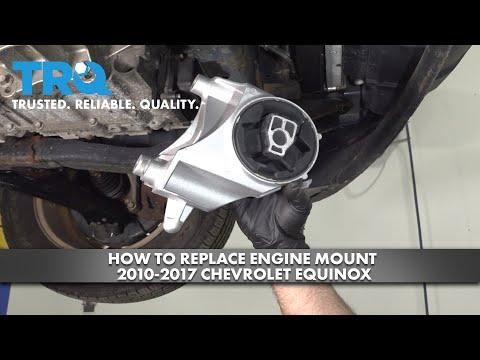






How to Replace Engine Mounts on a 2015 Chevrolet Equinox 2.4L
Step-by-step instructions with safety tips, tools, parts, and torque guidance for 2010, 2011, 2012, 2013, 2014, 2015, 2016, 2017
How to Replace Engine Mounts on a 2015 Chevrolet Equinox 2.4L
Step-by-step instructions with safety tips, tools, parts, and torque guidance for 2010, 2011, 2012, 2013, 2014, 2015, 2016, 2017


🔧 Engine Mounts - Replacement
The 2.4L Equinox uses multiple mounts to hold the engine steady and control movement. Replacing a worn mount reduces clunks, vibration, and drivetrain shake. This procedure covers the common engine-mount replacement approach: support the engine, remove the mount, and install the new one with the correct torque.
Difficulty Level: Intermediate | Estimated Time: 2-4 hours
⚠️ Safety & Precautions
- Support the engine before removing any mount. Never let the engine hang on the remaining mounts.
- Use a floor jack with a wood block under the oil pan or a proper engine support bar. Do not crush the pan.
- Keep hands clear while raising or lowering the engine slightly to align bolt holes.
- If a mount is near the starter, alternator, or wiring, disconnect the negative battery cable first.
- Work on a level surface with the parking brake set and the wheels chocked.
🔧 Required Tools
You'll need the following tools for this repair:
- Floor jack (rated 3-ton minimum)
- Jack stands (rated 3-ton minimum)
- Wheel chocks
- Metric socket set
- Metric wrench set
- Torque wrench
- Breaker bar
- Ratchet
- Extensions
- Wood block
- Safety glasses
- Mechanic gloves
- Trim clip tool
🔩 Required Parts
HowToo sells all the parts you need for this repair:
- Engine mount - Qty: 1
- Mount-to-body bolts - Qty: 1 set
- Mount-to-engine bolts - Qty: 1 set
- Replace any damaged brackets or insulators - Qty: As needed
📋 Before You Begin
- Park on level ground and set the parking brake.
- Chock the rear wheels.
- Disconnect the negative battery cable if your mount location is close to electrical components.
- Raise the front of the vehicle and support it securely on jack stands if underside access is needed.
- Tip: Take a photo before removal.
🔨 Step-by-Step Instructions
Follow these steps in order:
Step 1: Support the engine
- Place a floor jack under the oil pan with a wood block between the jack and pan.
- Raise the jack just enough to hold the engine weight. Do not lift the vehicle.
- If you have an engine support bar, use it instead for better control.
Step 2: Remove access components
- Use the appropriate metric socket and trim clip tool to remove any air box pieces, splash shields, or covers blocking the mount.
- Set all hardware aside in order.
Step 3: Remove the mount fasteners
- Use the metric socket and breaker bar to loosen the mount-to-body bolts.
- Use the metric socket to remove the mount-to-engine bolts.
- If bolts are tight, soak them with penetrating oil and wait a few minutes.
- Tip: Break bolts loose before removing them fully.
Step 4: Remove the old mount
- Lower or raise the engine slightly with the floor jack until the mount comes free.
- Lift the mount out of the bracket area by hand.
- Check for torn rubber, cracked metal, or collapsed insulators.
Step 5: Install the new mount
- Position the new mount in place by hand first.
- Start all bolts by hand before tightening them.
- Use the floor jack to move the engine slightly if needed so the holes line up.
- Tighten the mount bolts to the factory spec for your exact mount location.
Step 6: Reinstall removed parts
- Reinstall any air boxes, splash shields, brackets, or covers using the metric socket and trim clip tool.
- Make sure nothing is pinched or rubbing.
Step 7: Lower and test
- Remove the jack or engine support slowly.
- Reconnect the negative battery cable if it was disconnected.
- Start the engine and watch for excess movement or knocking.
✅ After Repair
- Check idle vibration in Park and Reverse.
- Listen for clunks during throttle tip-in and gear changes.
- Inspect the mount area again after a short test drive.
- If the engine shifts a lot, recheck fastener torque and mount placement.
💰 DIY vs Shop Cost
Shop Cost: $450-$1,000 (parts + labor)
DIY Cost: $120-$350 (parts only)
You Save: $330-$650 by doing it yourself!
Shop labor rates vary but typically run $100-$150/hour. This repair takes a shop approximately 2-4 hours.
🎯 Ready to get started?
HowToo makes it easy: same-day/2-day shipping on every part, plus all the tools and specialty tools you need! Check out the parts and tools sections below to add everything to your cart.