

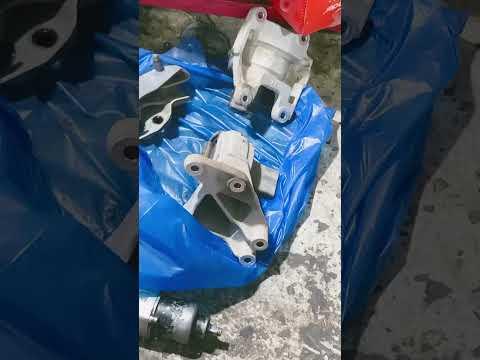



How to Replace Engine Mounts on a 2012-2017 Jeep Wrangler 3.6L (Engine: V6 3.6L)
Step-by-step DIY guide with tools, parts, torque specs, safety tips, and cost savings for 2012, 2013, 2014, 2015, 2016, 2017
How to Replace Engine Mounts on a 2012-2017 Jeep Wrangler 3.6L (Engine: V6 3.6L)
Step-by-step DIY guide with tools, parts, torque specs, safety tips, and cost savings for 2012, 2013, 2014, 2015, 2016, 2017


🔧 Wrangler - Engine Mount Replacement
Replacing the engine mounts on your Wrangler involves safely supporting the 3.6L engine, removing the worn mounts, and installing new mounts on both sides. Engine mounts hold the engine steady and absorb vibration, so bad mounts can cause clunking, shaking, or excessive movement when shifting or accelerating.
Difficulty Level: Intermediate | Estimated Time: 3-5 hours
⚠️ Safety & Precautions
- ⚠️ Support the engine with a floor jack and a wide wood block before removing any mount bolts.
- ⚠️ Never place your hands between the engine, frame, or mount brackets while the engine is being raised or lowered.
- ⚠️ Use jack stands if you raise the vehicle. A floor jack alone is not safe for working underneath.
- ⚠️ Work on a cool engine to avoid burns from the exhaust, oil pan, or engine brackets.
- ⚠️ Disconnect the negative battery cable before working around the engine bay.
- ⚠️ Replace left and right engine mounts as a pair for best vibration control.
🔧 Required Tools
You'll need the following tools for this repair:
- 10mm socket
- 13mm socket
- 15mm socket
- 18mm socket
- 21mm socket
- 3/8-inch ratchet
- 1/2-inch ratchet
- 1/2-inch breaker bar
- 3-inch extension
- 6-inch extension
- 18mm wrench
- 21mm wrench
- Torque wrench 10-150 ft-lbs
- Floor jack rated 3-ton minimum
- Jack stands rated 3-ton minimum
- Wheel chocks
- Wood block 2x6 minimum
- Trim clip removal tool
- Flathead screwdriver
- Work gloves
- Safety glasses
🔩 Required Parts
HowToo sells all the parts you need for this repair:
- Left engine mount - Qty: 1
- Right engine mount - Qty: 1
- Engine mount fastener kit - Qty: 1
Note: Replace in pairs. Reusing badly rusted or stretched mount hardware is not recommended.
📋 Before You Begin
- 🅿️ Park your Wrangler on level ground.
- 🛞 Place wheel chocks behind the rear wheels.
- 🔒 Set the parking brake and leave the manual transmission in Neutral while supporting the engine.
- 🔋 Use a 10mm socket to disconnect the negative battery cable.
- 🧊 Let the engine cool completely before starting.
- 📌 A torque wrench is a tool that tightens bolts to an exact tightness, which helps prevent loose or broken fasteners.
🔨 Step-by-Step Instructions
Follow these steps in order:
Step 1: Secure Your Wrangler
- Use wheel chocks behind the rear wheels.
- Use a floor jack rated 3-ton minimum to raise the front only if you need more working room.
- Place jack stands rated 3-ton minimum under the front frame rails.
- Gently lower the vehicle onto the jack stands.
- Keep the floor jack nearby for supporting the engine later.
Step 2: Disconnect the Battery
- Use a 10mm socket to loosen the negative battery terminal clamp.
- Move the negative cable aside so it cannot touch the battery post.
- Tip: Wrap the cable end with a rag.
Step 3: Remove Lower Access Items
- Use a 13mm socket to remove the front skid plate or lower splash shield fasteners if equipped.
- Use a trim clip removal tool or flathead screwdriver to remove any plastic push clips.
- Set the shield and fasteners aside in order.
- Tip: Take a photo before removing shields.
Step 4: Support the Engine
- Place a wood block 2x6 minimum on the floor jack saddle.
- Position the wood block under the flat, strong area of the engine oil pan.
- Use the floor jack rated 3-ton minimum to raise the jack until the wood just contacts the oil pan.
- Raise only enough to support the engine weight. Do not lift the vehicle off the jack stands.
- Important: The wood spreads the load so the oil pan is less likely to dent.
Step 5: Loosen the Left Engine Mount Through-Bolt
- The through-bolt is the long bolt passing through the rubber engine mount.
- Use an 18mm socket and 18mm wrench to loosen the left engine mount through-bolt and nut.
- Do not fully remove it yet.
- If the bolt is tight, use a 1/2-inch breaker bar for extra leverage.
Step 6: Loosen the Right Engine Mount Through-Bolt
- Use an 18mm socket and 18mm wrench to loosen the right engine mount through-bolt and nut.
- Do not fully remove it yet.
- Make sure the engine is still supported by the floor jack and wood block.
Step 7: Remove the Left Mount Fasteners
- Use an 18mm socket with a 6-inch extension to remove the left engine mount-to-frame bracket bolts.
- Use a 15mm socket or 18mm socket as applicable to remove the mount-to-engine bracket bolts.
- Use the floor jack to raise the engine slightly only if needed for bolt access.
- Remove the left through-bolt with an 18mm socket and 18mm wrench.
- Remove the left engine mount from the vehicle.
- Tip: Raise the engine slowly, a little at a time.
Step 8: Install the New Left Engine Mount
- Position the new left engine mount in the same orientation as the old one.
- Use your fingers to start all bolts by hand first. This prevents cross-threading, which means damaging the bolt threads.
- Use an 18mm socket to snug the mount-to-frame bracket bolts.
- Use a 15mm socket or 18mm socket as applicable to snug the mount-to-engine bracket bolts.
- Install the through-bolt using an 18mm socket and 18mm wrench, but do not fully tighten yet.
Step 9: Remove the Right Mount Fasteners
- Use an 18mm socket with a 6-inch extension to remove the right engine mount-to-frame bracket bolts.
- Use a 15mm socket or 18mm socket as applicable to remove the mount-to-engine bracket bolts.
- Use the floor jack to raise or lower the engine slightly as needed to relieve pressure on the bolts.
- Remove the right through-bolt with an 18mm socket and 18mm wrench.
- Remove the right engine mount from the vehicle.
Step 10: Install the New Right Engine Mount
- Position the new right engine mount in the same orientation as the old one.
- Start all bolts by hand first.
- Use an 18mm socket to snug the mount-to-frame bracket bolts.
- Use a 15mm socket or 18mm socket as applicable to snug the mount-to-engine bracket bolts.
- Install the through-bolt using an 18mm socket and 18mm wrench, but do not fully tighten yet.
Step 11: Settle the Engine onto the Mounts
- Use the floor jack to slowly lower the engine onto both new mounts.
- Watch both mounts while lowering to make sure the holes stay aligned.
- If a bolt binds, use the floor jack to slightly raise or lower the engine until the bolt slides freely.
- Do not force bolts with a ratchet if they are not aligned.
Step 12: Torque the Engine Mount Fasteners
- Use a torque wrench 10-150 ft-lbs with the correct socket to tighten the engine mount-to-frame bolts to Torque to 75 Nm (55 ft-lbs).
- Use a torque wrench 10-150 ft-lbs with the correct socket to tighten the engine mount-to-engine bracket bolts to Torque to 68 Nm (50 ft-lbs).
- Use a torque wrench 10-150 ft-lbs with an 18mm socket and 18mm wrench to tighten each through-bolt nut to Torque to 88 Nm (65 ft-lbs).
- Note: If your replacement mount instructions include different torque specs, follow the instructions supplied with the parts.
Step 13: Reinstall Lower Shields
- Use a 13mm socket to reinstall the skid plate or lower splash shield fasteners if removed.
- Use a trim clip removal tool or flathead screwdriver to reinstall plastic push clips if equipped.
- Tighten shield bolts snugly. Do not overtighten small shield fasteners.
Step 14: Reconnect the Battery
- Use a 10mm socket to reconnect the negative battery cable.
- Tighten the terminal clamp until secure. Do not crush the battery post.
Step 15: Lower the Vehicle
- Use the floor jack rated 3-ton minimum to lift the front slightly off the jack stands.
- Remove the jack stands rated 3-ton minimum.
- Lower your Wrangler slowly to the ground.
- Remove the wheel chocks.
✅ After Repair
- ✅ Start the engine and let it idle while watching for abnormal vibration or knocking.
- ✅ With your foot firmly on the brake, gently shift between Neutral, 1st gear, and Reverse to check for excessive engine movement.
- ✅ Take a short, slow test drive and listen for clunks during takeoff, shifting, and braking.
- ✅ Recheck visible mount fasteners after the test drive using a torque wrench if anything feels loose.
- ✅ Confirm no hoses, wiring, or exhaust parts are stretched or rubbing near the mounts.
💰 DIY vs Shop Cost
Shop Cost: $550-$950 (parts + labor)
DIY Cost: $120-$300 (parts only)
You Save: $430-$650 by doing it yourself!
Shop labor rates vary but typically run $100-$150/hour. This repair takes a shop approximately 3-4 hours.
🎯 Ready to get started?
HowToo makes it easy: same-day/2-day shipping on every part, plus all the tools and specialty tools you need! Check out the parts and tools sections below to add everything to your cart.