

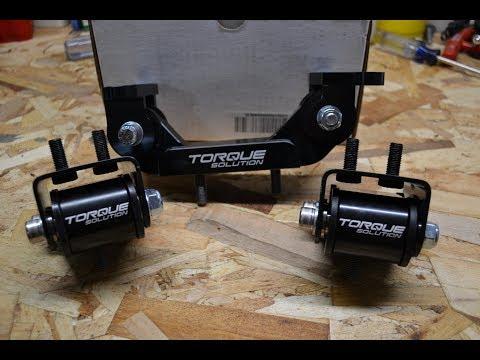






How to Replace Engine Mounts on a 2003-2018 Subaru Forester (Engine: Flat 4 2.5L)
Step-by-step DIY guide with tools, parts, torque specs, safety tips, and cost savings for 2003, 2009, 2010, 2011, 2012, 2013, 2014, 2015, 2016, 2017, 2018
How to Replace Engine Mounts on a 2003-2018 Subaru Forester (Engine: Flat 4 2.5L)
Step-by-step DIY guide with tools, parts, torque specs, safety tips, and cost savings for 2003, 2009, 2010, 2011, 2012, 2013, 2014, 2015, 2016, 2017, 2018


🔧 Forester - Engine Mount Replacement
Your Forester uses engine mounts to hold the engine in place while absorbing vibration. Worn mounts can cause clunks, excessive shaking at idle, or a thump when taking off or shifting.
This repair involves safely supporting the engine, removing the lower mount fasteners, lifting the engine slightly, and replacing the left and right engine mounts.
Difficulty Level: Intermediate | Estimated Time: 3-5 hours
⚠️ Safety & Precautions
- ⚠️ Support the engine before removing engine mount fasteners. The mounts help carry the engine’s weight.
- ⚠️ Never place your hands between the engine and body while lifting or lowering the engine.
- ⚠️ Use a wood block between the floor jack and oil pan to spread the load and reduce denting risk.
- ⚠️ Lift the engine only enough to remove the mounts. Overlifting can damage hoses, wiring, exhaust parts, or the radiator area.
- ⚠️ Work only on level ground with the vehicle supported by jack stands.
- ⚠️ Battery disconnect is recommended because your hands and tools will be near the starter and engine wiring.
🔧 Required Tools
You'll need the following tools for this repair:
- Floor jack (rated 2-ton minimum)
- Jack stands (rated 2-ton minimum)
- Wheel chocks
- Wood block 12-inch x 12-inch
- 10mm socket
- 12mm socket
- 14mm socket
- 17mm socket
- 14mm deep socket
- 17mm deep socket
- Ratchet 3/8-inch drive
- Ratchet 1/2-inch drive
- Breaker bar 1/2-inch drive
- Torque wrench 3/8-inch drive
- Torque wrench 1/2-inch drive
- Extension 3/8-inch drive 6-inch
- Extension 1/2-inch drive 10-inch
- Universal joint socket adapter 3/8-inch drive
- 14mm wrench
- 17mm wrench
- Flat trim clip remover
- Pry bar 18-inch
- Paint marker
- Penetrating oil
- Safety glasses
- Mechanic gloves
🔩 Required Parts
HowToo sells all the parts you need for this repair:
- Left engine mount - Qty: 1
- Right engine mount - Qty: 1
- Engine mount lower nuts - Qty: 2
- Engine mount bracket bolts - Qty: 4
- Battery terminal protector - Qty: 1
📋 Before You Begin
- Park your Forester on level ground.
- Set the parking brake and place wheel chocks behind the rear wheels.
- Open the hood and let the engine cool fully.
- Use a 10mm socket and ratchet 3/8-inch drive to disconnect the negative battery cable.
- Spray penetrating oil on the lower engine mount nuts from underneath.
- Use a paint marker to mark mount/bracket positions before removal. This helps line up the new mounts.
🔨 Step-by-Step Instructions
Follow these steps in order:
Step 1: Raise and Support the Front of the Vehicle
- Use a floor jack (rated 2-ton minimum) to lift the front of your Forester at the front center jacking point.
- Place jack stands (rated 2-ton minimum) under the front side support points.
- Lower the vehicle gently onto the jack stands.
- Shake the vehicle lightly by hand to make sure it is stable before going underneath.
Step 2: Remove the Lower Splash Shield
- Use a flat trim clip remover to remove the plastic clips from the lower engine splash shield.
- Use a 12mm socket and ratchet 3/8-inch drive to remove any shield bolts.
- Lower the splash shield and set it aside.
Step 3: Locate the Engine Mounts
- From underneath, find the left and right engine mounts near the front crossmember.
- The crossmember is the large metal support running under the engine.
- Each mount has a lower stud with a nut going through the crossmember.
Step 4: Loosen the Lower Engine Mount Nuts
- Use a 14mm deep socket, extension 1/2-inch drive 10-inch, and breaker bar 1/2-inch drive to loosen each lower engine mount nut.
- Remove both lower nuts completely.
- If the nut is rusty, spray more penetrating oil and wait a few minutes.
- Patience prevents broken studs.
Step 5: Support the Engine
- Place the wood block 12-inch x 12-inch on the saddle of the floor jack (rated 2-ton minimum).
- Position the wood block under the flat reinforced area of the engine oil pan.
- Raise the jack until the wood block just touches the oil pan.
- Do not lift yet. The goal is to support the engine, not raise it suddenly.
Step 6: Remove Upper Engine Mount Bracket Bolts
- Working from underneath and around the sides, use a 14mm socket, extension 3/8-inch drive 6-inch, universal joint socket adapter 3/8-inch drive, and ratchet 3/8-inch drive to remove the mount-to-engine bracket bolts.
- Use a 14mm wrench where a socket will not fit.
- Remove the bolts from one mount first, then the other.
- Keep track of bolt locations as you remove them.
Step 7: Lift the Engine Slightly
- Use the floor jack (rated 2-ton minimum) to raise the engine slowly.
- Lift only about 25-40 mm, or just enough for the mount studs to clear the crossmember.
- Watch hoses, wiring, radiator hoses, exhaust flex areas, and the fan area while lifting.
- Stop immediately if anything starts stretching or binding.
Step 8: Remove the Old Engine Mounts
- Use a pry bar 18-inch gently if a mount is stuck in the crossmember.
- Remove the left and right engine mounts from underneath.
- Compare each old mount to the new mount before installing.
- Make sure the locating pins and studs face the same direction.
Step 9: Install the New Engine Mounts
- Position the new left engine mount and right engine mount into the crossmember openings.
- Use the paint marker marks as a basic alignment reference.
- Start the upper mount bolts by hand first.
- Do not fully tighten the bolts yet.
- Hand-start bolts to protect threads.
Step 10: Lower the Engine onto the Mounts
- Use the floor jack (rated 2-ton minimum) to lower the engine slowly.
- Guide the mount studs through the crossmember holes.
- Use a pry bar 18-inch gently if small alignment adjustments are needed.
- Keep fingers away from the mount and crossmember while lowering.
Step 11: Tighten the Upper Mount Bolts
- Use a 14mm socket, extension 3/8-inch drive 6-inch, universal joint socket adapter 3/8-inch drive, and torque wrench 3/8-inch drive to tighten the upper mount bracket bolts.
- Torque to 50 Nm (37 ft-lbs)
Step 12: Install and Tighten the Lower Mount Nuts
- Install the lower engine mount nuts by hand onto the studs.
- Use a 14mm deep socket, extension 1/2-inch drive 10-inch, and torque wrench 1/2-inch drive to tighten both lower nuts.
- Torque to 70 Nm (52 ft-lbs)
Step 13: Remove the Engine Support Jack
- Use the floor jack (rated 2-ton minimum) to lower the jack slightly until the engine weight is fully on the new mounts.
- Remove the wood block 12-inch x 12-inch and floor jack from under the engine.
- Visually confirm both mounts are seated flat.
Step 14: Reinstall the Lower Splash Shield
- Lift the splash shield into place by hand.
- Use a flat trim clip remover to reinstall the plastic clips.
- Use a 12mm socket and ratchet 3/8-inch drive to reinstall any shield bolts.
- Torque to 18 Nm (13 ft-lbs)
Step 15: Lower the Vehicle
- Use the floor jack (rated 2-ton minimum) to lift the front slightly off the jack stands.
- Remove the jack stands (rated 2-ton minimum).
- Lower your Forester fully to the ground.
Step 16: Reconnect the Battery
- Use a 10mm socket and ratchet 3/8-inch drive to reconnect the negative battery cable.
- Apply battery terminal protector after the cable is tight.
- Torque to 5 Nm (44 in-lbs)
✅ After Repair
- ✅ Start the engine and let it idle. Some movement is normal, but heavy shaking should be reduced.
- ✅ With your foot on the brake, gently shift through gears while stationary and listen for clunks.
- ✅ Test drive slowly first, especially when starting from a stop and shifting.
- ✅ Recheck underneath for loose fasteners or anything touching the exhaust.
- ✅ If vibration is worse after replacement, stop driving and recheck mount seating and bolt alignment.
💰 DIY vs Shop Cost
Shop Cost: $550-$950 (parts + labor)
DIY Cost: $180-$420 (parts only)
You Save: $300-$530 by doing it yourself!
Shop labor rates vary but typically run $100-$150/hour. This repair takes a shop approximately 2.5-4 hours.
🎯 Ready to get started?
HowToo makes it easy: same-day/2-day shipping on every part, plus all the tools and specialty tools you need! Check out the parts and tools sections below to add everything to your cart.